
Last updated November 15, 2026
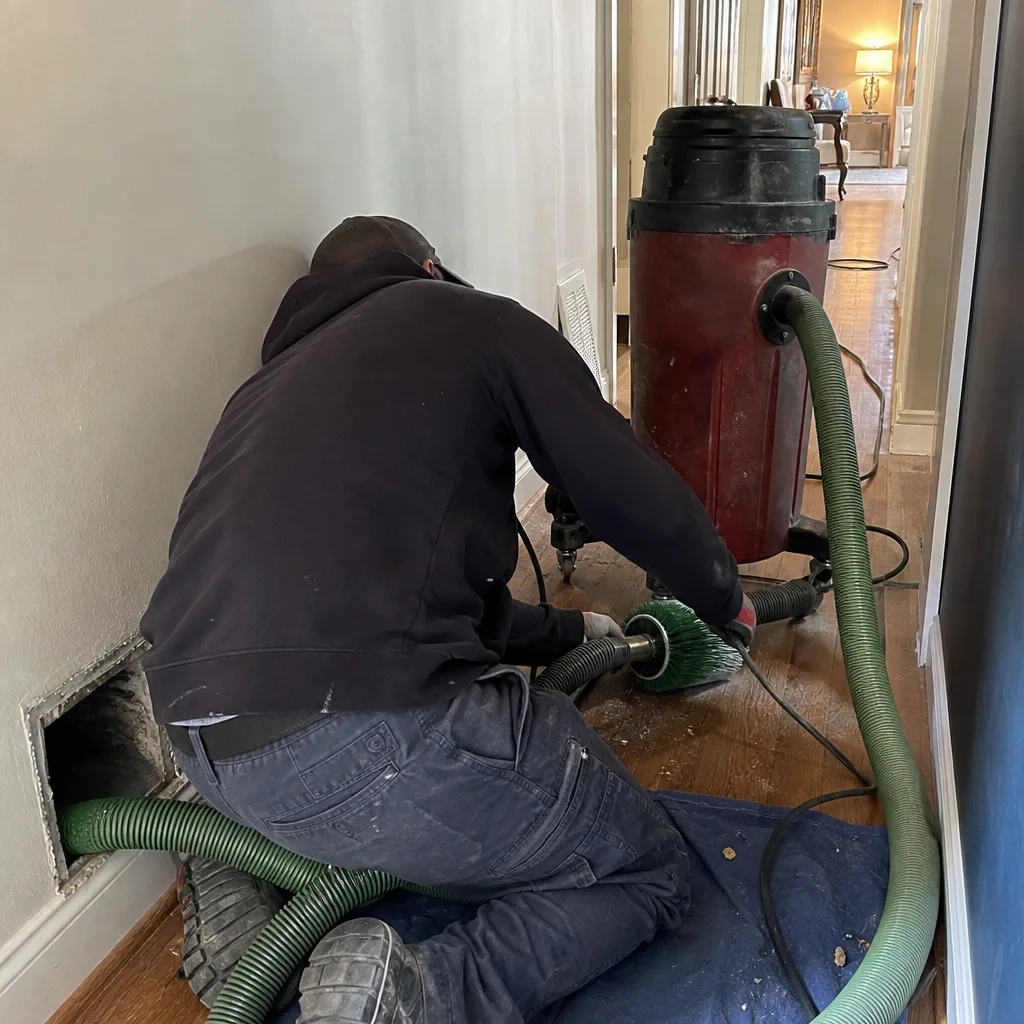
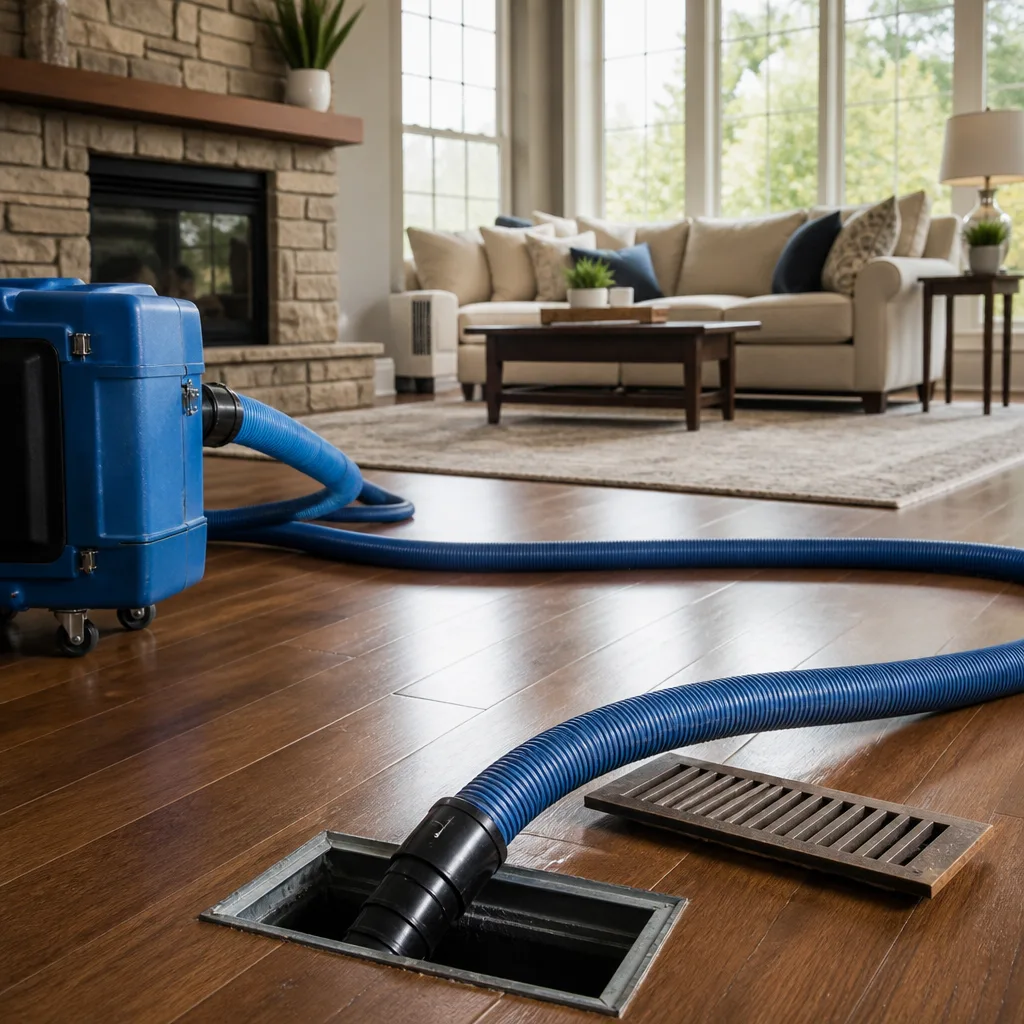 Whole-home duct cleaning
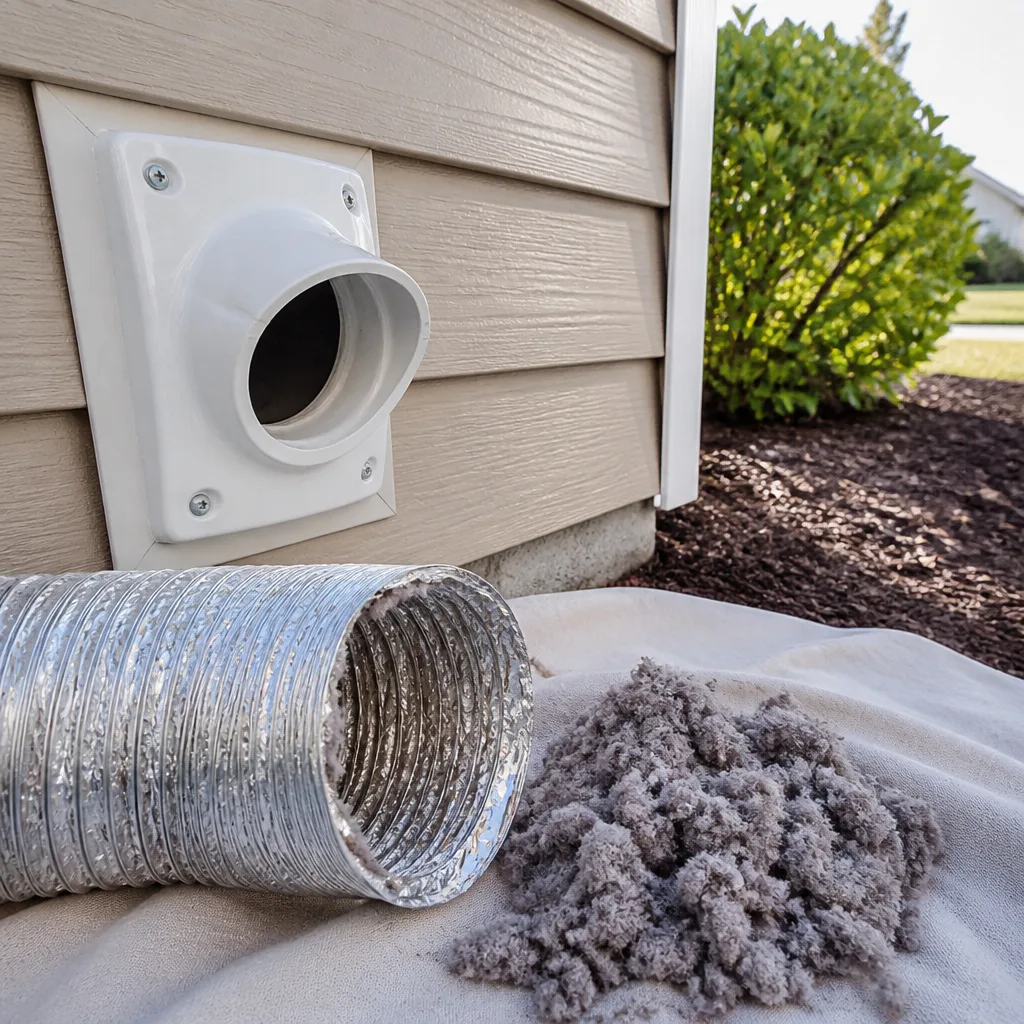 Dryer vent cleaning
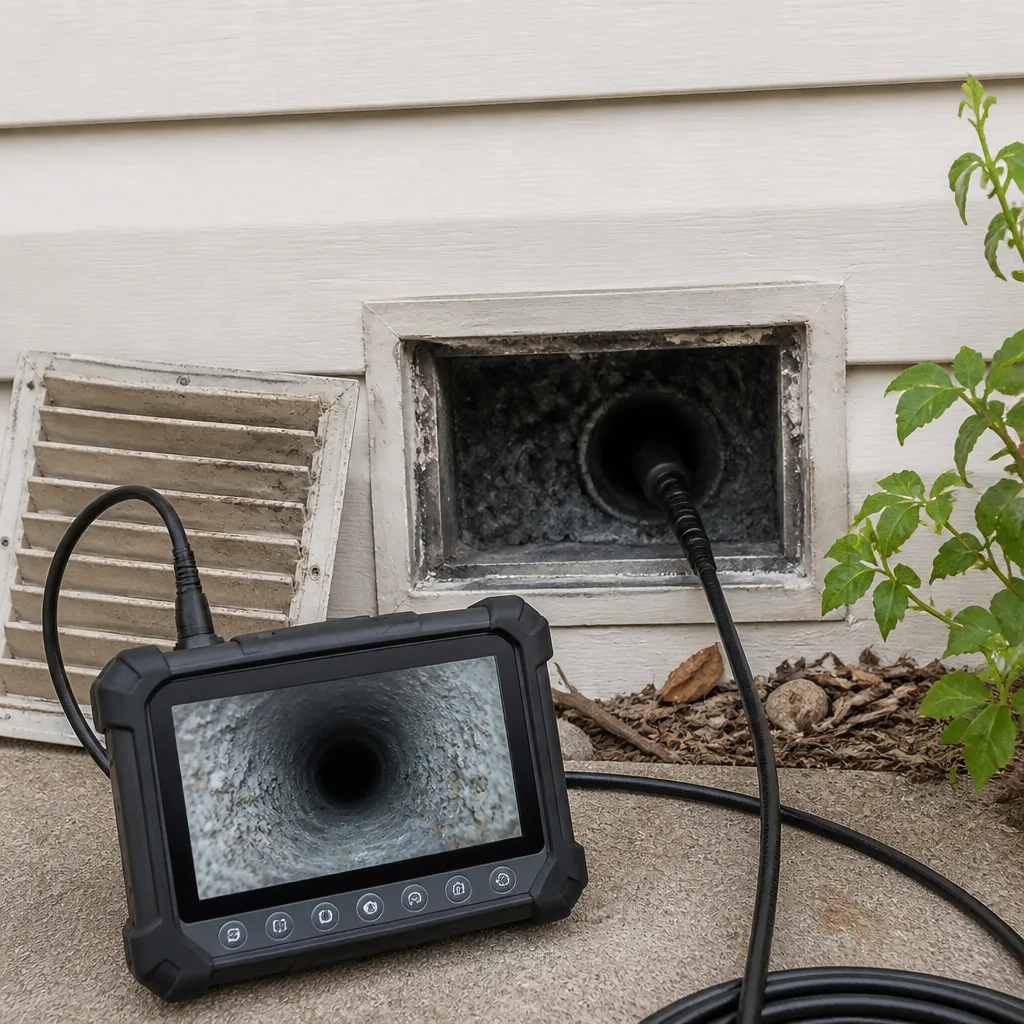 Camera inspection
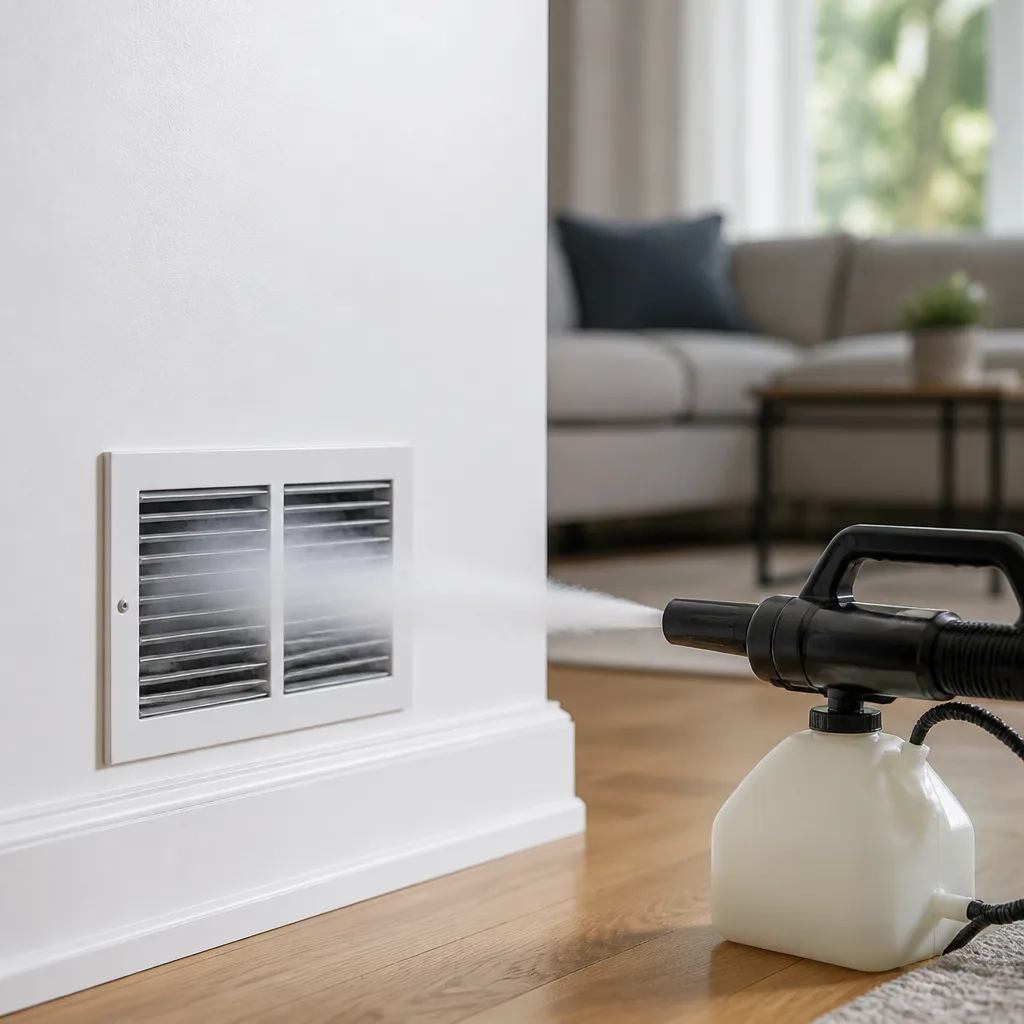 Sanitizing & deodorizing
Whole-system duct and dryer vent check with before-and-after photos - you see exactly what came out of your vents
That "$99 whole-house special" is a bait ad - the real number appears once they are in your hallway, or the "clean" is a shop-vac at the register. We photograph the inside of your ducts before and after instead.
Air Duct Cleaning Warning Signs: A High Point Homeowner’s Reference Guide
Most people who call us about dirty ducts are not actually calling about dirty ducts. They’re calling about allergies that won’t quit, a bedroom that never gets cool, or a smell that shows up every time the heat kicks on. They’ve already tried the things that seem obvious: a stronger filter, another round of antihistamines, a new thermostat setting. The duct system is usually the last place anyone looks, which is exactly why it’s often the right place. This guide walks through the warning signs worth taking seriously in a High Point home, and just as importantly, how to tell a duct problem from the look-alike issues that mimic one.
Quick Answer
Air duct cleaning warning signs in High Point include visible dust rings at supply registers, musty or chemical odors on startup, rooms that won’t reach setpoint while the system runs normally, vermin droppings near grilles, and heavy drywall dust after renovation work. The tricky part is that several of these symptoms look like HVAC, allergy, or housekeeping problems, so confirming the cause before you pay for any fix is the whole game.
Styles & brands we work with
- Whole-home duct cleaning
- Dryer vent cleaning
- Camera inspection
- Sanitizing & deodorizing
Table of Contents
- Dust Rings vs. Black Streaking at Your Registers
- The Smell Diagnostic: Musty, Burning, or Chemical
- Airflow Imbalance and Rooms That Won’t Reach Setpoint
- Vermin Evidence: What It Looks Like and What It Means
- Post-Renovation Warning Signs
- Signs That Point Somewhere Other Than Your Ducts
- How a Duct Inspection Should Actually Go
- When the Fix Is Duct Repair, Not Cleaning
Dust Rings vs. Black Streaking at Your Registers
Start with the registers because that’s where most homeowners notice something first. A grey or black ring of dust around the outside of a supply grille is the classic sign of dust being pushed through the gap between the grille and the drywall, and it usually means the system is losing air around the edges, carrying dust with it. The dust has to come from somewhere, and if the ring appears within a few weeks of a fresh cleaning, the supply is a good candidate for inspection.
Black streaking around the grille edge is a different animal. When you see dark staining that hugs the frame tightly, or discoloration on the ceiling or drywall right next to the register, you may be looking at a filtration bypass. That’s where air moves around the filter rather than through it, pulling unfiltered air into the system and pushing it back out loaded with dust. In a humid High Point summer, that staining sometimes has a slightly damp look to it, and that’s when you want a camera in the ductwork before anyone starts cleaning, because a moisture issue needs to be addressed at the source, not just vacuumed up.
Two rules of thumb we use:
- Loose dust ring, dry and powdery: a cleaning indicator. The ducts and the filter seating are the first things to check.
- Tight black staining, damp, or mold-like speckling: an airflow and moisture indicator. The grille seal and filter fit come first, and the ducts get scoped before anything else happens.
In High Point, the older homes in neighborhoods like Emerywood and Sherrod Park often have register boots that have loosened from the drywall over decades of settling, which makes a bypass more likely on those streets. Newer construction usually seals tighter, but that doesn’t make the ducts clean.
The Smell Diagnostic: Musty, Burning, or Chemical
Smell is the most reliable warning sign you have, and the least understood. The key is that when the smell appears and what it smells like together point to a specific condition in the system.
- Musty odor on startup, fading after a few minutes. This is the classic duct-sourced smell. It usually means moisture is present somewhere in the system: a sweating flex duct, a saturated filter, or a bit of organic material the system has been slowly moving air across. In High Point’s humid summers, this one shows up most often in ductwork that runs through unconditioned attic or crawlspace space.
- Burning or hot-plastic smell. This is not a duct cleaning problem. It indicates an electrical or motor issue in the air handler or a failing blower component. Shut the system down and get a qualified HVAC technician out before running it again.
- Chemical or solvent smell. Fresh paint, new flooring adhesive, or recently applied finishes pulled into the return air. Ducts can hold those odors longer than the room does, but the fix is ventilation and time, not cleaning. If the smell persists weeks later, that changes the answer.
- Smell that’s worse in specific rooms or zones. That pattern points to the branch of ductwork serving that area, not the whole system. It’s also the pattern that frequently accompanies vermin activity.
We hear the musty-smell complaint most in High Point from homes with long return runs through the attic. If you catch a burning smell, treat it as an electrical concern and call for HVAC service. If it’s musty, that’s when professional air duct cleaning is worth scheduling, ideally with a camera check first so you know what’s actually in there.
Airflow Imbalance and Rooms That Won’t Reach Setpoint
Here’s a scenario that plays out every summer in High Point: the upstairs bedroom runs ten degrees warmer than the rest of the house, the thermostat is set correctly, and the system runs and runs without getting there. The instinct is to blame the thermostat or call for a refrigerant recharge. Before either of those, check the room’s supply register. You can do this yourself with a tissue held near the grille.
- Weak airflow at one supply, normal everywhere else. This points to a problem in the branch duct: a collapsed or disconnected flex duct, a damper stuck partly closed, or debris lodged in the run. That’s usually a duct repair job rather than a cleaning job, and it’s a fix that many duct cleaning companies don’t offer.
- Weak airflow at every supply throughout the house. This one is usually a filter or blower issue, or a return path that’s undersized. Cleaning won’t fix a duct system that was designed too small for the house.
- Strong airflow but the air isn’t cold. The ducts are moving air. The cooling issue is at the equipment, not the ductwork.
- Airflow cycles between strong and weak as the system runs. A partially collapsed flex duct can shift with pressure changes. Worth a camera inspection.
This is the single most common misdiagnosis we run into. Homeowners spend money on thermostat replacements and service calls when the branch duct above the ceiling has been pinched or disconnected for years. A camera inspection of the ductwork answers the question in minutes and costs far less than a wrong repair.
Vermin Evidence: What It Looks Like and What It Means
This section isn’t pleasant to write or pleasant to read, but it’s the one most homeowners miss entirely, and in High Point it’s a real problem. The region’s mix of older homes, dense tree cover, and mild winters makes crawlspaces and attics attractive to rodents, and a duct system that runs through either space gives them direct access if there’s a break, a disconnected joint, or an unsealed boot.
Look for these patterns:
- Droppings near supply or return registers inside the home, especially in closets, garages, or utility areas where the ductwork transitions.
- Insulation debris in the grilles: fiberglass chunks or shredded paper-like material stuck to the grille face or lying on the floor beneath it. That material doesn’t come from nowhere, and it usually means a duct has been compromised.
- Odors that worsen in specific zones or at specific times: the smell pattern that tracks a single branch of ductwork is often a vermin signature.
- Scratching or rustling sounds from the walls or ceilings when the system is off. If the system is on, the noise is harder to isolate, but the pattern still matters.
If you find any of these, don’t just clean the ducts and call it done. Cleaning a duct system that has active vermin access is a temporary fix, and the problem returns quickly. The order is: seal the entry points, repair the ductwork, then clean. Our technicians have up to experience in High Point ductwork, and we’ve seen enough of these to know the sequence matters more than the cleaning itself.
Post-Renovation Warning Signs
Any remodeling project produces dust far beyond what a shop vac can reach, and the return air doesn’t care that the work was in one room. Drywall dust, insulation fibers, and sawdust all get pulled through the system and settle in the ductwork. The warning signs look different from ordinary dust, though, and identifying them correctly tells you whether the ducts need cleaning or just the room does.
- White, chalky dust at every register. Drywall dust is unmistakable: fine, white, and it coats everything. When it appears at registers throughout the house rather than just the remodeled area, the system has been carrying it.
- Pink or yellow fibrous material in the grille faces. That’s insulation fiber from attic or wall work, and it’s a sign that the duct system was open to the construction space.
- Visible debris inside the return grille, like wood chips or bits of plastic. Those don’t travel far through a filter.
- Dust reappearing immediately after cleaning a room. If you dust the living room today and it’s back in three days, the source is upstream in the system.
Post-renovation is one of the clearest cases for camera confirmation before cleaning. The type of debris determines the cleaning approach: drywall dust, insulation fibers, and construction debris call for different equipment and different containment. Abatement Technologies filtration and negative air pressure equipment exist for exactly this reason, and a professional-grade setup handles it in ways a consumer shop vac can’t.
Signs That Point Somewhere Other Than Your Ducts
This is where the guide earns its keep. Several common complaints look like duct issues and aren’t, and chasing the wrong fix wastes money. Here’s how to separate the look-alikes.
- Dust on furniture throughout the house, no duct symptoms. Likely a filtration issue (wrong filter, no filtration bypass check) or a leak in the envelope. Start with the filter and a careful look at grille fit. Duct cleaning only helps if the ducts themselves are dirty.
- Allergy symptoms in one specific season. Seasonal allergies in High Point line up with the local pollen calendar more reliably than with the duct system. A duct cleaning can help a home with genuine accumulation, but it won’t solve a seasonal reaction issue on its own. If symptoms disappear when the person is away from home, the home itself is the variable worth investigating.
- A persistent cough or respiratory irritation with no other symptoms. Environmental testing first, cleaning second. If there’s a moisture or mold situation in the ductwork, testing and remediation need to come before any cleaning. Our dryer vent cleaning work is separate from this, but the same principle applies: find the source, then fix.
- High energy bills with normal airflow at the registers. Usually equipment efficiency or envelope leakage. Duct cleaning helps efficiency when the ducts are restricted or leaking, but not when they’re just dirty and moving air fine.
- Flickering lights when the HVAC starts. Electrical. Different problem entirely.
The pattern to watch for is combinations. A single symptom is rarely conclusive. Dust rings plus a musty smell plus an airflow imbalance in one zone is a different picture than any one of those alone, and that combination is the one that justifies a professional inspection.
How a Duct Inspection Should Actually Go
Before you hire anyone, understand what a real inspection looks like. The warning signs above tell you there’s a question. The inspection answers it. Here’s what we consider a proper sequence, and what you should be able to ask any contractor about.
- Ask about the equipment. A serious duct inspection and cleaning uses a camera, a high-volume vacuum system, and tools that reach the full length of the ductwork. Consumer-grade vacuums and shop vacs don’t do the job. We use Rotobrush air duct cleaning systems and Nikro equipment, both of which are the standard for professional indoor air quality contractors.
- Ask about containment. Especially if there’s any sign of mold, rodent activity, or heavy debris, the cleaning needs negative air pressure to keep contamination from redistributing into the living space. Abatement Technologies equipment is designed for that.
- Ask to see the camera view before work starts. If nobody has scoped the ductwork, nobody knows whether it’s a cleaning problem, a repair problem, or a moisture problem. “We show you what we find” is the standard we hold ourselves to, and it’s the single best question to ask any contractor.
- Ask about the repair capability. If the inspection turns up a collapsed flex duct, a disconnected joint, or a boot that’s pulled loose from the drywall, you’re looking at air duct repair, not cleaning. A cleaning company that can’t do the repair leaves you with a clean but broken system.
- Ask what happens afterward. IAQ upgrades like a Honeywell or Aprilaire filtration system make sense if the problem recurs. Cleaning without filtration improvement tends to be a repeat customer for the wrong reason.
Ask for before-and-after photos of the ductwork, not just the register faces. If a contractor can’t produce those, the work is unverified, no matter what they tell you.
Warning Signs Specific to High Point Homes
Every housing market has its own patterns, and some warning signs are more common in certain High Point neighborhoods than in others. We work across the city and see these repeatedly.
Attic ductwork in older neighborhoods. High Point’s older homes were sometimes retrofitted with attic-mounted flex duct, and those runs are more vulnerable to moisture condensation in summer and vermin activity in winter. Homes in neighborhoods like Uwharrie and Oakview often have long attic runs feeding second-floor registers, and the airflow imbalance complaint is more common in those layouts.
Renovation-heavy blocks. The city’s renovation activity means a good number of homes are doing post-renovation duct cleaning right now. If you’ve done any remodeling in the past year, drywall dust and insulation fiber in the ductwork is a real possibility worth checking.
Crawlspace construction. The older housing stock in High Point includes homes with crawlspaces, and duct runs that pass through crawlspace areas sometimes have loose or damaged insulation that pulls into the air stream. White or gray fiber debris in the return grille is a common sign.
High pollen seasons. The Piedmont pollen calendar is heavy in spring. A well-sealed home doesn’t take much pollen into the duct system, but if airflow patterns suggest a bypass, the ducts can accumulate pollen along with other debris over a season.
If you’re in an area of High Point we haven’t named, none of this changes the fundamentals. The warning signs work the same way anywhere in the city.
When the Fix Is Duct Repair, Not Cleaning
This is the distinction that saves homeowners the most money, so we’ll be direct about it. Duct cleaning removes accumulated debris. Duct repair corrects structural failures: collapsed flex duct, disconnected joints, pulled boots, crushed rigid duct, and vermin-entry points. A dirty duct needs cleaning. A broken duct needs repair. If both are true, you need both, and in that order of diagnosis.
Signs that repair is the priority:
- Airflow at one register that’s dramatically weaker than the others, without a corresponding dirt pattern.
- Visible gaps at the duct joints where you can reach them, especially at the air handler or in the attic.
- Insulation debris in the grilles, which usually indicates a compromised duct.
- Dust appearing in a room immediately after cleaning, suggesting a leak path.
Air duct repair as a standalone service is unusual in the duct cleaning trade. Many companies clean and go. When the inspection turns up a collapsed flex duct or a pulled boot, treating the repair as a separate follow-up leaves the homeowner coordinating two contractors and then paying for a second cleaning after the repair is done. We handle repair as a full service so the sequence stays under one roof, scheduled correctly.
Common Mistakes to Avoid
- Booking cleaning without a camera check. If you don’t know what’s in the ducts, you don’t know what kind of cleaning is appropriate. Ask to see the scope view first, and skip anyone who can’t produce one.
- Hiring on price alone. The low bid on duct cleaning is usually a low bid because the work is less thorough, not because it’s a bargain. Ask what equipment is used and whether the technician will show before-and-after photos, and let the answers drive the decision.
- Replacing the thermostat to fix weak airflow. A thermostat reads and calls for temperature. It doesn’t push air. Weak airflow at one supply is almost always a duct issue, not a control issue, and diagnosing it as a control issue costs you money for a problem you didn’t fix.
- Cleaning when the ducts are broken. Cleaning a duct system with a disconnected flex run is a temporary fix. The debris returns because the leak path remains. Repair first, then clean.
- Ignoring the dryer vent. The dryer vent is part of the home’s air system, and a clogged one is a fire hazard, not just an efficiency issue. Treat it as a separate service and schedule it on its own schedule. Duct Cleaning High Point offers dedicated dryer vent cleaning, but keep it distinct from the air duct work.
- Trusting a chemical smell to clear on its own after renovations. Some odors do clear. A solvent or adhesive smell that persists weeks after the work is done usually means the ducts are holding it and need attention.
- Assuming the smell will improve with cleaning if the AC equipment is the problem. A burning smell from the ducts is an HVAC call, not a duct cleaning call. Start with the equipment diagnosis so you don’t pay for cleaning that doesn’t address the source.
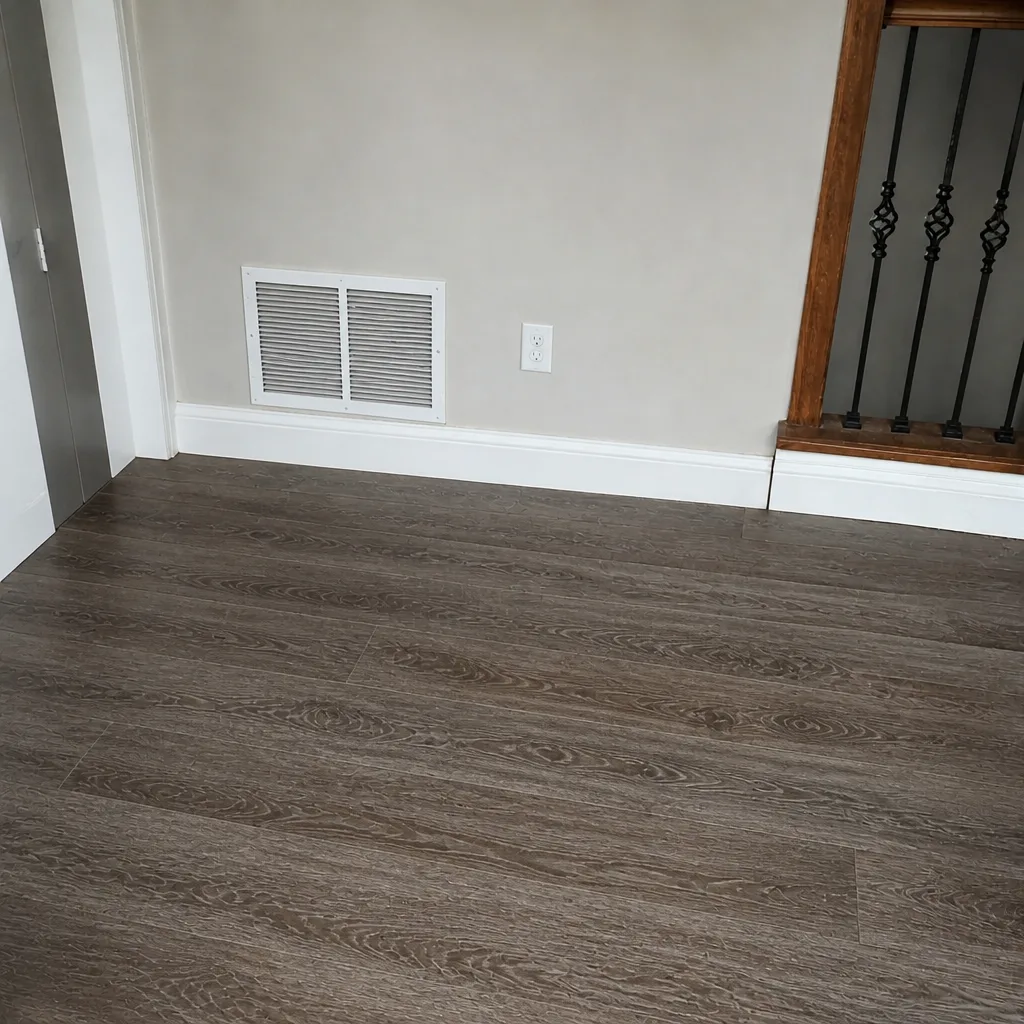
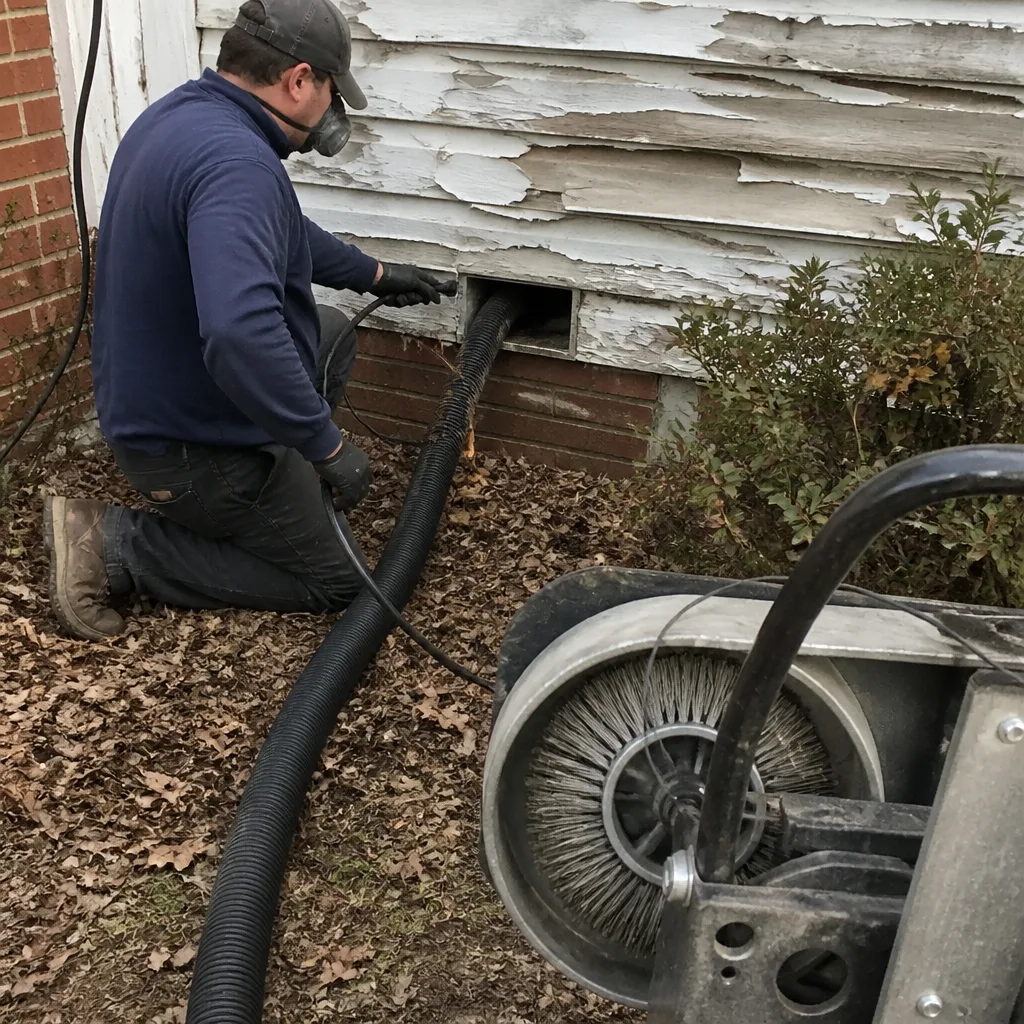
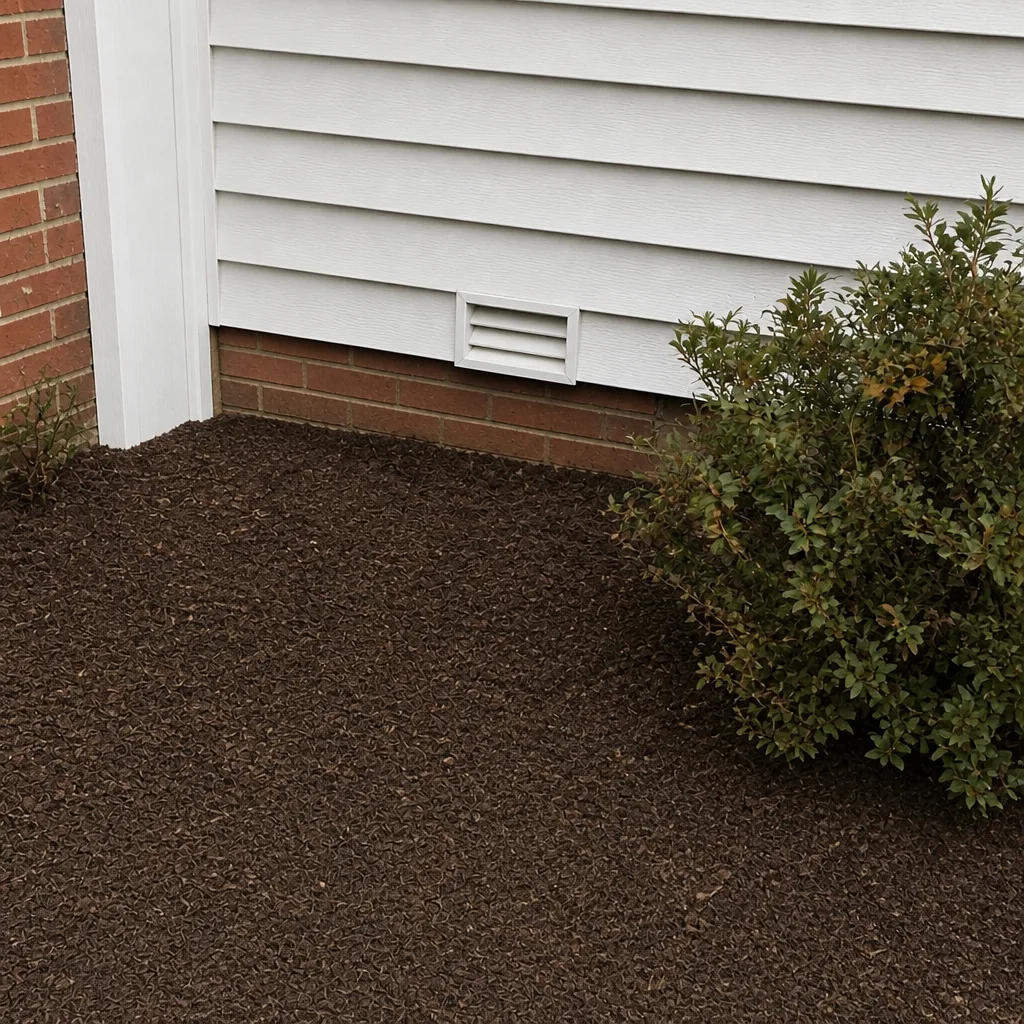
See the difference
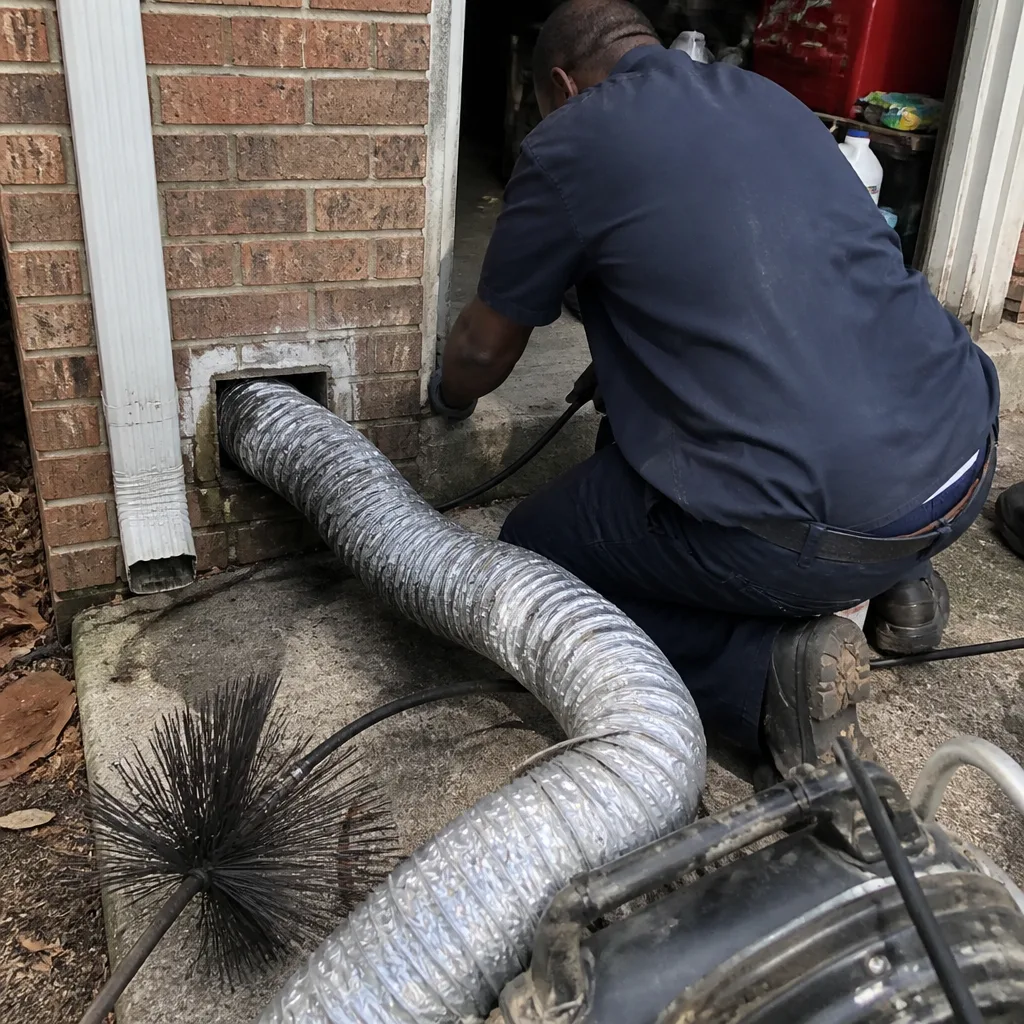 Before
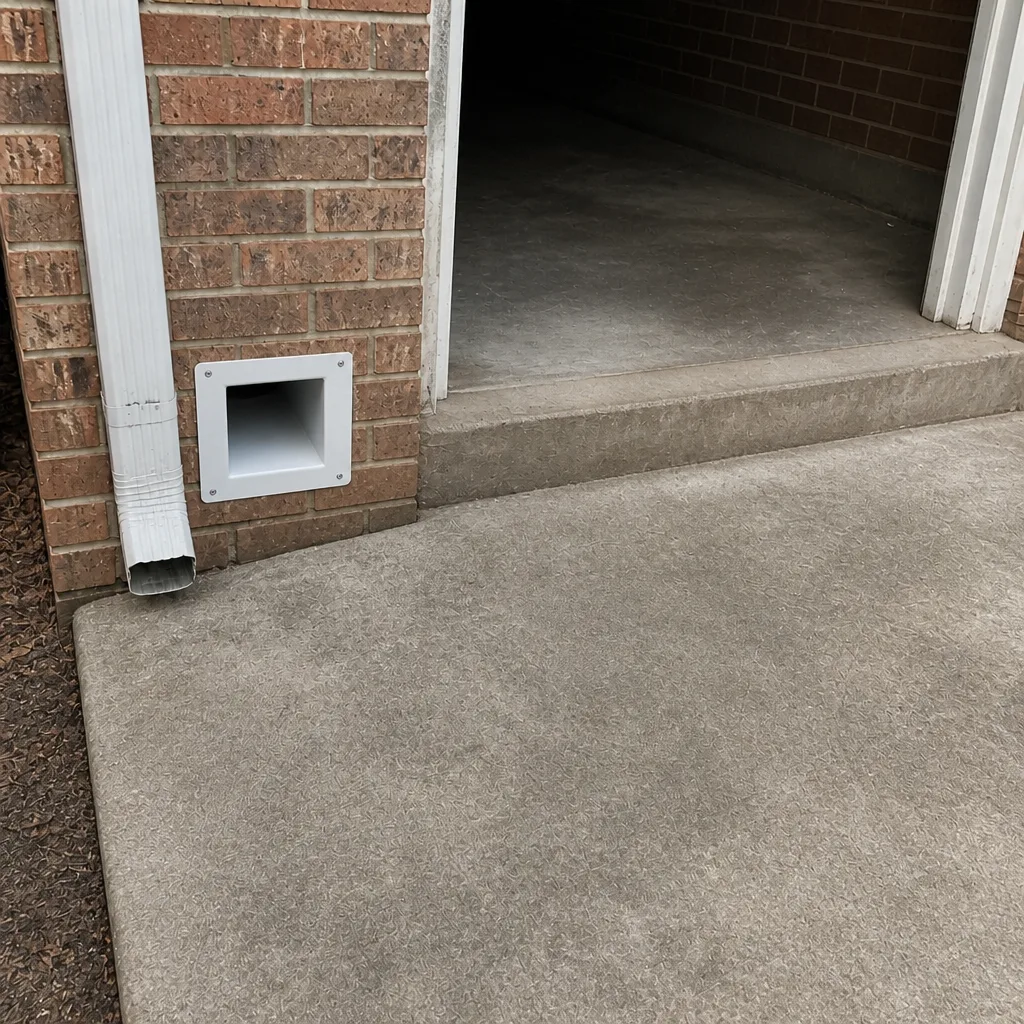 After
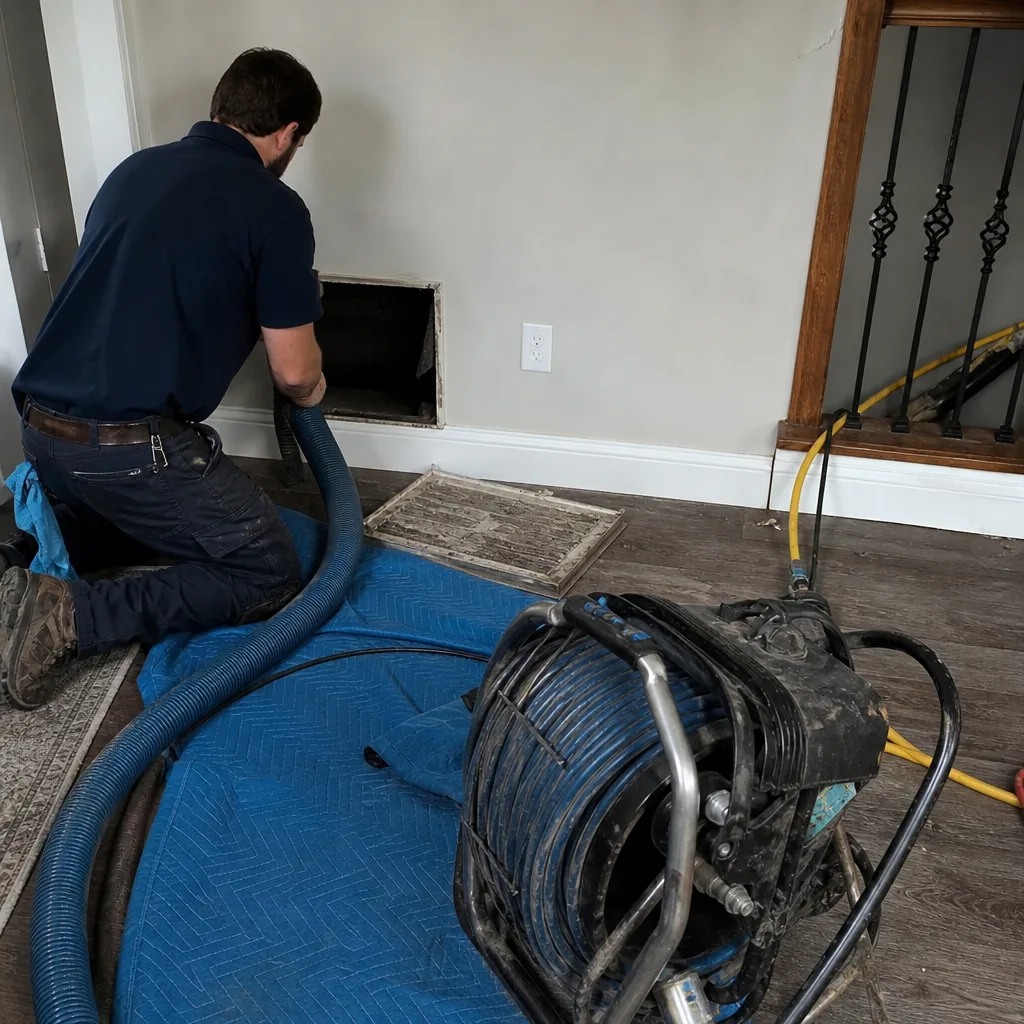 Before
 After
 Before
 After
When to Call a Professional
If you’ve worked through the warning signs above and can check two or more, a professional inspection is the right next step. Specific triggers: visible dust rings plus a musty smell on startup. Weak airflow at one room while the rest of the house is fine. Insulation debris or droppings near registers. A recent renovation with white dust showing up at registers across the house. A chemical or solvent smell that hasn’t cleared after a few weeks. Musty odor in a home with attic ductwork during humid weather. Any of these justify an inspection, and an inspection is not the same as booking a cleaning.
Duct Cleaning High Point offers free estimates in High Point and the surrounding area, and we scope before we quote so the estimate reflects what’s actually in your ducts. Call (888) 804-6957. We answer 24/7. Fast dispatch from 7am to 7pm, Sunday through Friday.
Frequently Asked Questions
You know if you can check two or more of the guide’s warning signs together: dust rings at registers plus a musty smell on startup, or an airflow imbalance in one room plus insulation debris in the grille. A single symptom is rarely conclusive, so when in doubt, an inspection with a camera answers the question directly. Call (888) 804-6957 for a free estimate. We answer 24/7. Fast dispatch from 7am to 7pm, Sunday through Friday.
Yes, if there’s a specific reason to clean: post-renovation debris, vermin evidence, moisture issues, or restricted airflow from debris accumulation. If none of those apply, the case for cleaning is weaker, and we’d rather tell you that than sell you a cleaning that doesn’t do much. The condition of the ducts, not the presence or absence of allergy symptoms, is what determines whether cleaning is worth it.
We quote per system after inspecting the ductwork, so the written estimate is the price, not a teaser that changes on-site. We don’t quote per vent, because vent count doesn’t reflect the condition of the ducts or the type of debris present. Call (888) 804-6957 for an exact quote based on your home’s duct system. Estimates are free.
Cheap quotes often reflect equipment, training, and thoroughness rather than efficiency. A one-man vacuum-and-go operation, a camera check that’s never performed, no before-and-after photos, and no containment for contamination all cost the contractor less, and you get less for it. Ask any contractor which equipment they use, whether they’ll show you the camera view, and whether you’ll get photos of the ductwork. If the answers are vague, the price isn’t a bargain.
Probably, and specifically a branch-duct problem rather than a system-wide one. A collapsed flex duct, a disconnected run, or a damper stuck partly closed produces exactly that pattern: a functioning system that keeps one room warm. A thermostat or refrigerant issue would affect the whole house. Ask for a camera inspection of the branch duct serving the hot room before paying for any HVAC repair.
Often yes, especially if you can see drywall dust or insulation fiber at registers across the house rather than just in the remodeled room. Drywall dust is fine enough to travel through the system and settle in ductwork; insulation fiber is a sign the ductwork was open to the construction space. Schedule an inspection first, then cleaning if the camera confirms the debris is in the ducts.
The Bottom Line
Most duct cleaning warning signs point to a real condition inside the system, but they don’t all point to the same one. Dust rings and musty smells point to one pattern. Airflow imbalance points to another. Vermin evidence points to a third. The single most valuable step you can take is a camera inspection before anyone touches a vacuum. That step costs you a phone call, saves you the wrong repair, and confirms whether the work you’re about to pay for is cleaning or repair. Our technicians have up to experience in High Point ductwork, and we’re set up for both. For a free estimate, Duct Cleaning High Point is reachable at (888) 804-6957. We answer 24/7. Fast dispatch from 7am to 7pm, Sunday through Friday.
Written by the team at Duct Cleaning High Point.