
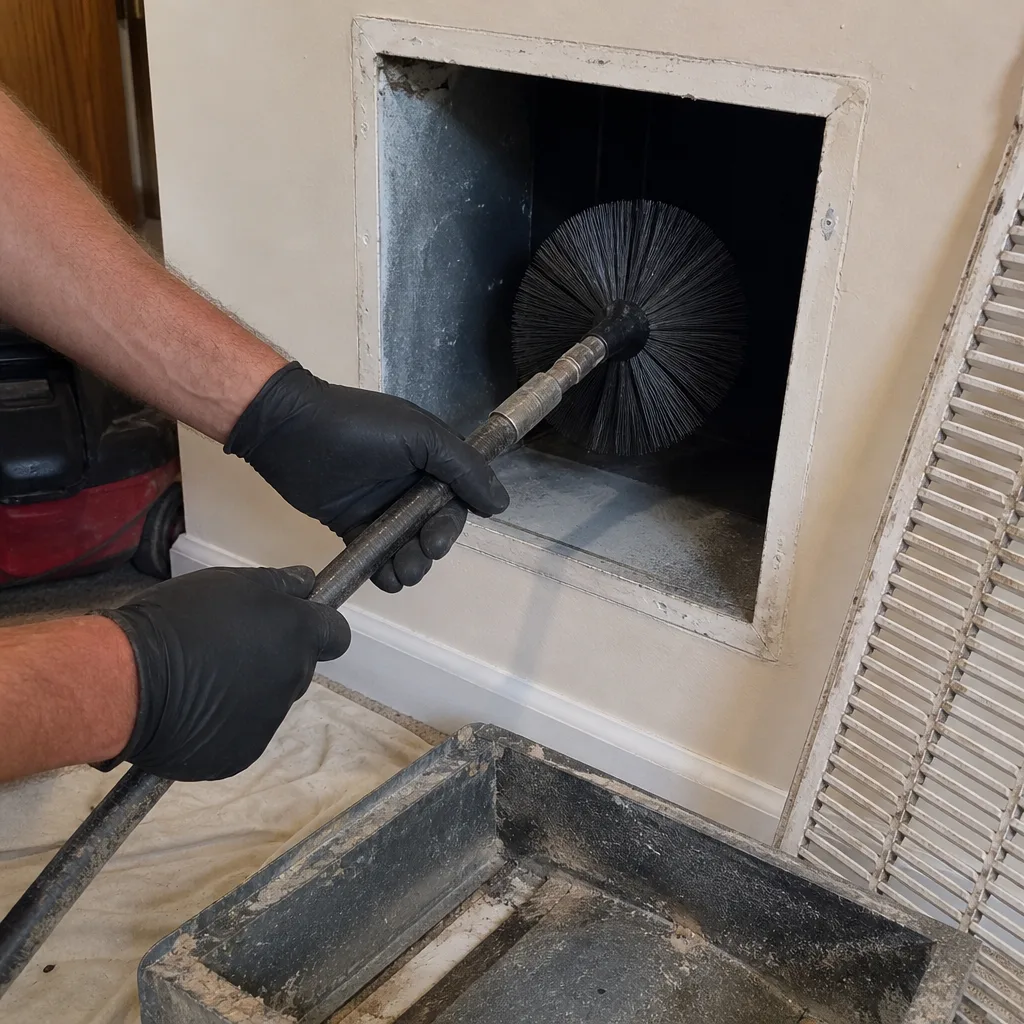
Last updated November 15, 2026
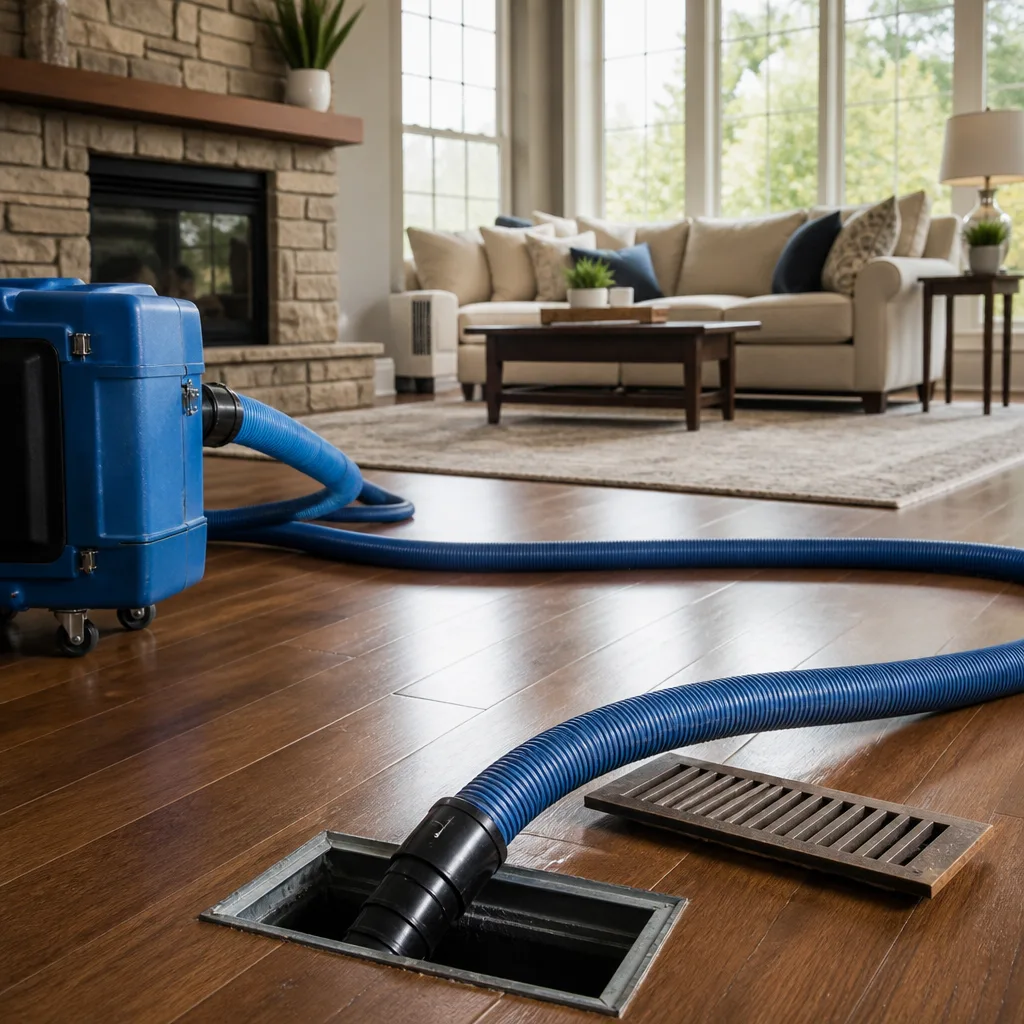 Whole-home duct cleaning
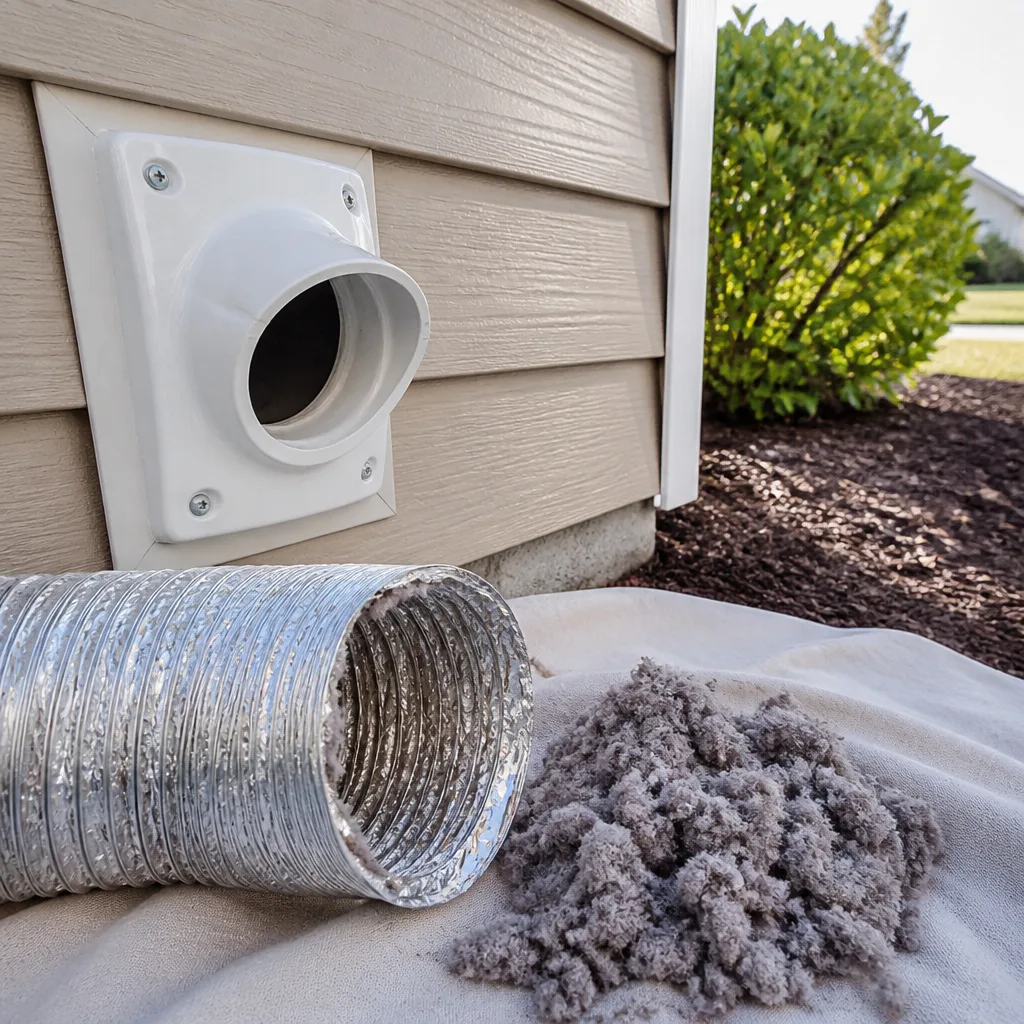 Dryer vent cleaning
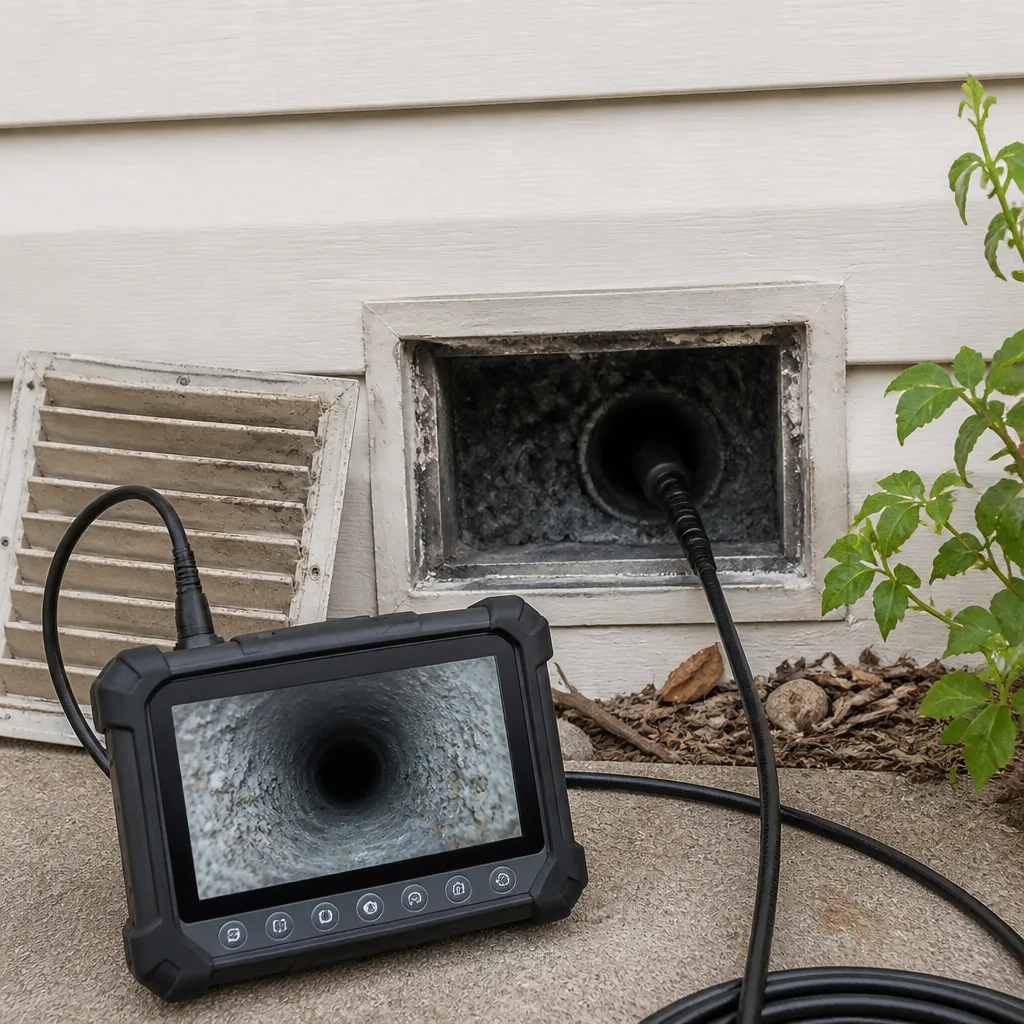 Camera inspection
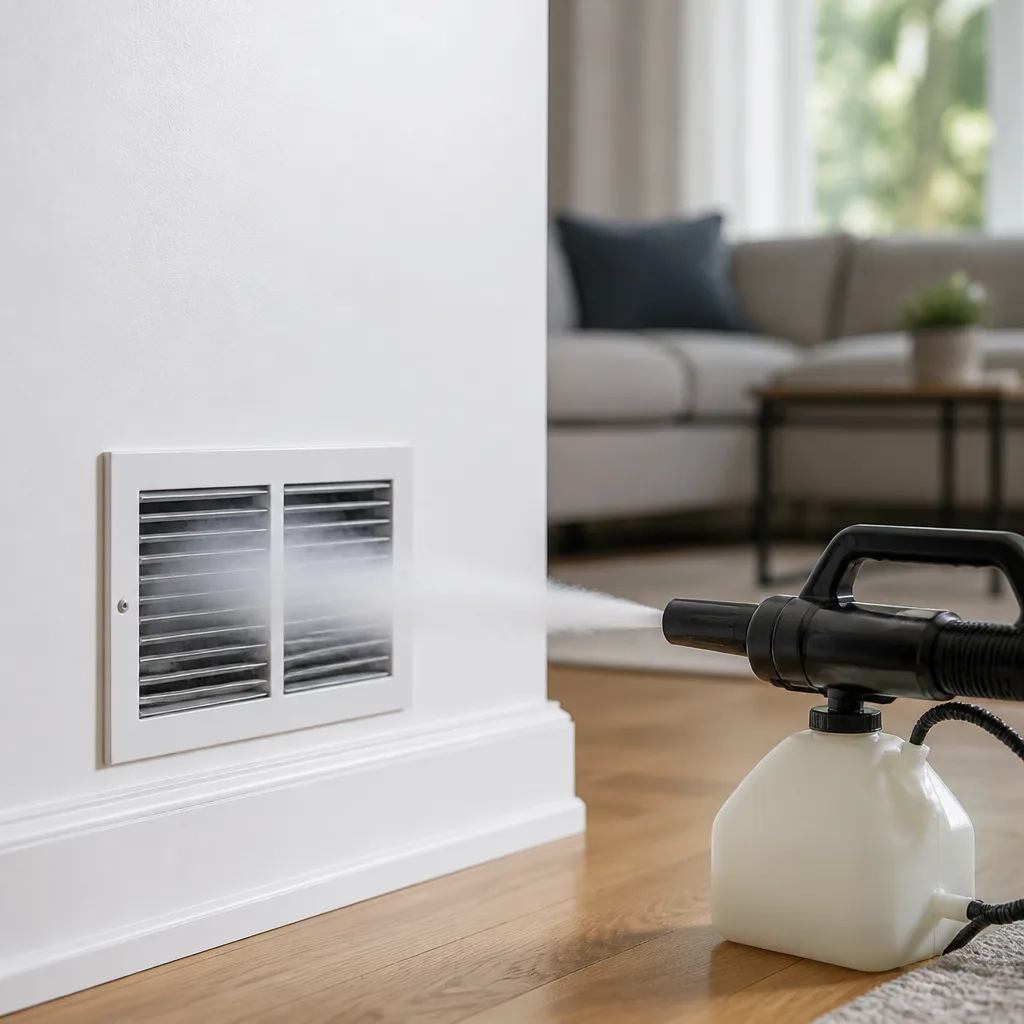 Sanitizing & deodorizing
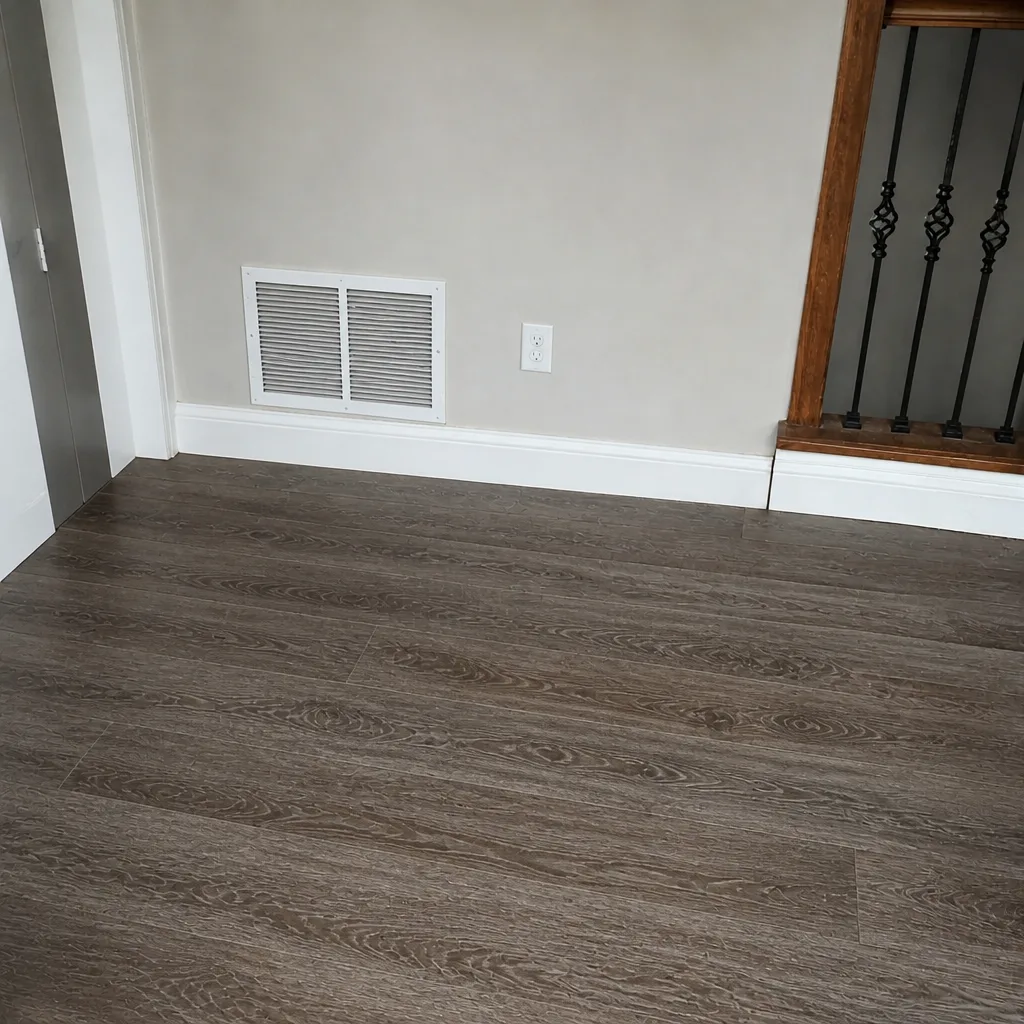
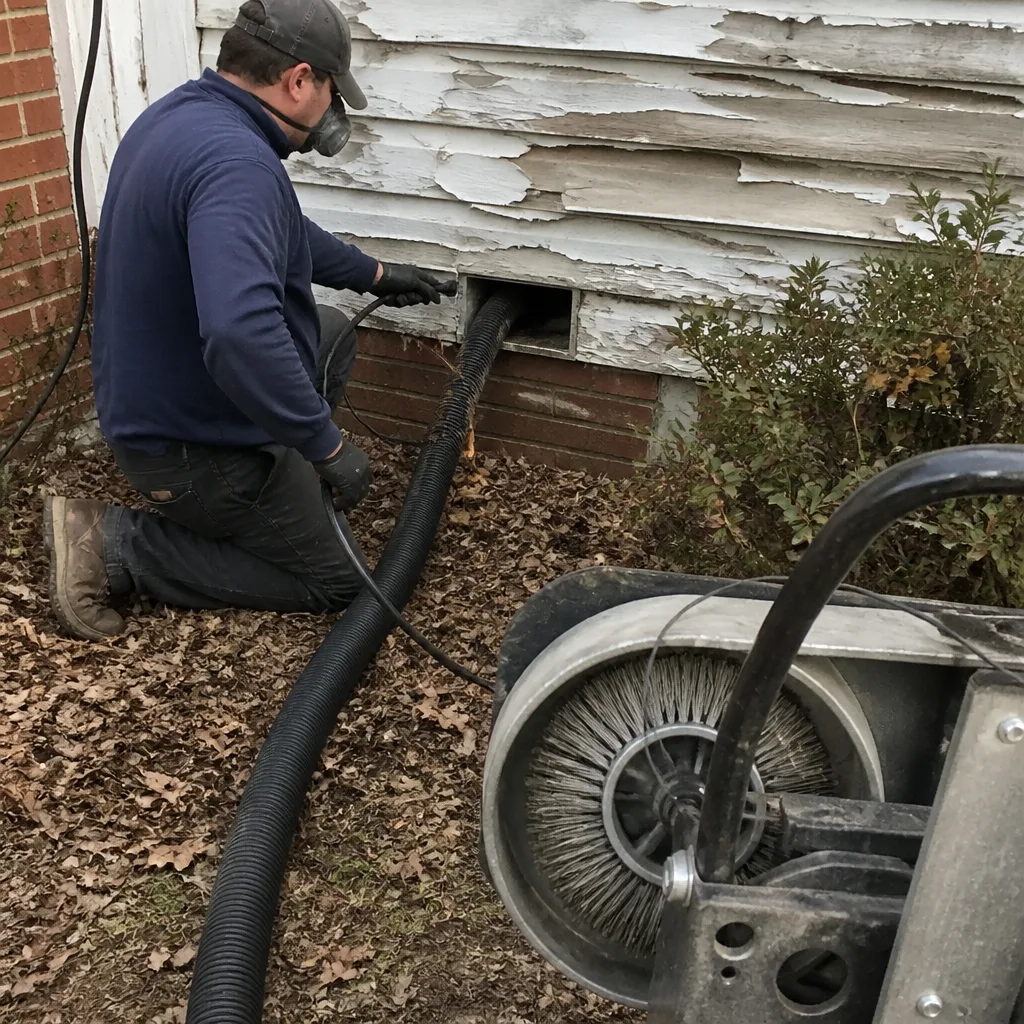
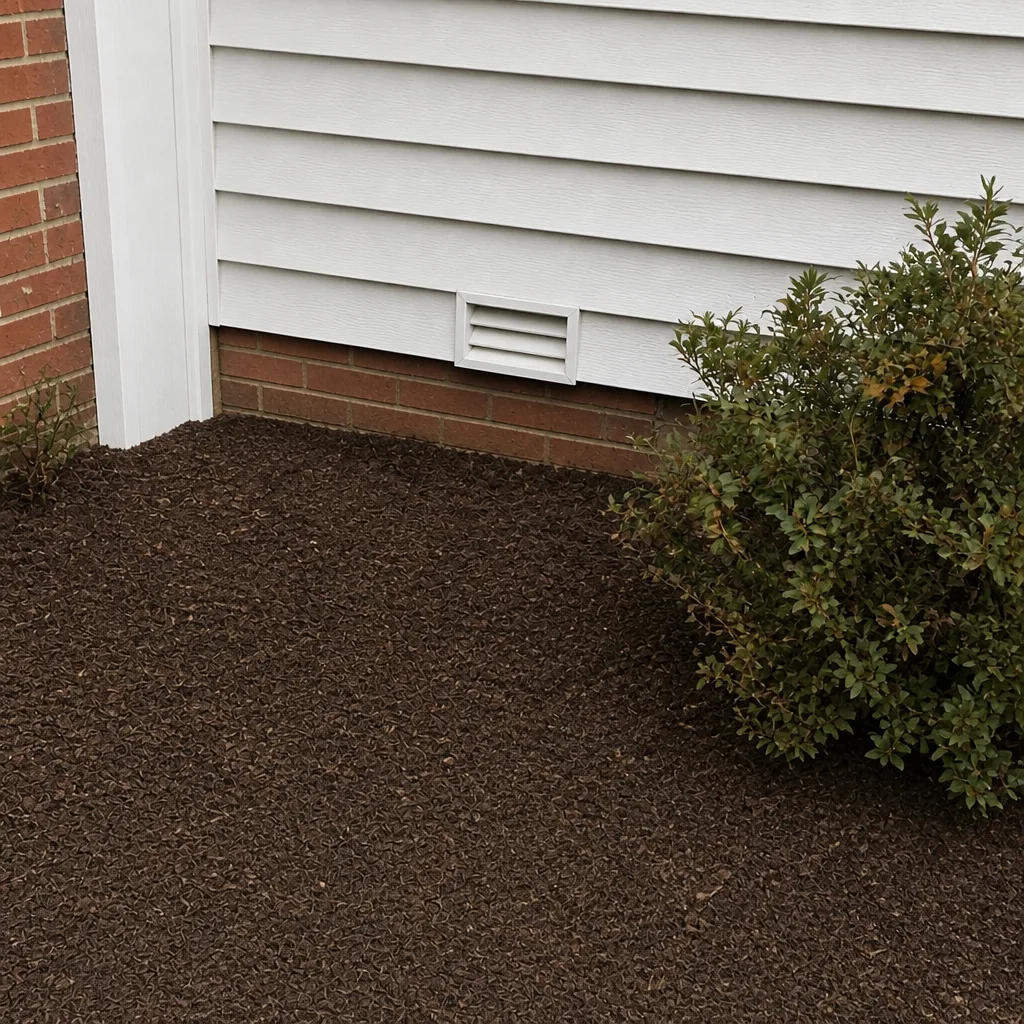
Whole-system duct and dryer vent check with before-and-after photos - you see exactly what came out of your vents
That "$99 whole-house special" is a bait ad - the real number appears once they are in your hallway, or the "clean" is a shop-vac at the register. We photograph the inside of your ducts before and after instead.
DIY vs Professional Air Duct Cleaning: The High Point Homeowner’s Decision Guide
Most homeowners asking whether they can clean their own ducts are perfectly capable people. They’ve watched the videos, they’ve seen the brush kits at the hardware store, and they’re wondering why anyone would pay for something that looks like sweeping. Here’s the part the videos skip: a consumer drill-brush kit spins at roughly 400 RPM against a Rotobrush system running around 500 RPM while pulling a HEPA vacuum at the same time. That difference isn’t about brand prestige. It’s about whether the debris you loosen gets captured or blown back into your living room. This guide walks through the equipment gap, the genuine DIY scope, and the situations where DIY stops being a project and starts being a problem, written from our experience working on High Point homes.
Quick Answer
Consumer equipment can handle surface work on registers and grilles, but it cannot reach deep branches, agitate caked debris, or contain what it loosens. Professional cleaning uses rotary agitation with simultaneous negative-pressure HEPA extraction, which is the difference between removing debris and redistributing it. If your system shows mold, pest evidence, smoke residue, or damaged flex duct, DIY is the wrong call and professional remediation is the right one.
Styles & brands we work with
- Whole-home duct cleaning
- Dryer vent cleaning
- Camera inspection
- Sanitizing & deodorizing
Table of Contents
- The Equipment Gap: What Consumer Tools Actually Do
- What You Can Genuinely Clean Yourself
- The Aerosolization Risk Nobody Warns You About
- When DIY Is Clearly the Wrong Call
- A Cost-Honest Comparison
- How Professional Cleaning Actually Works, Step by Step
- High Point Context: Climate, Housing, and HVAC
- What Equipment to Look For When You Hire
The Equipment Gap: What Consumer Tools Actually Do
The gap isn’t a matter of degree. It’s a matter of category. Consumer kits and professional systems are built to do different jobs, and understanding the specs is the fastest way to see whether DIY fits your situation.
Here’s where the three metrics that matter land:
- Reach. A dryer vent brush on a flexible rod reaches roughly 10 to 15 feet before friction and bend radius stop it. A rotary duct whip on a powered cable feeds 35 feet or more into a trunk line and can navigate elbows. Most homes in High Point have trunk runs longer than a consumer kit can reach, meaning the deepest sections never get touched.
- Agitation RPM. Consumer drill brushes spin at around 400 RPM. Rotobrush systems we run operate in the 500 RPM range with simultaneous extraction. Higher RPM with a controlled brush head breaks up the bonded dust film that clings to duct walls. A slower brush slides over that film and leaves it in place.
- Negative-pressure CFM. A shop vac with a hose extension loses most of its pull once it’s connected to 20 feet of duct. Professional HEPA extractors maintain meaningful airflow at the register and create negative pressure inside the system, so loosened material moves toward the vacuum, not into the room. Abatement Technologies negative air equipment takes this further by holding containment during the work.
The combination is what matters. Agitation without capture just moves dust. Capture without agitation leaves the bonded layer behind. Professional systems do both at once, which is why the equipment exists in the first place. If you want to see where this fits into the full scope of air duct cleaning work, that’s the page that lays it out.
What You Can Genuinely Clean Yourself
We’re not going to tell you to leave every screwdriver on the shelf. There’s real DIY scope here, and handling the accessible parts keeps the system cleaner between professional visits.
What a careful homeowner can do:
- Register covers and supply grilles. Pop them off with a screwdriver, wash them in a utility sink with mild soap, and let them dry fully before replacing. This is easy, safe, and it does help.
- Return air grille faces. The large grille on your central return collects household dust faster than any other duct surface because it’s the intake for the whole system. Wiping the face and the frame monthly cuts down on what gets pulled inside.
- Accessible return box edges. Where the return box meets the ceiling or wall, dust gathers on the lip. A damp cloth on the visible edges is fine as long as you don’t push material into the opening.
- Filter changes. Not glamorous, but it’s the single highest-impact air quality step a homeowner takes. Match the MERV rating to what your system was designed for, not the highest rating on the shelf.
What stops being DIY once you go past the grille: anything behind a register boot, inside the trunk line, inside branches that feed second-floor rooms, and anything blocked by flex duct bends. The rule of thumb is simple. If you can’t see it and you can’t reach it with your hand, you can’t clean it without equipment that reaches.
The Aerosolization Risk Nobody Warns You About
This is the part that changes the decision for a lot of High Point homeowners. When you agitate dust inside a duct without containment, some of it becomes airborne. That airborne material has to go somewhere. Without negative pressure holding it inside the system and pulling it toward a HEPA filter, it comes out into the room through the registers, the return, and every gap in the ductwork.
The problem is that this happens at exactly the moment the homeowner believes they’re making the air cleaner. The result is often a room that feels worse for a few hours, followed by dust settling on every surface. On systems with mold spores or pest debris present, the risk is more serious than dust settling.
What containment looks like on the professional side:
- Register sealing. Supply and return registers are taped or covered so the system stays closed while work happens.
- Negative air machines. Equipment like Abatement Technologies units hold the working area under negative pressure, so air flows into the containment rather than out of it.
- HEPA filtration. Air pulled from the system passes through HEPA filtration before it goes anywhere else, capturing particles down to the range that matters for respiratory exposure.
- Before-and-after visibility. We photograph what’s inside the duct before we start and after we finish. It’s the only honest way to show what actually came out.
If you’re already dealing with allergy symptoms or a family member with respiratory sensitivity, this section alone should tip the decision. Agitating without containment is a real hazard, and it’s the most common reason a DIY job makes things worse.
When DIY Is Clearly the Wrong Call
There are conditions where a homeowner should stop researching and call. These aren’t marketing scare scenarios. Each one changes what the job is, and none of them get better with a consumer brush kit.
- Visible mold inside ductwork or on the air handler. Mold growth means moisture is present somewhere, and cleaning without finding the source just resets the clock. The work becomes inspection, moisture source identification, treatment, and possibly air duct repair if the insulation is saturated.
- Vermin evidence. Droppings, nesting material, or a smell that suggests rodents or birds have been in the system. This is contamination work, not dust work, and it requires containment and disposal protocols a homeowner can’t replicate.
- Post-fire smoke residue. Smoke residue clings to duct walls as an oily film that holds odor. Cleaning it takes chemical treatment and proper containment. Disturbing it without capture spreads the odor through the house.
- Damaged or collapsed flex duct. If a run has kinked, torn, or separated at a joint, cleaning can’t fix it. Repair or replacement is the answer. The best duct cleaning in the world can’t push air through a crushed section, and pushing a brush into damaged flex can make the tear worse.
- Recent renovation debris. Drywall dust, sawdust, and construction particulate settle deep in the system and pull moisture out of the air. Cleaning after a major remodel is standard practice, and it’s not a homeowner job.
In any of these situations the question isn’t DIY versus professional. It’s which professional, and how quickly. Our technicians have up to experience and we’d rather walk you through what we’re seeing on a free estimate than have you guess at it.
A Cost-Honest Comparison
The cost conversation usually starts with the price of a brush kit and stops there. That’s not a complete comparison. A realistic accounting includes the kit, the time, and the chance you’ll pay for professional work anyway once you’ve finished.
Here’s the framework:
- Consumer kit cost. A drill brush attachment set with flexible rods runs modestly. A shop vac with a hose extension is another purchase, and neither tool is built for duct work specifically.
- Time investment. A homeowner going register to register with a brush and shop vac can reasonably spend a full day on a typical High Point house, and that’s before wrestling with the return trunk, which is usually the dirtiest and least accessible part.
- Incomplete job risk. The realistic outcome of a first-time DIY attempt is that grilles and the near ends of branches get cleaner while the trunk line and far branches stay untouched. If the system was bad enough to warrant cleaning, that result probably triggers a professional call anyway. Now you’re paying for the professional cleaning plus the cost of the kit.
- Professional interval. A whole-system professional cleaning usually holds for several years in a normal household, with filter changes and register upkeep in between. That’s the interval the cost sits against, not a single afternoon.
The honest read is that DIY is cheap when the system only needs surface attention and expensive when it needs real cleaning. That’s the exact split to figure out before you spend the day. A free estimate costs nothing and settles the question in a visit, while a DIY job costs a Saturday and might leave you calling anyway.
How Professional Cleaning Actually Works, Step by Step
Understanding the process makes the equipment argument concrete. Here’s the sequence we run on a typical residential system.
- Inspection and photos. We open access points, look inside the trunk and main branches, and photograph what we find. You see the condition of your own ductwork before anything starts.
- Containment setup. Registers get sealed. Negative air equipment goes in place so the working area stays under pressure and particles move toward the vacuum, not the room.
- Agitation. A rotary brush head on a flexible cable travels the length of each branch and the trunk, breaking the bonded dust layer off the duct walls.
- Extraction. A HEPA extractor connected at the main trunk pulls simultaneously, capturing what the brush loosens. Certain systems and branches need air washing, which uses compressed air to drive material toward the vacuum from the far ends.
- Post-inspection. The same access points get photographed again. This is the part we care most about, because it’s the only proof of what actually happened. We show you what we find, at both ends of the job.
- Repair call if needed. If the inspection turns up separated joints, crushed flex, or torn insulation, that’s a separate scope. We handle structural duct repair as a standalone service, which matters because cleaning a leaking system is wasted effort.
Depending on the system and its condition, we run Rotobrush and Nikro equipment because both are standard for this line of work and built for the specific job. Neither is a repurposed shop vac.
High Point Context: Climate, Housing, and HVAC
Local conditions shape how often a High Point home needs attention and what the job actually involves. The Piedmont climate runs humid through the summer months, and that humidity is what matters most for duct systems. Air conditioning runs hard from spring through early fall, and a cooling coil produces condensate constantly during that stretch. Any ductwork with compromised insulation, gaps at joints, or flex runs in a humid attic becomes a moisture problem, and moisture is what turns dust into a growing surface.
Housing stock adds to the picture. High Point’s older neighborhoods have systems that have been modified over time, with branch runs added for renovations and joints that were sealed with tape that has since failed. Newer construction uses flex duct extensively, which is efficient when it’s routed correctly and a liability when it’s kinked behind a soffit. Either way, the work is the same: find out what the system looks like inside, then decide what it needs.
One more local note. High Point sees pollen seasons that push a lot of material into return air grilles over a few weeks. Homeowners who wipe their return grilles and keep up with filter changes cut down on what accumulates inside the system. Between the humidity and the pollen load, a multi-year professional cleaning interval with regular maintenance in between is what most High Point homes land on.
What Equipment to Look For When You Hire
Since the whole guide comes down to equipment, the practical takeaway is knowing what to look for in a quote. You don’t need to become an equipment expert. You need to recognize whether the company on the phone is bringing truck-mounted or portable professional-grade systems and whether they’re containing the work.
What the serious quotes have in common:
- Rotary agitation with flexible cable whip. If the quote describes hand brushing or a shop vac, that’s not the same service.
- HEPA extraction connected at the main trunk. Connected at the register is not the same thing. The vacuum needs to be drawing from the trunk while the brush works the branches.
- Containment equipment. Negative air machines and register sealing are how the company ensures the debris leaves the house, not the room.
- Before-and-after photos of your own system. Not stock images. Not a video from another job. Yours.
- Repair capability. Duct repair is a separate skill from cleaning, and companies that skip it will hand you a quote to clean ductwork they know is damaged. We do both, because the second one frequently follows the first.
- Brand familiarity. Companies that work with Honeywell and Aprilaire IAQ products are set up to talk about air quality as a system, not a one-time cleaning.
We’re a focused shop that runs professional-grade equipment from Rotobrush, Nikro, and Abatement Technologies. If you’re comparing quotes, the equipment list is a fair question to ask any company on your list.
Common Mistakes to Avoid
- Hiring on price alone without asking about equipment. The cheapest quote on a High Point mailing list is usually cheap because the equipment behind it is a shop vac and a brush. Ask what they’re bringing before you book.
- Cleaning only the visible parts and calling it done. Grilles and register boots are the easy 10%. The trunk line and the far ends of each branch are where the dust actually accumulates, and those aren’t reachable by hand.
- Agitating ductwork without containment. Running a brush or air hose through a duct with no negative pressure and no HEPA vacuum is a way to redistribute debris into the room. If you’re going to disturb it, capture it.
- Ignoring a moisture problem. Cleaning ductwork that has mold growth without finding the moisture source is a short-term fix. In a Piedmont summer, whatever is wet stays wet.
- Skipping repair after a damaged-duct discovery. If the inspection shows separated joints or crushed flex, cleaning alone doesn’t restore airflow. Repair is the actual fix.
- Forgetting dryer vent cleaning. The dryer vent is a related system with a fire risk attached. Lint accumulates the same way dust does, and it’s the highest-stakes version of the same maintenance pattern.
- Assuming a hired cleaning was done because it was paid for. Ask to see before-and-after photos of your own system. A company that can’t produce them hasn’t given you a way to check the work.
See the difference
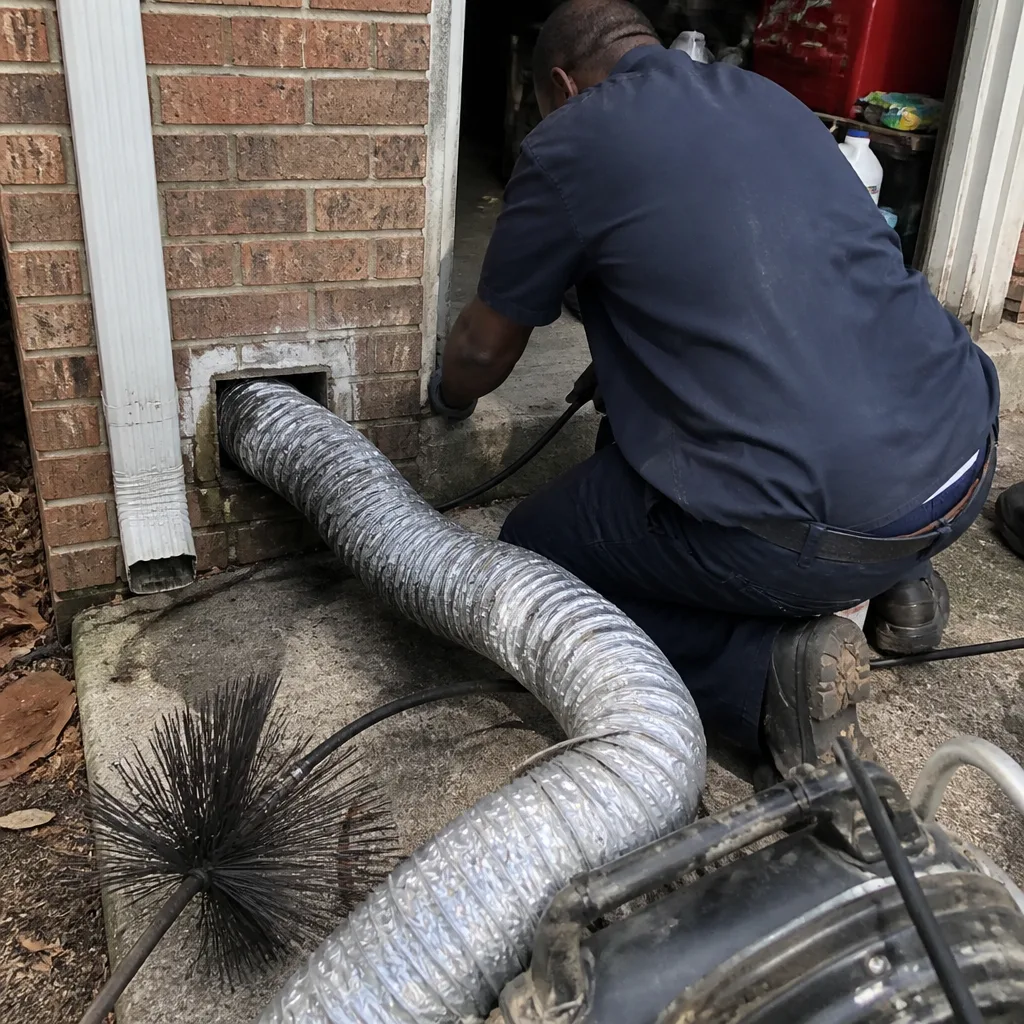 Before
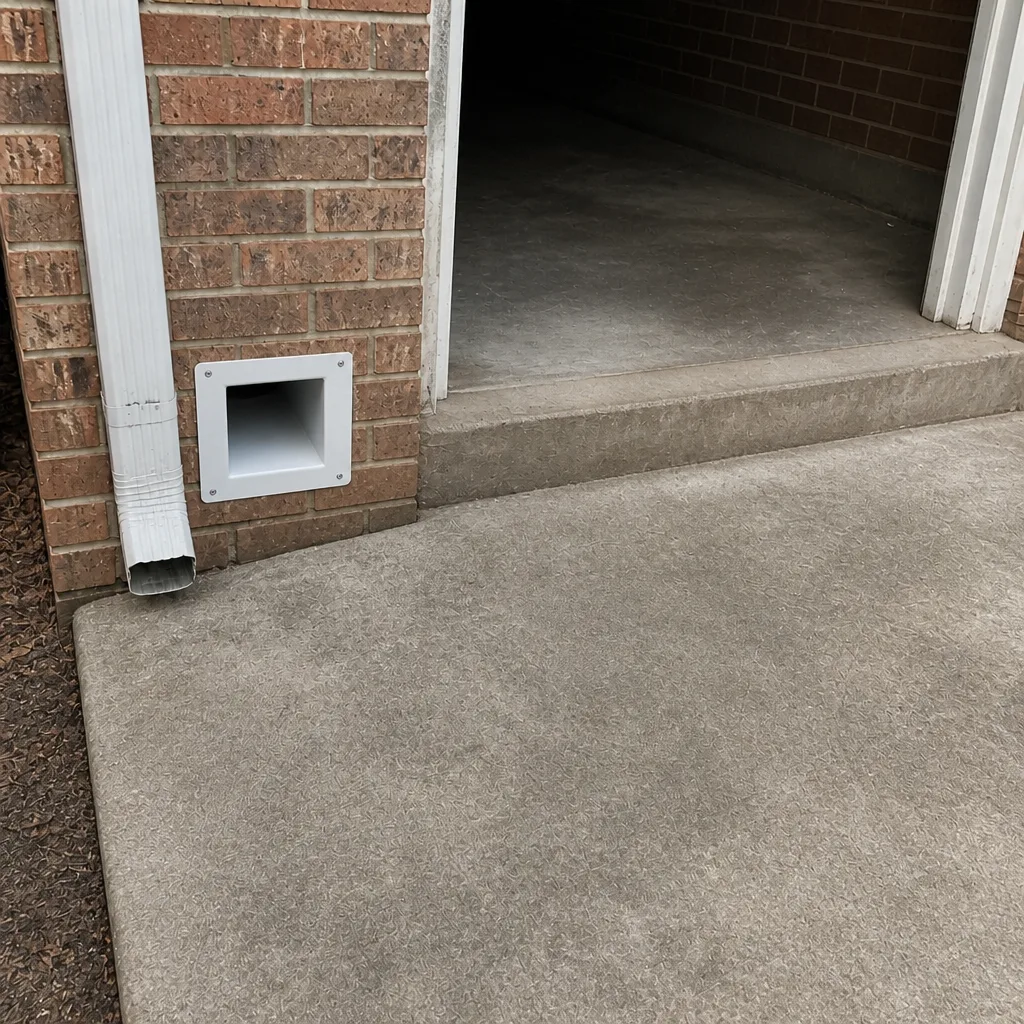 After
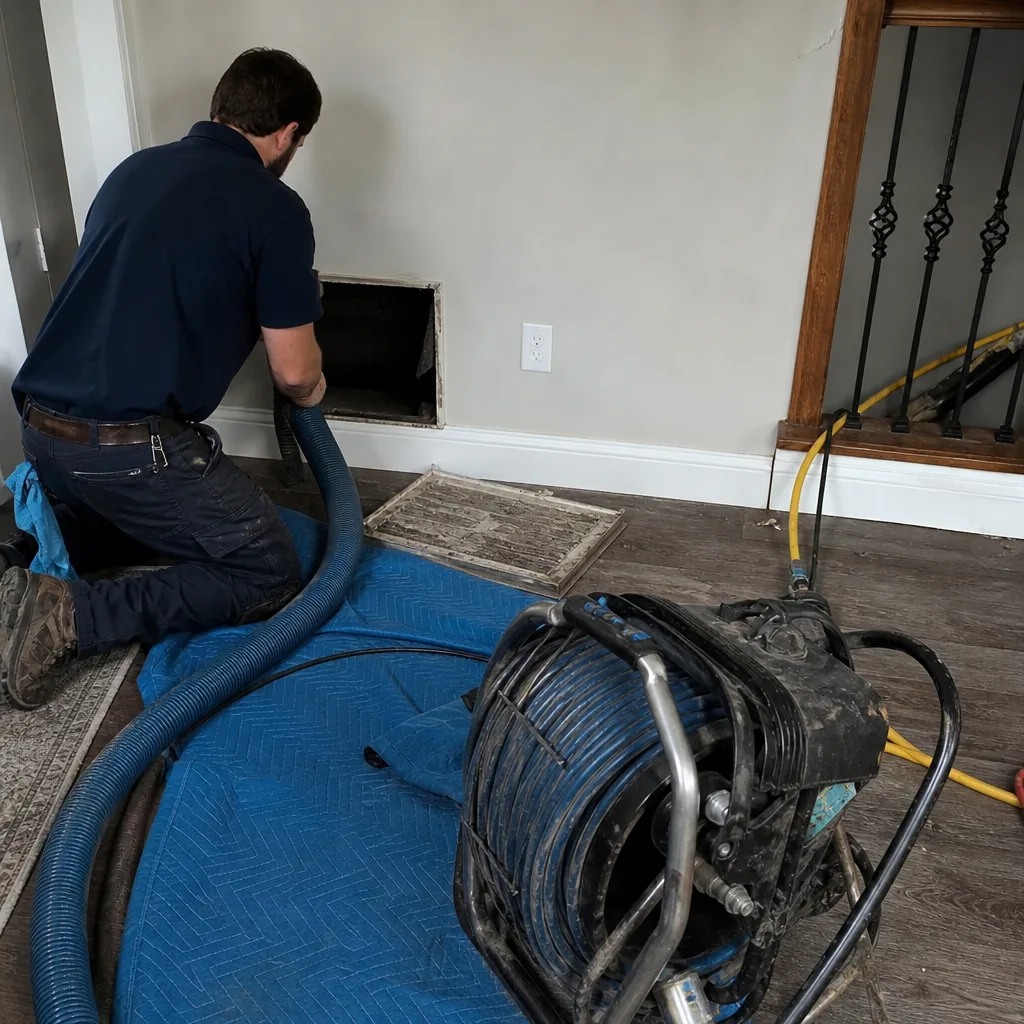 Before
 After
 Before
 After
When to Call a Professional
Call a professional when any of the following is true: you can see mold in the system, there’s evidence of pests or a persistent smell, your home recently had fire or smoke damage, a renovation just sent drywall dust through the return, or your airflow has dropped noticeably without a clear cause. Call too if a homeowner in your High Point house is dealing with allergy or respiratory symptoms and you suspect the system. These situations all involve contamination or structural issues that consumer tools can’t address. Duct Cleaning High Point offers free estimates in High Point, and our technicians have up to experience with professional-grade equipment. Call (888) 804-6957. We answer 24/7. Fast dispatch from 7am to 7pm, Sunday through Friday.
Frequently Asked Questions
A shop vac works for register covers, grille faces, and accessible return box edges, and that’s the honest limit. Once you attach a hose extension and push it into a duct, the vacuum loses most of its pull, the hose can’t navigate elbows, and it doesn’t agitate the bonded dust layer off the duct walls. It reaches a few feet and leaves the rest of the system untouched.
The inspection tells you. If airflow is weak in specific rooms, the problem may be crushed or disconnected flex duct, which is a repair. If the issue is dust, allergy symptoms, or odor with airflow intact, cleaning is likely the answer. Only a look inside the system settles it, which is why we photograph the duct condition before work begins and show you what we find.
Rotary agitation speed, reach, and simultaneous HEPA extraction. Rotobrush systems operate around 500 RPM with an extractor pulling while the brush works. A drill brush kit runs around 400 RPM with no capture. The higher RPM breaks bonded dust off the wall and the extractor pulls it away rather than pushing it further down the duct.
Register and grille cleaning is safe. Agitating inside the ductwork without containment is where the risk starts. High Point’s humid summers mean systems often hold moisture in the duct insulation, and disturbing mold or pest debris without negative pressure and HEPA filtration can push it into the living space. When contamination is possible, professional equipment is the safe path.
Usually because the equipment behind the quote is a shop vac and a hand brush instead of a rotary system with HEPA extraction and containment. That’s a different service with different results. The price is set per job by the written estimate, and the fair comparison is between quotes that describe the same equipment and the same containment work.
Before-and-after photos of your own ductwork, taken at the same access points. Ask for them up front. We photograph the system before we start and again after we finish, and the comparison is the proof. It’s also the reason we don’t mind being asked to show our work.
The Bottom Line
The DIY versus professional question for duct cleaning comes down to whether consumer equipment can reach and dislodge what’s settled in the system. On the easy surfaces, it can. Inside the trunk and deep branches, it can’t, and agitating without containment can make indoor air worse in the process. DIY makes sense for register upkeep, grille cleaning, and filter discipline between visits. Professional cleaning makes sense anywhere the system has mold, pest evidence, smoke residue, renovation debris, or damaged ductwork. Our technicians have up to experience, we run Rotobrush, Nikro, and Abatement Technologies equipment, and we handle duct repair, dryer vent cleaning, and air quality work with Honeywell and Aprilaire products as part of the same focused scope. If you’d like to know which side of the line your High Point home is on, Duct Cleaning High Point offers free estimates. Call (888) 804-6957. We answer 24/7. Fast dispatch from 7am to 7pm, Sunday through Friday.
Written by the team at Duct Cleaning High Point.