
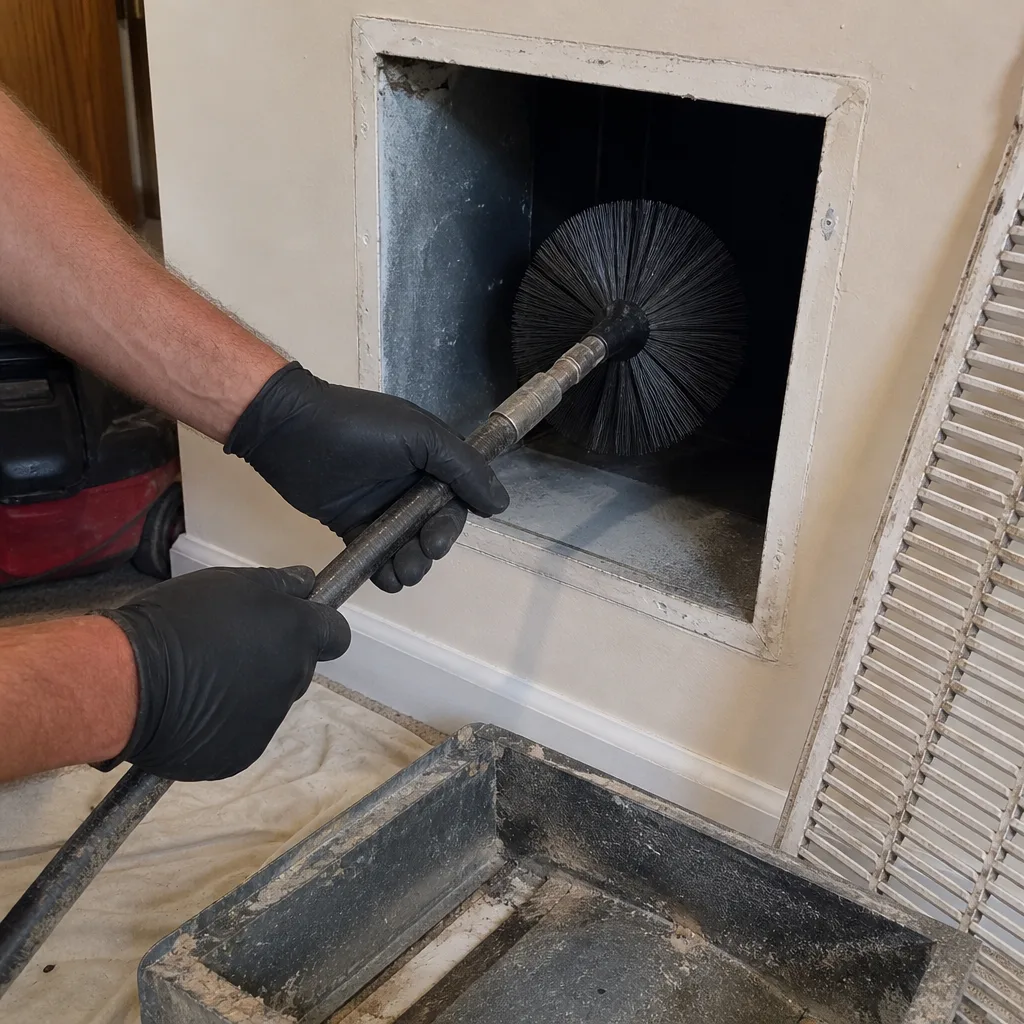
Last updated November 15, 2026
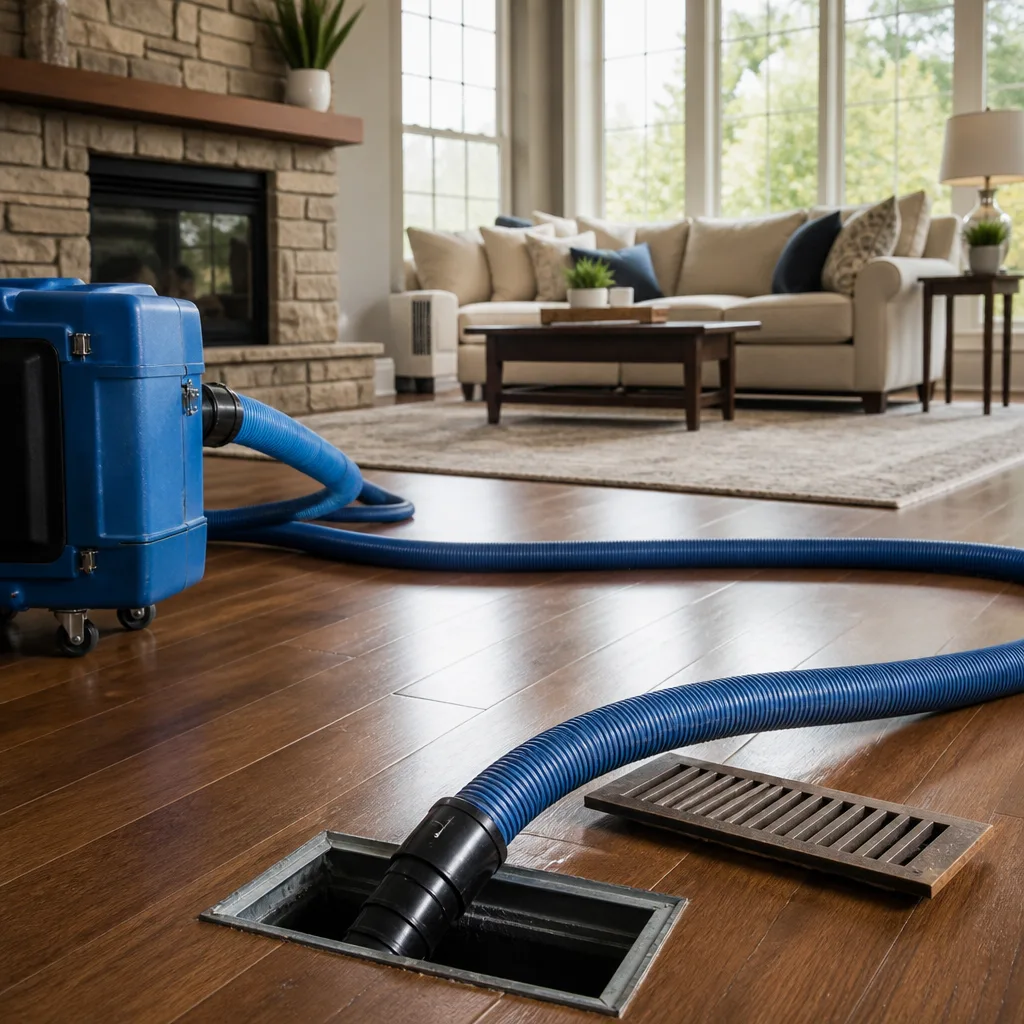 Whole-home duct cleaning
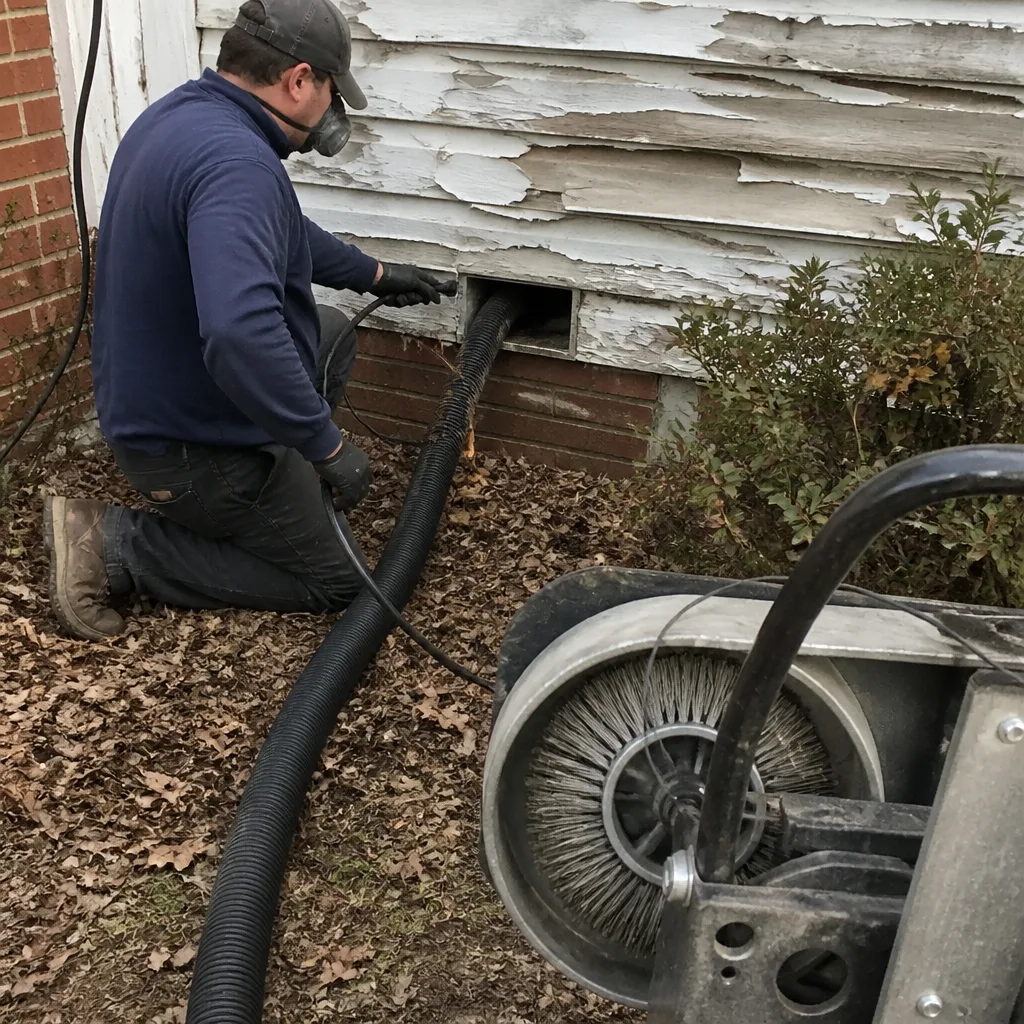
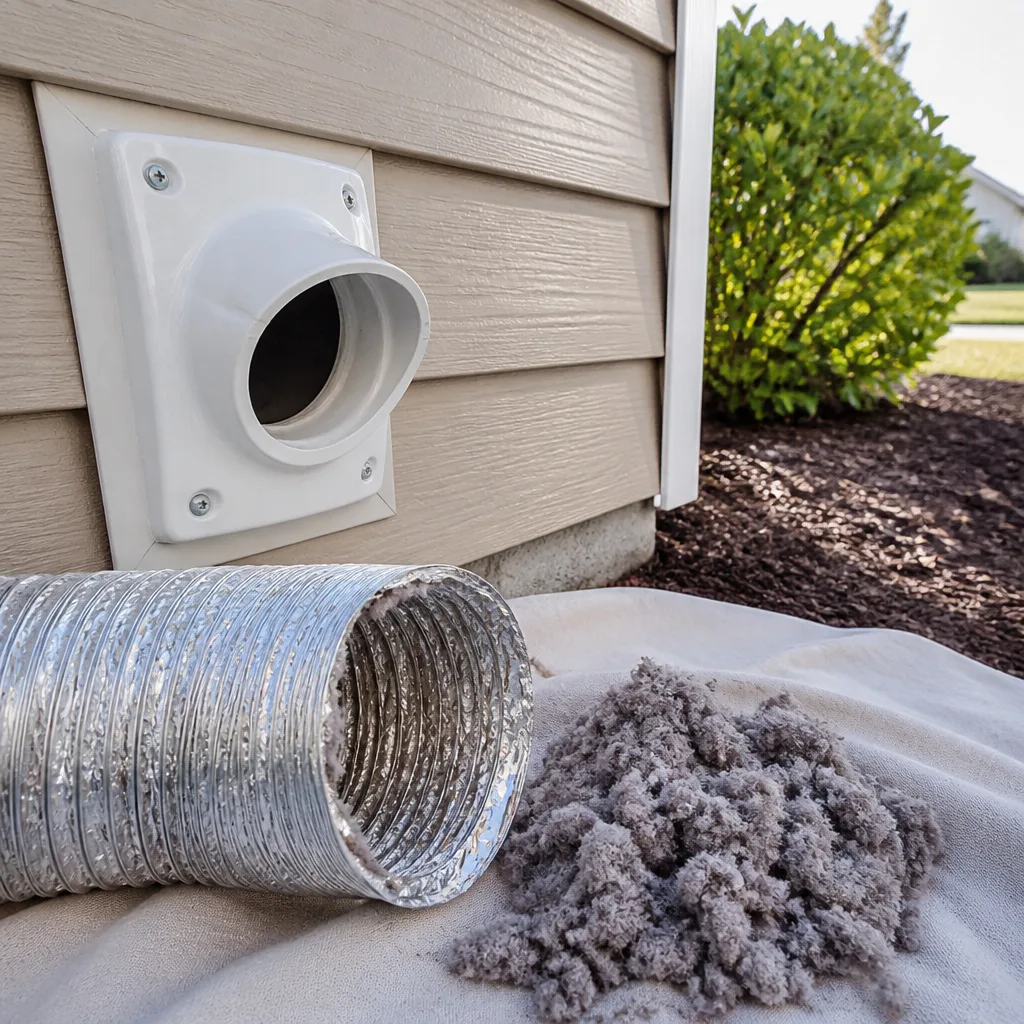 Dryer vent cleaning
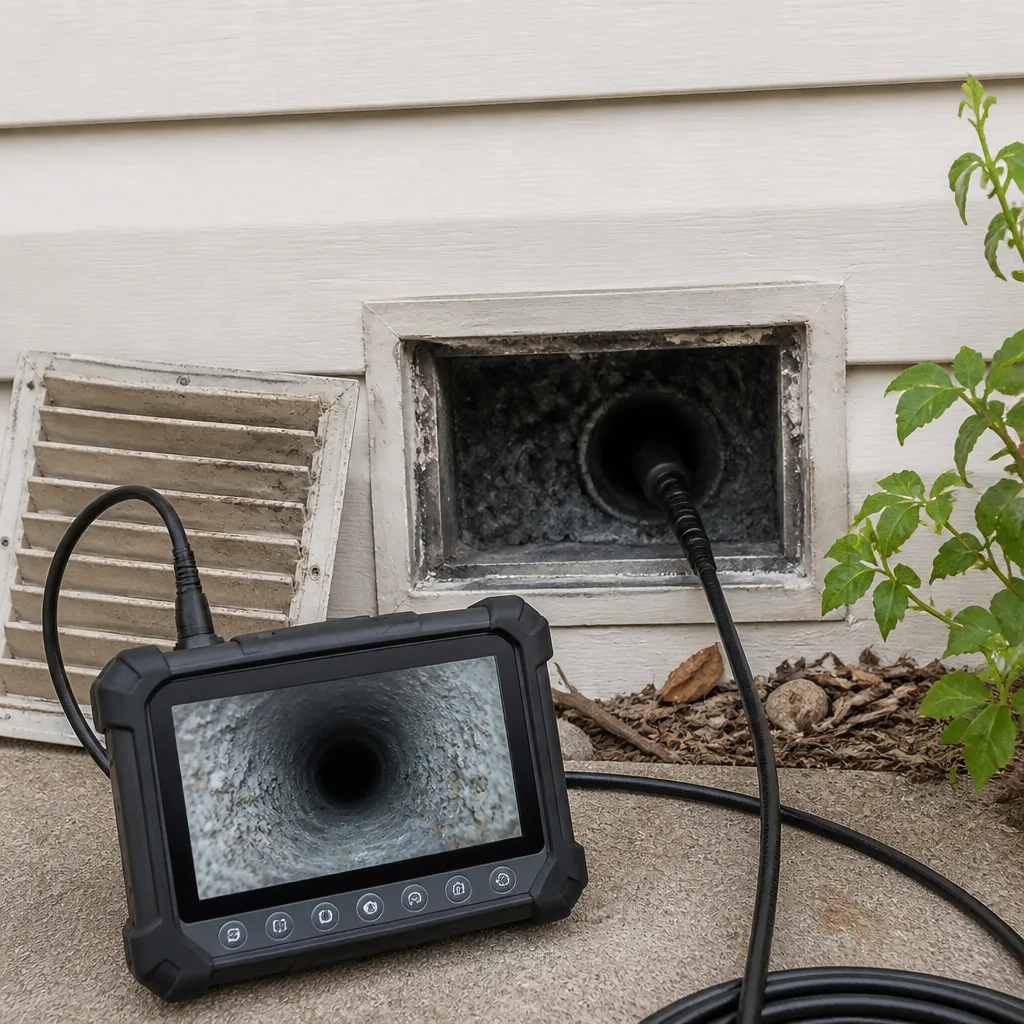 Camera inspection
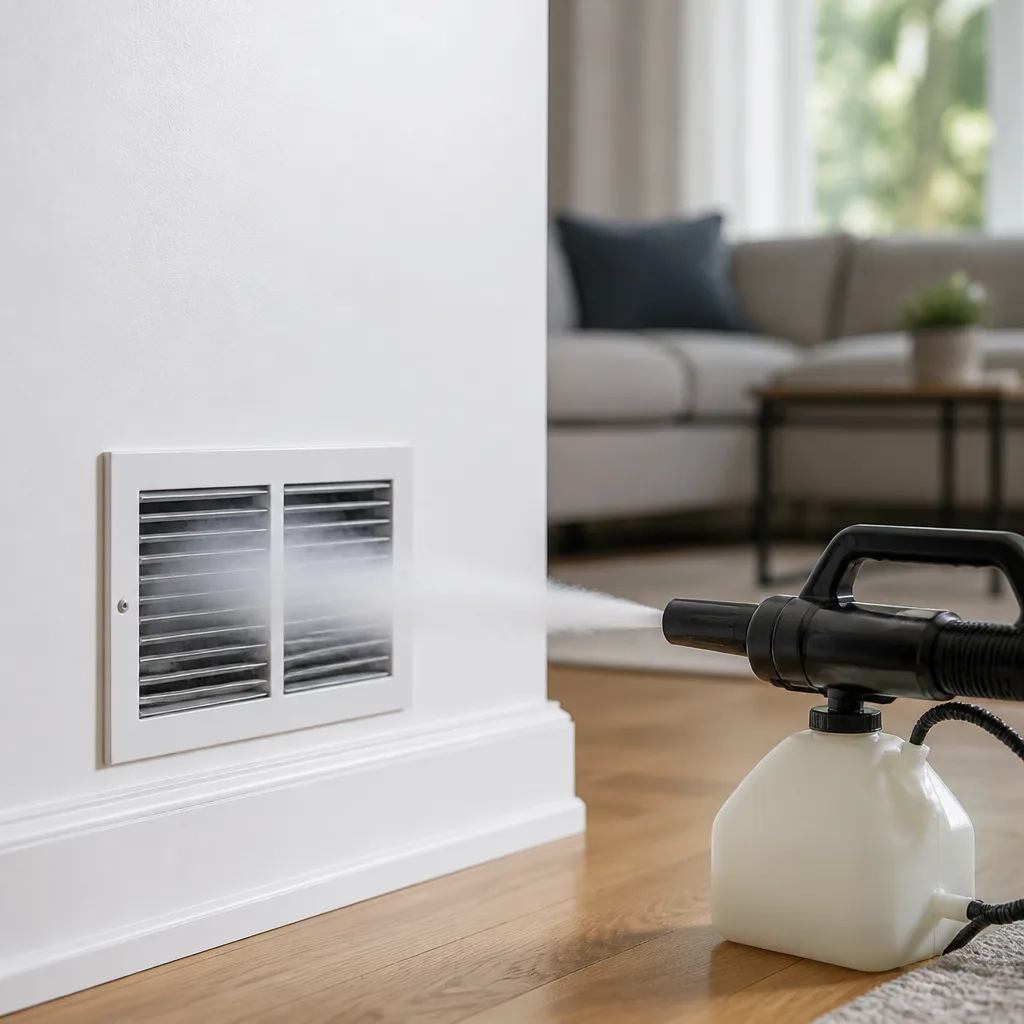 Sanitizing & deodorizing
Whole-system duct and dryer vent check with before-and-after photos - you see exactly what came out of your vents
That "$99 whole-house special" is a bait ad - the real number appears once they are in your hallway, or the "clean" is a shop-vac at the register. We photograph the inside of your ducts before and after instead.
Seasonal Air Duct Cleaning Care for High Point: Year-Round Homeowner’s Guide
Most duct cleaning advice you’ll find online treats the calendar as an afterthought: change the filter twice a year, schedule a cleaning when you remember, and hope for the best. That schedule was written for a generic climate that doesn’t exist here. High Point sits in a climate band where summer humidity regularly pushes above 80% and winter heating runs long, and those two conditions stress a duct system in opposite directions. A spring pollen load and a January static problem are not the same problem, and they don’t have the same fix. This guide treats each of High Point’s four seasons as its own maintenance chapter, with a month-by-month calendar built around what actually happens in Piedmont Triad homes.
Quick Answer
Air duct care in High Point works best on a seasonal rhythm rather than a single annual cleaning: spring for pollen control before the cooling season locks in, summer for moisture and condensate problems, fall for a furnace-run inspection before combustion season, and winter for camera inspection while the system runs dry. Most High Point homes need a full professional cleaning every two to three years, with seasonal checkpoints in between. Our technicians have up to experience reading duct systems in this climate, and the patterns are consistent enough to plan around.
Styles & brands we work with
- Whole-home duct cleaning
- Dryer vent cleaning
- Camera inspection
- Sanitizing & deodorizing
Table of Contents
- Why High Point’s Climate Stresses Duct Systems Differently
- Spring (March-May): Pollen Loading and Coil Fins
- Summer (June-September): Humidity, Condensate, and Duct Liner Moisture
- Fall (October-November): Combustion Season Startup
- Winter (December-February): Dry Air, Static, and the Inspection Window
- Month-by-Month Action Calendar for High Point Homeowners
- When Cleaning Isn’t Enough: Duct Repair and Sealing
- Common Mistakes to Avoid
- When to Call a Professional
- Frequently Asked Questions
Why High Point’s Climate Stresses Duct Systems Differently
High Point sits in the Piedmont Triad, a band that gets four genuinely distinct seasons but none of them mildly. Summer dew points climb high enough that a home’s air conditioning is running condensate removal at full capacity for months. Winter heating stretches long enough that a furnace or heat pump is cycling constantly for a good stretch of the year. That dual load is the core of the problem: a duct system that handles heavy cooling in July is handling completely different conditions in January, and generic advice built around one mild season misses half the picture.
There’s a second layer specific to High Point homes. The city has a large stock of older houses, many of them built with flex duct or sheet metal runs that have had decades of small settling, tape failures, and reroutes behind them. Those older systems are more sensitive to seasonal changes because a small leak or a sagging run becomes a much bigger problem when the pressure or temperature differential shifts.
Our technicians have up to experience working in High Point, and the seasonal patterns we see are remarkably consistent from one neighborhood to the next. The exact timing shifts a little year to year, but the sequence doesn’t. If you want the full picture of what duct cleaning in High Point covers, that page is the starting point. This guide is about how to think about that work across the year.
- Summer: humidity load stresses condensate systems and duct liner moisture
- Winter: extended heating creates dry airflow and static buildup
- Spring: Piedmont pollen load coats coil fins and bypasses standard filters
- Fall: the transition window is your one clean shot at a furnace-season inspection
Spring (March-May): Pollen Loading and Coil Fins
Spring in the Piedmont means pollen, and the word “pollen” doesn’t do justice to what actually floats through High Point air from March through May. Pine, oak, and a long list of grass pollens all release in a compressed window, and the fine particles behave differently from household dust. Standard 1-inch filters catch the larger particles, but the finest pollen fraction passes through or loads the filter face so quickly that airflow drops before most homeowners notice anything wrong.
The downstream effect is what matters. That fine pollen coats the evaporator coil fins, and a light coating on coil fins is remarkably effective at reducing heat transfer. You won’t see it. You’ll feel it as a system that runs longer to reach the same temperature, or a house that feels slightly humid even when the thermostat says it shouldn’t. In our experience, the pollen loading that causes this is invisible from the living space and only shows up when we pull a camera or look at the coil face.
What to check in spring
- Filter cadence: during peak pollen, check the filter monthly rather than on the usual 90-day schedule. A filter that looks fine from the front can be heavily loaded on the upstream side.
- Return grille dust pattern: if the return grilles are showing visible fuzz within weeks of cleaning, the system is working harder than it should upstream.
- Coil accessibility: ask whether your air handler coil can be inspected without major disassembly. Some can, some can’t, and knowing which one you have saves time later.
- Duct seams near windows and doors: spring pollen gets pulled into the return system, and a leaky return in a garage or crawl space pulls unfiltered air from outside the conditioned envelope.
Spring is also the right time for a full air duct cleaning if it’s your scheduled year. Getting the pollen out before the cooling season starts means the system enters summer without an extra layer of loading working against it.
Summer (June-September): Humidity, Condensate, and Duct Liner Moisture
High Point’s summer humidity is the single most important seasonal factor for duct health, and it’s the one most homeowners underestimate. When dew points stay high for weeks, the air conditioning system isn’t just cooling the house, it’s removing an enormous volume of water from the air. Every bit of that water has to go somewhere, and the system’s condensate drain pan and line are where it goes.
The duct-specific concern is different but related. Flex duct liner, the inner layer inside many flexible duct runs, is a fabric-like surface. When conditions in the duct system become moist enough, that liner can support mold colonization in a way that drier climates simply don’t have to worry about as much. This isn’t a scare tactic; it’s a physical property of the material combined with High Point’s summer climate. We’ve seen it in systems that looked clean from the outside.
Why summer is when duct moisture problems show up
- Condensate drain pans: a pan that drains slowly or holds a little standing water becomes a growth surface in High Point humidity. Check that the drain line flows freely and the pan is dry between cycles.
- Unsealed duct joints in unconditioned spaces: a return duct running through a humid crawl space pulls moist air into the system. That’s a duct repair issue, not a cleaning issue, and it has to be fixed before cleaning is meaningful.
- Flex duct liner moisture: a liner that has been damp for a season can develop a musty smell that’s most noticeable on first startup each morning.
- Oversized systems: a system that cools quickly and shuts off before dehumidifying the air leaves the house feeling clammy, which is a symptom worth investigating even if the ducts are clean.
If you notice a musty smell that follows the air conditioning, ask for a camera inspection before assuming a cleaning is the answer. Sometimes it is. Sometimes the answer is dryer vent cleaning for a separate moisture source, or duct repair for a leak that’s pulling in humid air. We check the source rather than defaulting to a cleaning.
Fall (October-November): Combustion Season Startup
The fall transition is the most important seasonal checkpoint in High Point, and it’s the one most homeowners skip. When heating season starts, the furnace or heat pump begins cycling after a long off period. Small issues that developed over the spring and summer, dust accumulation on the heat exchanger, a partially blocked flue, a heat exchanger crack that developed in the off season, all become relevant at first run.
The duct-specific factor is the proximity of the heat exchanger to the supply plenum. The furnace plenum is where hot air enters the duct system, and it’s also the area most likely to accumulate dust, debris, and in some cases fine debris from a compromised heat exchanger. A gas furnace with a cracked heat exchanger can introduce combustion byproducts into the supply air, and the plenum is where that risk concentrates. That’s why fall is the right time to have the system looked at before the heating season begins in earnest.
This is also a safety topic, and we treat it as one. If it’s been more than a year since your furnace was serviced, fall is when to schedule it. Ask specifically for the heat exchanger to be inspected. Ask to see the plenum area. A furnace that’s been running fine in the spring can develop a heat exchanger issue over the off months, and the first sign is often a smell you can’t quite place on the first cold morning.
Fall checklist before first furnace run
- Schedule the furnace service and ask for a heat exchanger inspection. If you’re told “we’ll check it,” ask for the camera images or the inspection report.
- Inspect the supply plenum area visually. Look for soot, dust, or fine debris that seems unusually heavy for the season.
- Check that return air paths are unobstructed. Furniture over return grilles and closed doors to rooms with returns both hurt airflow.
- Note any musty or metallic smell on the first few heat cycles. A smell that persists past the first run is worth a call.
- If it’s your scheduled cleaning year, do the cleaning before the heating season rather than after. Defer nothing until January.
Fall is also the month we get the most calls about a strange smell that turned out to be combustion-related. If you’re in High Point and it’s your first season in a new house, treat the fall inspection as non-negotiable. If your ducts are showing visible dust or debris in the supply plenum, book a cleaning first.
Winter (December-February): Dry Air, Static, and the Inspection Window
Winter in High Point is the other half of the climate equation, and it produces the opposite problem from summer. Heating season means dry air moving through the system for months. Dry air is a poor conductor, which means it holds less moisture to weigh down fine particles. Those particles, largely settled duct lining dust that was stable in the humid summer, become lighter and more mobile. Some of them get picked up on each heat cycle and distributed into the living space.
The static buildup is real and worth understanding. Very dry air generates static charge as it moves through duct walls, and that static charge congests and loosens fine dust that would otherwise stay put. If your home feels like it’s attracting dust more aggressively in winter than in summer, it’s not your imagination; it’s seasonal physics.
Winter is also our best camera-inspection window. The system is running dry, there’s no summer condensate obscuring the picture, and the duct interior is stable enough to show what’s actually there rather than what’s temporarily wet. If you’ve been putting off a camera inspection because the system “seems fine,” winter is when the answer is cleanest.
What to do in winter
- Increase filter checks: dry air and increased circulation mean the filter loads faster than you might expect. Check monthly through the heating season.
- Note the dust pattern: if horizontal surfaces in a single room accumulate dust much faster than the rest of the house, that room’s return or supply run deserves a closer look.
- Book a camera inspection: this is the time to see the actual condition of the duct interior rather than guessing. We use Abatement Technologies equipment for contamination control and negative air pressure, and the inspection is what tells us whether cleaning, repair, or both is the right answer.
- Watch humidity levels: a whole-house humidifier, like the Honeywell and Aprilaire units we work with, can keep winter air in a healthier range for both people and duct systems.
If winter makes you want to close every register in the house to save on heat, don’t. Closing more than a couple of registers in a single system can increase pressure enough to cause duct leakage at the seams, and that leak is what you’ll be chasing come spring.
Month-by-Month Action Calendar for High Point Homeowners
This calendar ties each month to a specific action and a specific seasonal reason, rather than the generic “spring and fall” advice. High Point’s climate runs from March pollen through a long summer dehumidification season, a brief fall combustion startup, and a long dry heating run. Each month below reflects that sequence.
Spring (March-May)
- March: Swap in a fresh filter and check weekly for the first two weeks. If the filter loads fast, you’re in the peak pollen window. Note any return grilles showing visible fuzz.
- April: Check the return plenum and coil area if accessible. If the system is pulling hard, this is the window for the scheduled full cleaning.
- May: Confirm the condensate drain is clear and flowing before the heavy cooling season. A slow drain in May becomes a wet pan in July.
Summer (June-September)
- June: Check the condensate pan is dry between cycles. Listen for the air handler to cycle normally (no short cycling, no long runs to reach temperature).
- July: Peak humidity month. If you notice a musty smell on startup, that’s the month to ask for a camera inspection.
- August: Check flex duct runs in the attic or crawl space for visible condensation or water stains on the insulation jacket.
- September: Note any change in cooling performance. If the system struggled in August, get it looked at before the fall transition.
Fall (October-November)
- October: Schedule the furnace service and heat exchanger inspection. Book the fall cleaning if it’s your scheduled year.
- November: Check the supply plenum area visually before the first extended heating run. Note any unusual smell on first heat cycle.
Winter (December-February)
- December: Check filters monthly. If it’s your scheduled camera-inspection window, book it now.
- January: Watch indoor humidity. Add a humidifier if dry air is causing static and dust problems.
- February: Note any room that’s dustier than the rest of the house. That’s a signal to look at a specific duct run.
The complete year at a glance
- Filter checks monthly through spring and winter, every three months in between.
- Condensate drain verification before cooling season (May) and again mid-summer (July).
- Full professional cleaning every two to three years, ideally in spring or early fall.
- Camera inspection in winter for a clean read on the duct interior.
- Furnace service and heat exchanger inspection every fall.
- Duct repair assessment any time a smell, pressure change, or visible leak shows up.
When Cleaning Isn’t Enough: Duct Repair and Sealing
Not every duct problem is a cleaning problem. A cleaning removes what’s inside the ducts. It does nothing for what’s wrong with the ducts themselves, and in our experience the two issues are often tangled together. A return duct that’s pulling humid crawl space air into the system will keep the system damp regardless of how thoroughly it’s cleaned. A supply run with a failed seam will leak conditioned air into the attic all winter, which you’ll feel as a cold room and pay for on the bill.
This is why air duct repair is worth knowing about as a standalone service rather than an add-on. When a camera inspection turns up a collapsed flex run, a failed joint, a sagging section that’s collecting debris, or a duct that’s disconnected from its boot, those findings point to repair rather than cleaning. We treat the repair as its own job because it is. The cleaning can wait until the duct is actually sealing properly again.
Structural repairs we see most in High Point homes fall into a few patterns. Older homes with original sheet metal duct runs that have developed pinholes or separated seams over time. Homes where a renovation moved a register and left flex duct stretched tight and unsupported. Homes with attic or crawl space duct runs where the insulation jacket has been damaged by pests, settling, or a careless HVAC service call. Each one calls for a different repair.
- Leaky seams and joints: sealed with mastic or approved tape, then verified with a pressure reading where practical.
- Disconnected ducts: reattached and supported properly so the connection holds through seasonal pressure changes.
- Sagging flex runs: re-supported so the duct doesn’t trap debris or restrict airflow.
- Damaged liner: the repair depends on whether the liner is structurally compromised or just dirty. We assess before recommending a fix.
Once the ductwork is sealed and sound, a cleaning makes sense and the results last. That order matters.
Common Mistakes to Avoid
- Treating “annual cleaning” as a fixed schedule. High Point’s climate is hard on duct systems from two directions, and a single annual cleaning date ignores both pollens and humidity. The seasonal checkpoints in this guide matter as much as the cleaning itself.
- Ignoring the condensate pan until summer. A slow-draining pan in March becomes a wet crawl space in July. Check the drain in spring, not when you notice a smell.
- Skipping the fall heat exchanger inspection. This is a safety issue, not a routine one. Furnace heat exchangers can develop issues between heating seasons, and fall is when to catch them.
- Closing too many registers in winter. Closing more than one or two registers in a system can raise pressure and cause duct leaks at the seams. If a room is too cold, address the duct run rather than closing the register.
- Choosing a cleaning company by coupon price. A low advertised price that grows into a much larger invoice once the equipment is in the driveway is a pattern we hear about often. Ask what the price covers before work starts.
- Booking a cleaning when the ducts need repair. Cleaning a leaky, disconnected duct system is wasted effort. If a camera inspection turns up damage, address the repair first.
- Ignoring the dryer vent. Dryer vents clog and are a documented fire hazard, not just an efficiency issue. Schedule dryer vent cleaning on the same seasonal rhythm as your duct work.
When to Call a Professional
Call a professional when the problem is bigger than the filter. If you’re seeing visible dust blowing from a supply register, hearing a whistle or hiss from a duct joint, smelling a musty or metallic odor that follows the air handler, or noticing a single room that’s consistently dustier or harder to cool than the rest of the house, those are signs worth a camera inspection. If it’s been more than two or three years since the last full cleaning, or you’ve recently moved into a High Point home with unknown duct history, a baseline inspection makes sense. Fall is the right time to have the heat exchanger checked before the heating season. If you’ve had work done on a system recently and the ducts were opened, that’s a natural cleaning window too.
We connect High Point homeowners with independent local professionals who do this work, and the estimate is free. Call (888) 804-6957. We answer 24/7. Fast dispatch from 7am to 7pm, Sunday through Friday. If your question is about High Point neighborhoods, specific system types, or what a cleaning involves in your home, an inspection is the fastest way to a straight answer.
Frequently Asked Questions
Most High Point homes need a full professional cleaning every two to three years, with seasonal filter checks and inspections in between. The two-to-three-year rhythm reflects the local climate, where both a long humid summer and a long heating season stress the system. Homes with pets, allergy concerns, or recent renovations often benefit from cleaning closer to the two-year end. Call (888) 804-6957 for an exact quote. Estimates are free.
Summer humidity is the primary cause, because High Point’s dew points stay high for months and the air conditioning system removes a very large volume of water from the air. Every bit of that water has to drain away, and when a condensate pan or line is slow, moisture lingers. Flex duct liner is the material most affected, since a damp liner can support mold colonization in a way that drier climates don’t have to worry about as much. If you notice a musty smell on startup, call (888) 804-6957 for an inspection.
Yes, winter is one of the best windows for a camera inspection because the system runs dry and the duct interior is stable enough to show what’s actually there. Summer condensate can obscure the picture, and spring pollen creates a shifting layer that isn’t reliable. We use Abatement Technologies equipment for contamination control and negative air pressure, and the winter inspection is what tells us whether cleaning or repair is the right next step. Call (888) 804-6957 to schedule.
Schedule the furnace service and ask specifically for a heat exchanger inspection before the first extended heating run. The first thing to check is the supply plenum area, since that’s where combustion byproducts would concentrate if a heat exchanger issue is present. If you’re in a new High Point home and don’t know its history, treat the fall inspection as required rather than optional. Call (888) 804-6957 for a free estimate on duct work or an inspection.
Small accessible leaks at a visible joint can sometimes be sealed with duct mastic, but most duct repairs in High Point homes involve attic or crawl space runs where access is limited. Structural issues like disconnected runs, sagging flex duct, or failed insulation jackets need a professional assessment. Cleaning a leaky system before fixing it wastes the cleaning. Call (888) 804-6957 for a free estimate and a camera inspection that tells you what you’re actually dealing with.
A shop vac can’t move enough air to loosen and capture the depth of debris that settles in duct systems, and it can’t handle the containment needed to keep what comes out of the ducts from ending up in your living space. Professional equipment like Rotobrush and Nikro systems are designed for the airflow and filtration required, and Abatement Technologies equipment handles negative air pressure and contamination control. We also use Honeywell and Aprilaire products when air quality upgrades make sense. If you want the job done properly, call (888) 804-6957 for a free estimate.
The Bottom Line
High Point’s four seasons create four distinct duct maintenance priorities: pollen loading in spring, humidity and condensate stress in summer, a critical furnace-season inspection in fall, and a clean camera-inspection window in winter. Treat each one as its own task rather than recycling the generic “clean once a year” advice. The payoff shows up in three places: cleaner air, less strain on your HVAC system, and a home that’s easier to keep comfortable in both extreme seasons. If you’re in High Point, book the fall inspection first, then build the rest of the calendar around it. Call (888) 804-6957 to schedule a free estimate; we answer 24/7 and dispatch fast from 7am to 7pm.
Written by the team at Duct Cleaning High Point.
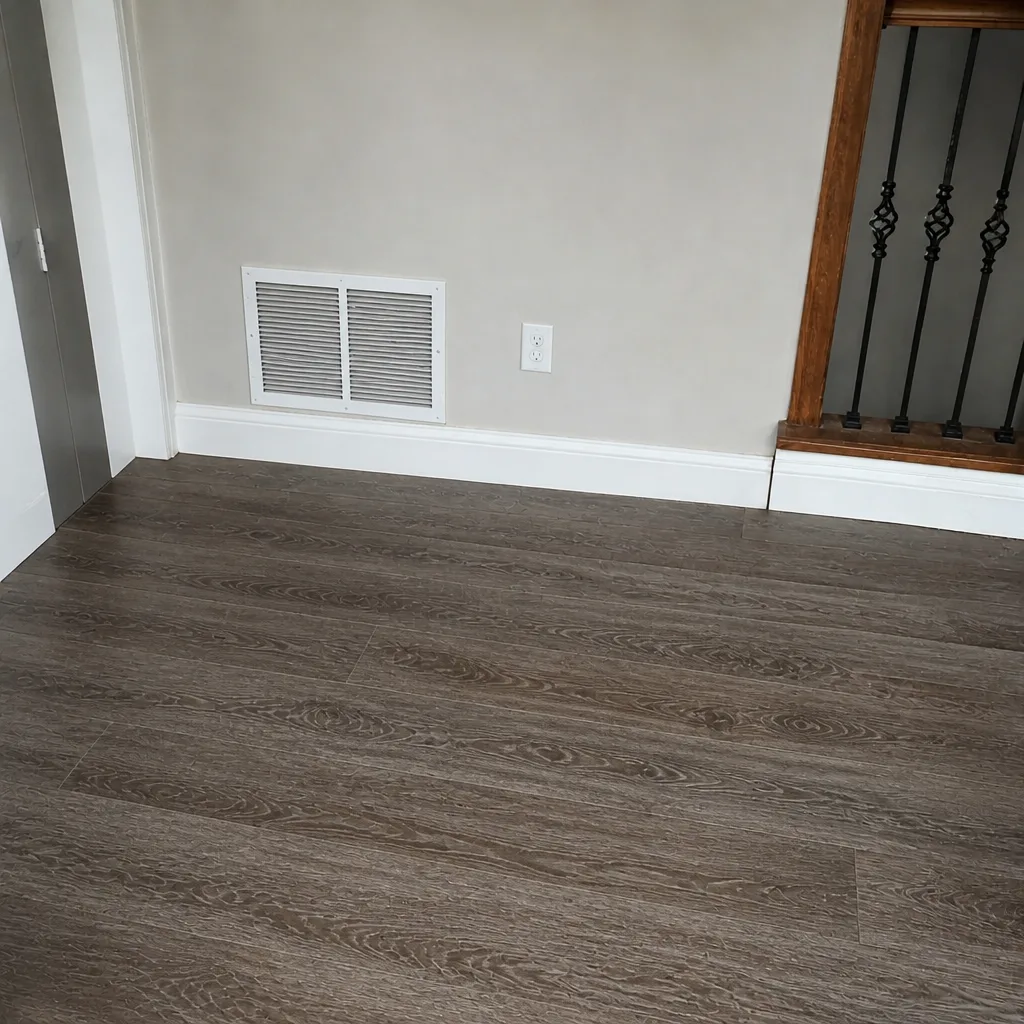
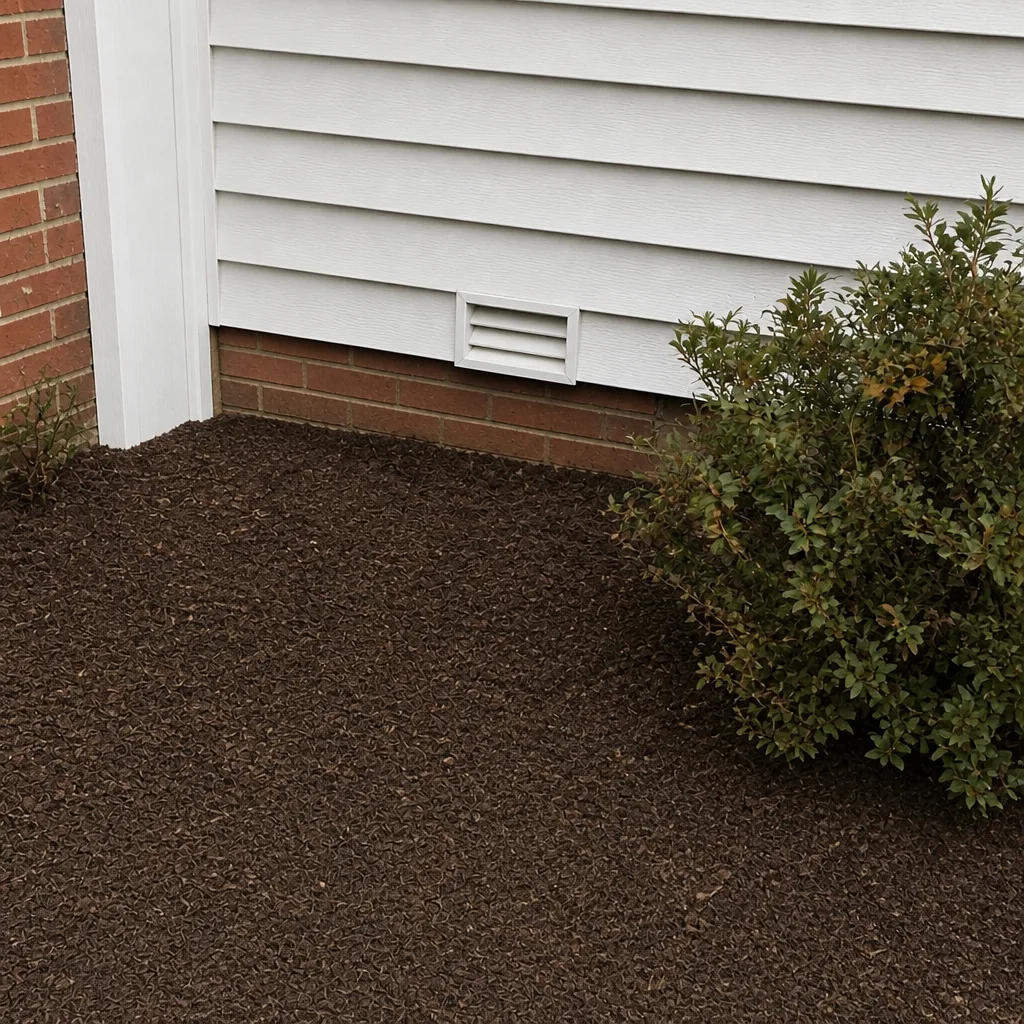
See the difference
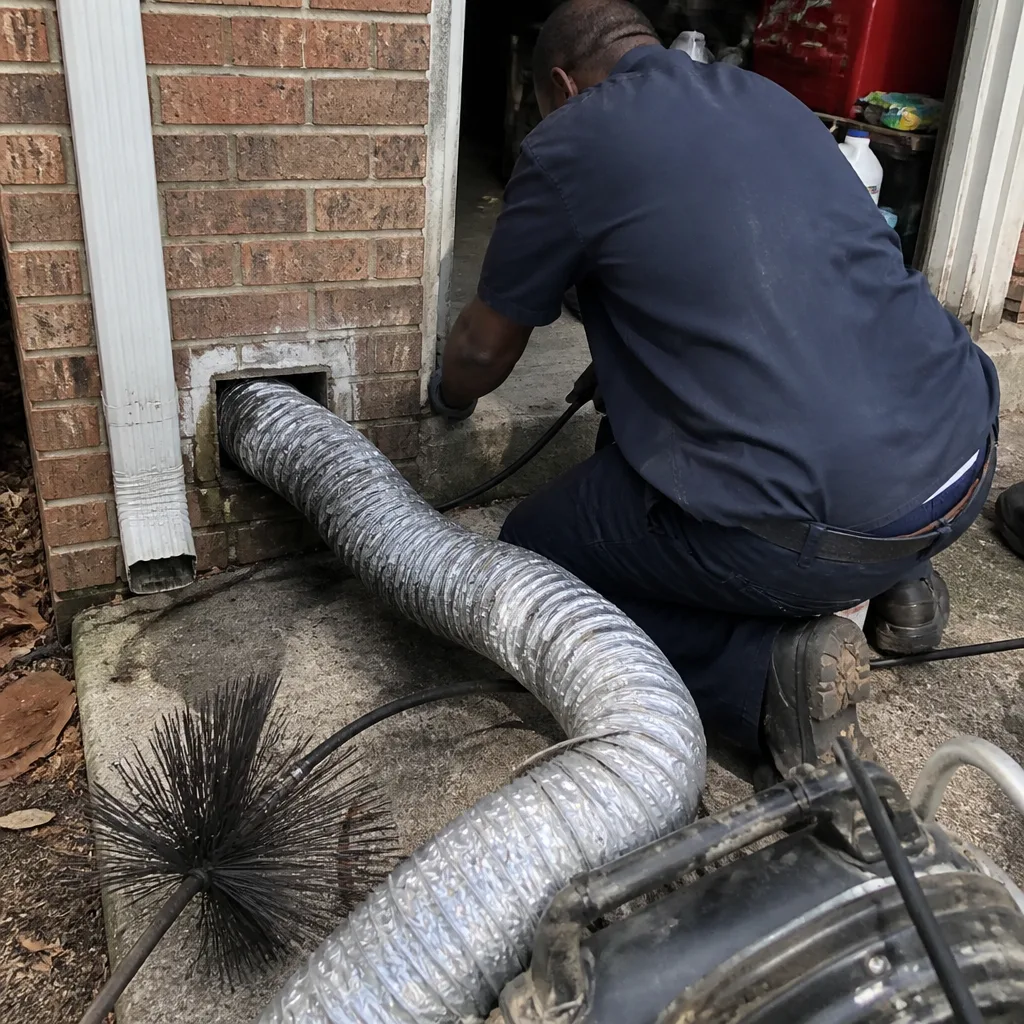 Before
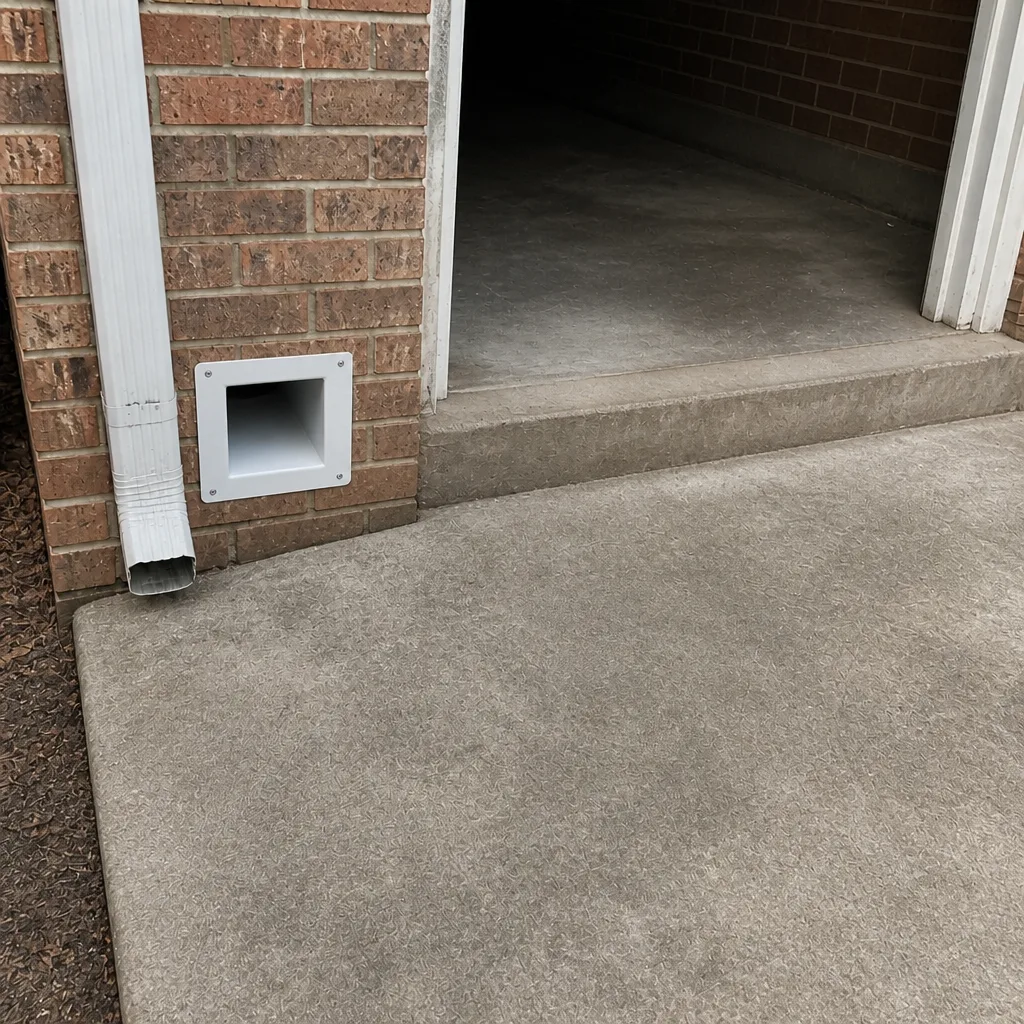 After
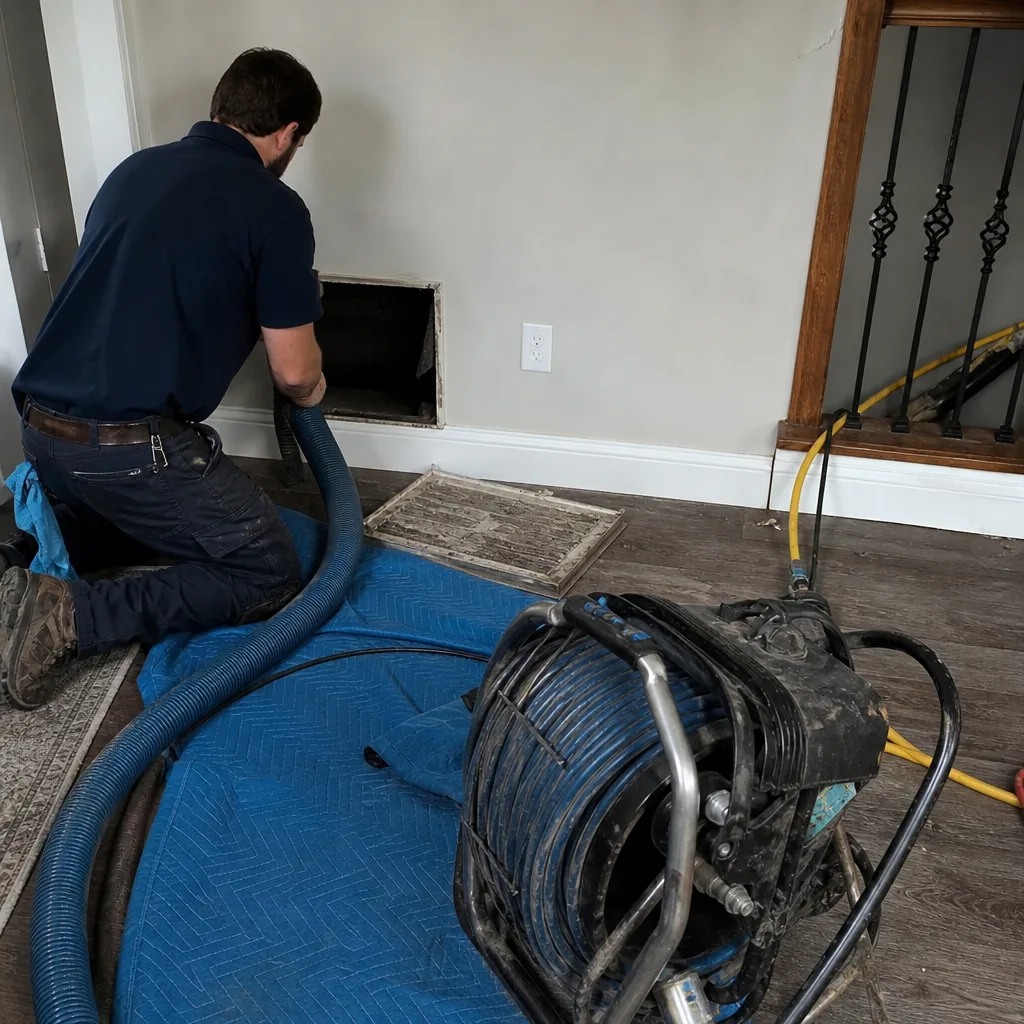 Before
 After
 Before
 After