
Last updated November 15, 2026
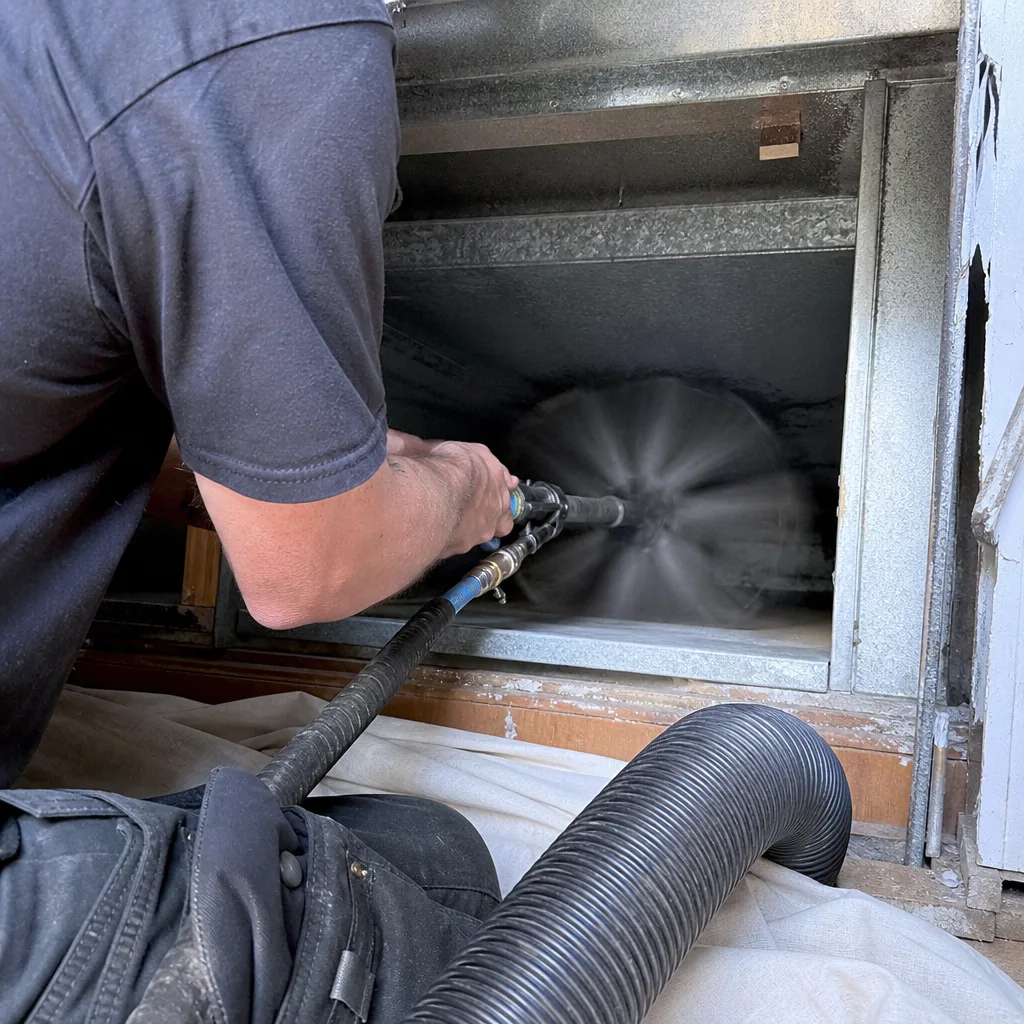
 Whole-home duct cleaning
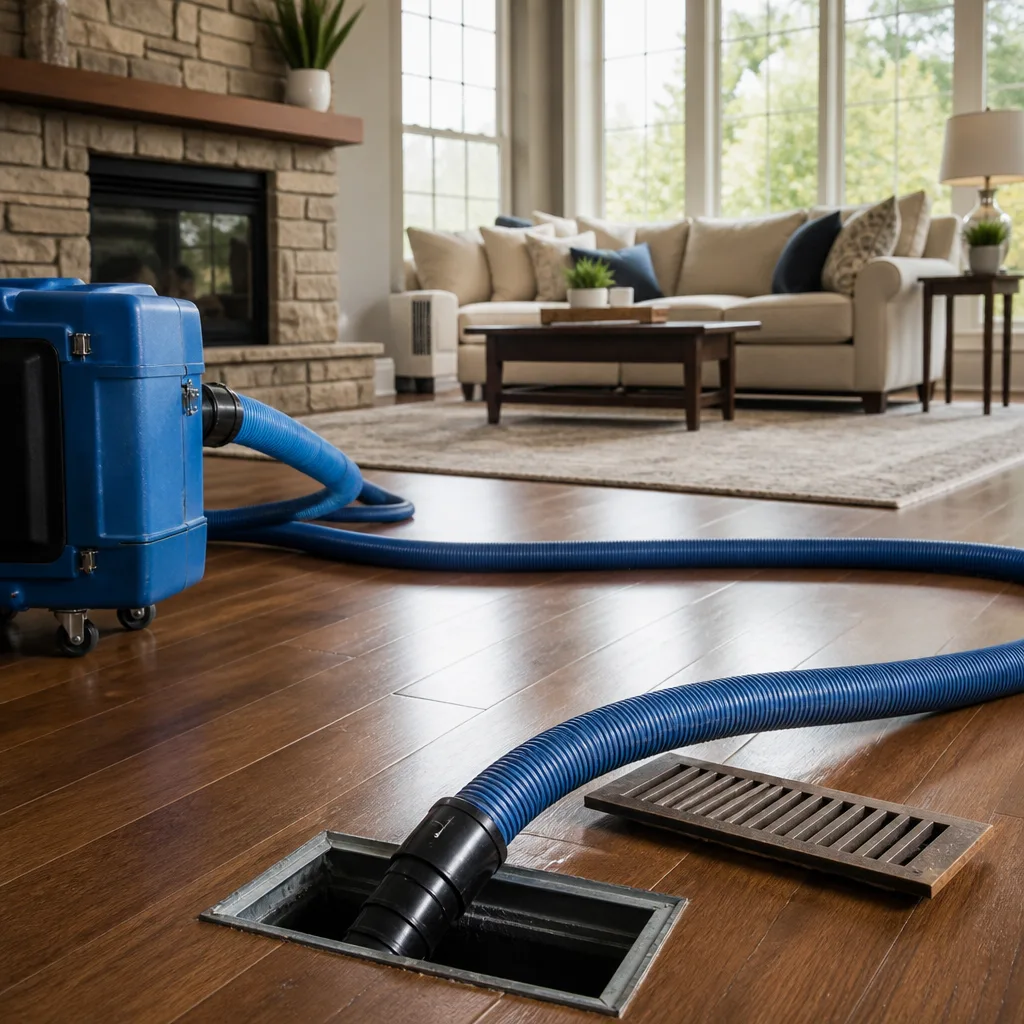
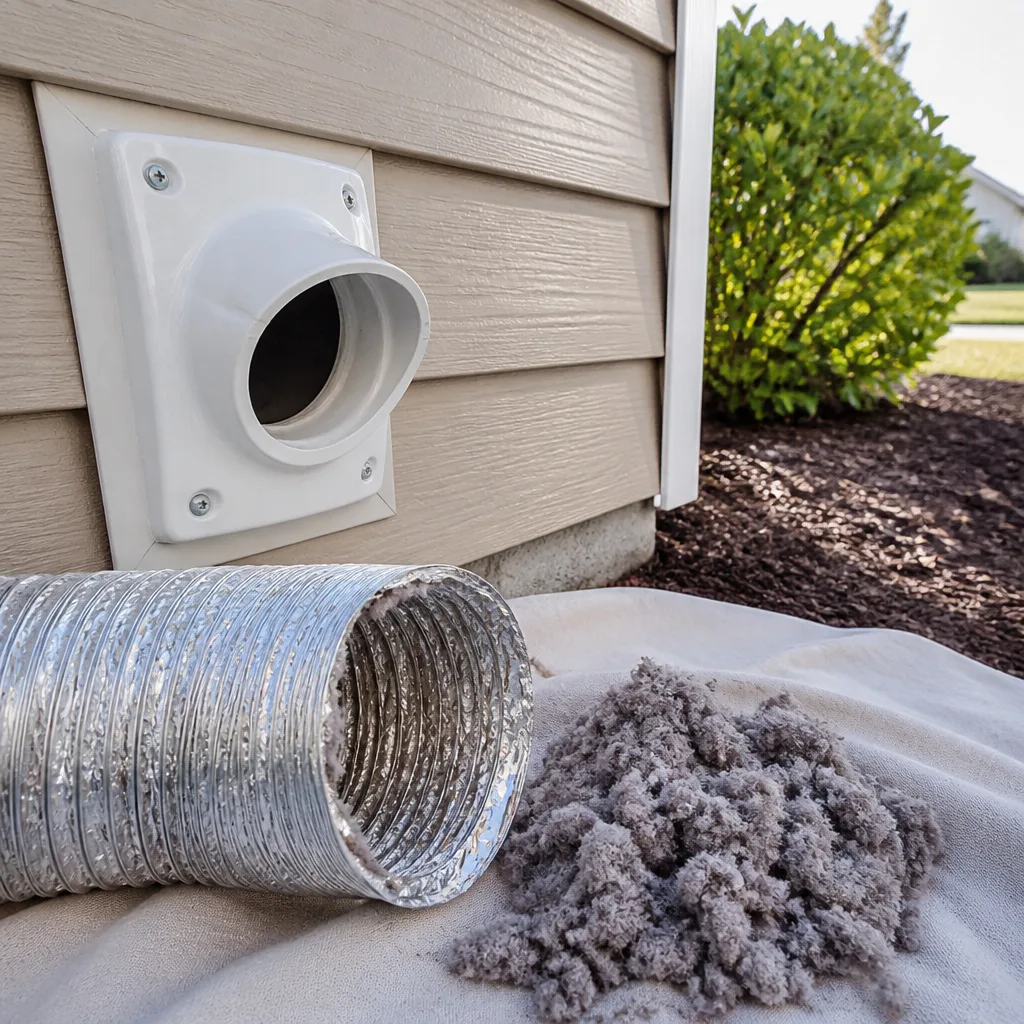 Dryer vent cleaning
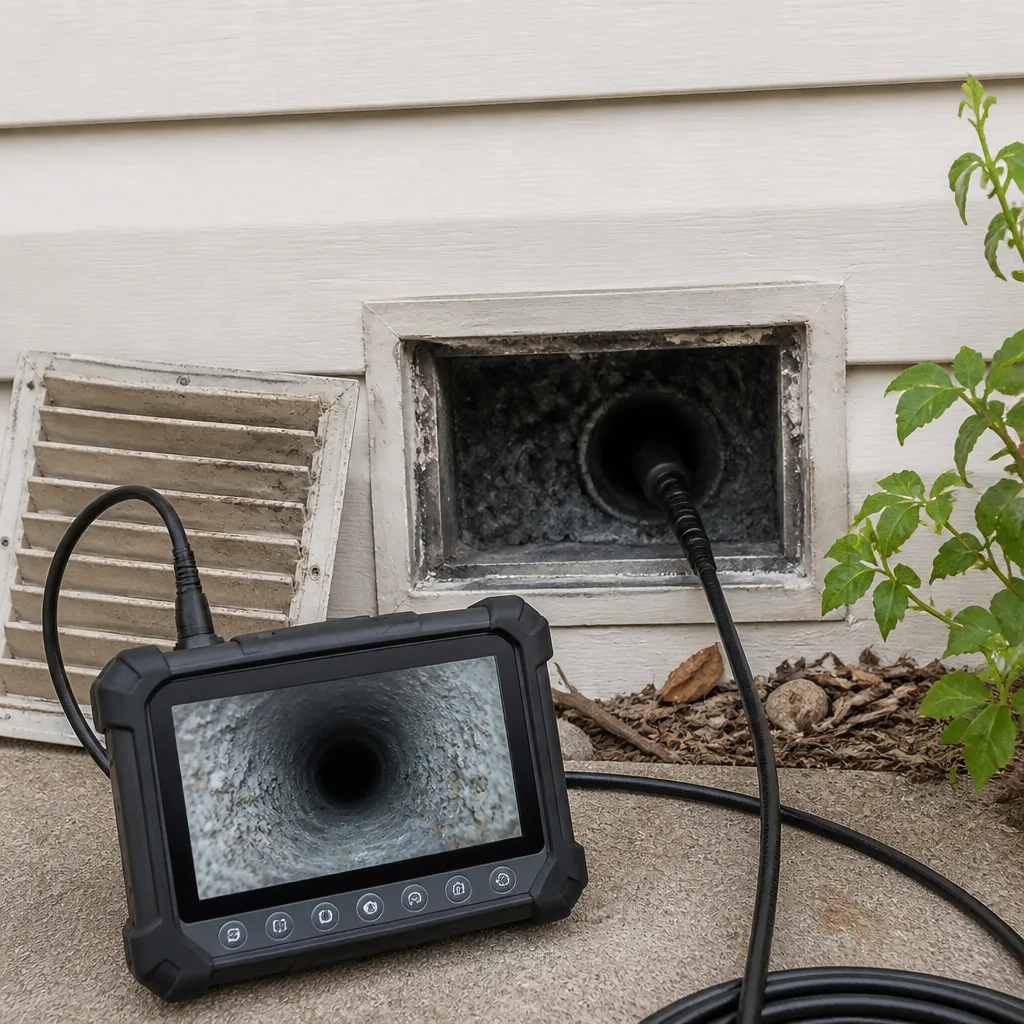 Camera inspection
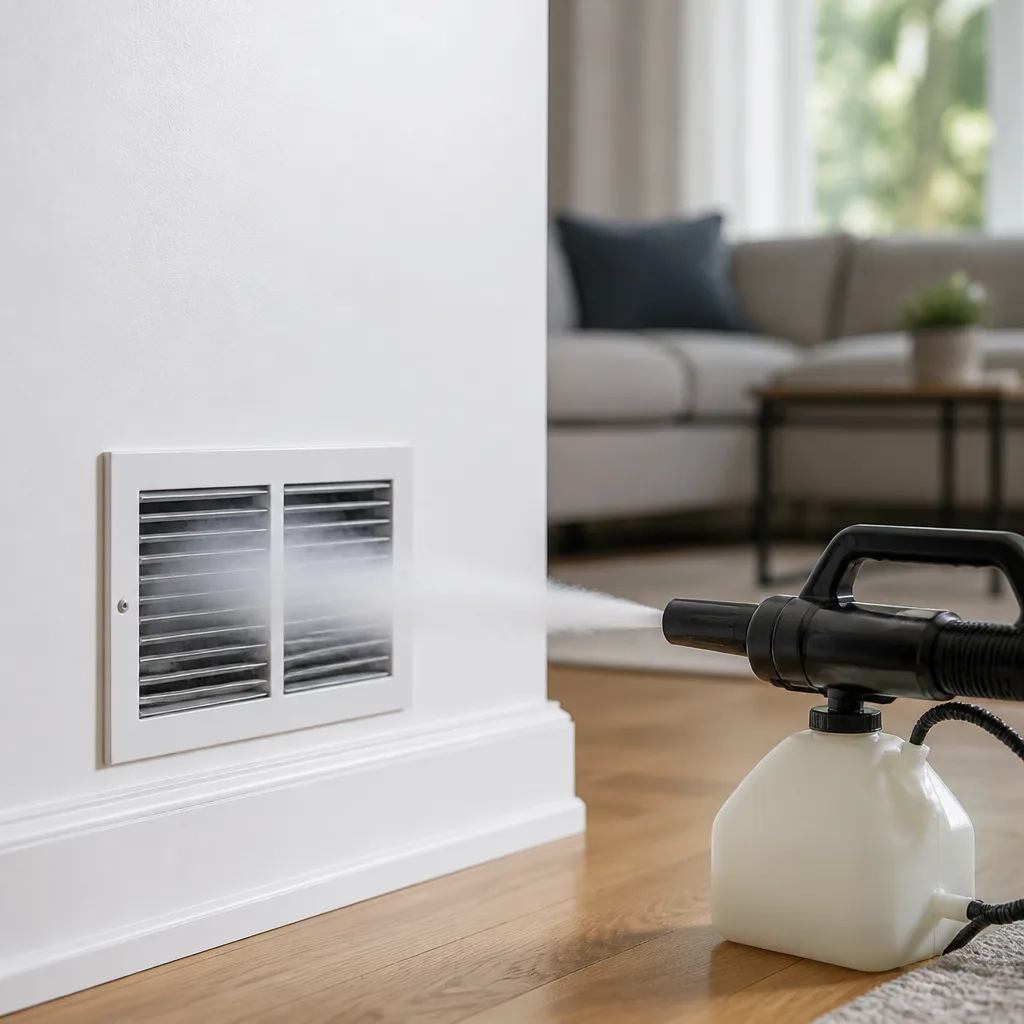 Sanitizing & deodorizing
Whole-system duct and dryer vent check with before-and-after photos - you see exactly what came out of your vents
That "$99 whole-house special" is a bait ad - the real number appears once they are in your hallway, or the "clean" is a shop-vac at the register. We photograph the inside of your ducts before and after instead.
Air Duct Cleaning Troubleshooting in High Point: Common Problems and How to Fix Them
Most people who call us about dirty ducts have already decided what the problem is. They hear a rattle, catch a smell, notice the bedroom never gets cool, and land on the same conclusion: the ducts must be filthy. Sometimes that’s right. Often it isn’t. A weak airflow complaint in a High Point home can come from a clogged filter, a failing blower, a coil packed with dust, or a flex duct that collapsed behind a wall years ago. Cleaning a duct system that isn’t the actual culprit fixes nothing and costs money. This guide teaches you to read your system’s symptoms the way a technician does, so you can tell contamination apart from equipment failure before you spend a dollar or make a call.
Quick Answer
Air duct problems in High Point usually fall into two buckets: contamination (dust, debris, and odor inside the ductwork) and mechanical failure (blower, coil, filter, or a damaged duct section). Cleaning fixes the first. Repair or HVAC service fixes the second, and sometimes you need both. The way to tell them apart is a proper pre-cleaning inspection with camera equipment and pressure testing, not a flashlight held to a register. Duct Cleaning High Point offers free estimates and can diagnose which problem you actually have. Call (888) 804-6957. We answer 24/7. Fast dispatch from 7am to 7pm, Sunday through Friday.
Styles & brands we work with
- Whole-home duct cleaning
- Dryer vent cleaning
- Camera inspection
- Sanitizing & deodorizing
Table of Contents
- How to Tell Duct Contamination Apart from HVAC Failure
- Why High Point’s Humidity Makes Odor Common but Duct Mold Rare
- Reading Your Register and Return Patterns: Collapsed Duct Versus Dirty Duct
- What a Rotobrush Camera Inspection Reveals
- Post-Cleaning Airflow Benchmarks: What “Fixed” Actually Looks Like
- The Dryer Vent Problem That Gets Misdiagnosed as a Duct Issue
- When Cleaning Isn’t Enough and Duct Repair Comes First
- Building a Practical IAQ Routine for a Piedmont Triad Home
How to Tell Duct Contamination Apart from HVAC Failure
Start with where the symptom shows up. Contamination problems tend to be local to the vent: you see dust plumes, you smell something at a specific register, the grille itself has a dark ring of buildup. Mechanical problems are usually system-wide or zone-specific in a way that follows the duct run: one room is always weak, the whole house feels underpowered, or the airflow changes when the filter loads up. Here’s how we sort the two.
Signs the ducts themselves are the problem
- Visible debris or a dark film at the register grille that returns after you wipe it
- A musty or dusty smell that gets stronger when the system runs
- Dust settling on furniture faster than it did a year ago
- Visible dust clouds blowing from a supply register when the fan kicks on
- Cold or warm air that smells like the inside of an attic or crawlspace
Signs the equipment is the problem, not the ducts
- Weak airflow at every register in the house, not just one
- A blower that sounds labored, cycles on and off, or never reaches full speed
- A filter that clogs within weeks (a sign the return is pulling debris from somewhere)
- Frozen or iced coils in cooling season, or a coil that drips
- Uneven temperatures that persist even right after a cleaning
If your symptoms lean toward the second list, cleaning will not solve them. A technician should check the blower, the evaporator coil, the filter housing, and the return path before quoting any duct work. In our experience, roughly a third of the “dirty duct” calls we run in the Piedmont Triad turn out to be a filter or coil issue that a homeowner has been blaming on the ductwork. Any air duct cleaning professional who starts the vacuum before checking the equipment is guessing.
Why High Point’s Humidity Makes Odor Common but Duct Mold Rare
High Point sits in the humid Southeast, and our summers push moisture into every part of a house. That has a real effect on HVAC systems: condensing coils, drain pans, and return plenums run wet for months. Homeowners often interpret a musty smell as duct mold. In most cases it isn’t. What it usually is: a coil or drain pan that isn’t draining, a filter that stayed damp, or condensation sitting in a low spot in the ductwork. Actual mold growth inside residential ductwork is comparatively rare because the interior of a duct stays dry during cooling season and dries out during heating season.
Where the musty odor usually comes from
- The evaporator coil. A wet coil with dust on it is the most common source of musty smell we find in High Point homes.
- The drain pan and condensate line. Standing water in the pan, or a clogged line that backs up, gets musty fast.
- The return plenum. Dust settles on the interior surface and picks up humidity from the air moving past it.
- A wet filter. A filter that got damp from condensation or a roof leak starts to smell within days.
Negative-air pressure testing tells you which one. When we pull a return under negative pressure with a unit system like Abatement Technologies equipment, we can see whether the smell is coming from the duct interior or from upstream of it. If the smell persists with the fan off but the ducts under pressure, that points to the equipment. If the ducts themselves off-gas when pressurized, that points to contamination in the ductwork.
What we don’t do is tell a homeowner they have “toxic mold in their ducts” the moment we smell something. That’s the classic scare tactic, and it doesn’t survive an actual inspection. Our approach: find the source, then fix it. That’s why we install and service Honeywell and Aprilaire IAQ products – adding a dehumidifier or upgrading filtration is often the real fix when humidity is the driver, not a duct cleaning.
Reading Your Register and Return Patterns: Collapsed Duct Versus Dirty Duct
Here’s the pattern most homeowners miss: a collapsed flex duct and a dirty duct section look similar at the register. Both produce weak airflow. The way to tell them apart is where the weakness sits and how it responds to the system.
Collapsed flex duct: the pattern
- One register is drastically weaker than the rest, even when the system is running well
- The room the duct serves has never heated or cooled well since the house was built or the duct was installed
- The weakness doesn’t change when the filter is fresh
- You may hear faint whistling or a flutter at the register, or nothing at all
Dirty duct section: the pattern
- Airflow drops gradually over months, not suddenly
- Multiple registers on the same trunk line are weak, not one
- Airflow improves noticeably right after a filter change
- You see dust buildup on the grille or smell something when it runs
Why this matters in High Point: much of the housing stock here was built or ducted during the flex-duct era, and flex runs through hot attics and crawlspaces where they sag, kink, and get crushed by insulation or stored items. A collapsed flex section cannot be fixed by cleaning. Cleaning a crushed duct and then handing the homeowner a bill is the worst possible outcome. That’s why we inspect first and, if a duct section is collapsed or torn, we recommend air duct repair as a standalone service before any cleaning.
What a Rotobrush Camera Inspection Reveals
A flashlight at the register tells you what’s within six inches of the grille. A Rotobrush camera inspection tells you what’s happening in the trunk line, the branch runs, and the return path – the parts you can’t see from either end. That difference matters most when the problem is somewhere in the middle of a run.
What the camera actually shows
- Debris distribution. Thick dust on the bottom of horizontal runs but clean tops. That’s normal. Thick dust on all sides means airflow has been restricted.
- Flex duct condition. Kinks, tears, disconnected collars, and crush damage where insulation was pressed down.
- Joints and seams. Gaps at fittings that pull in attic or crawlspace air and push it into a room.
- Moisture. Standing water, water stains at the bottom of a low run, or a wet filter housing behind the return.
- Pest evidence. Rodent droppings, nesting material, or insect debris – a real health concern that needs remediation beyond routine cleaning.
- Post-cleaning verification. Before-and-after footage of the same section, so you see the result, not a verbal claim.
This is the step that separates a technician’s diagnosis from a homeowner’s guess. A Rotobrush system with a camera gives us a documented record of what was in the duct before we touched it, and what it looked like after. We show you what we find. That’s not a marketing line – it’s the difference between a real inspection and a vacuum-and-invoice.
Post-Cleaning Airflow Benchmarks: What “Fixed” Actually Looks Like
“Fixed” needs a number. Airflow is measured in cubic feet per minute (CFM), and a duct system either delivers what the equipment was designed for or it doesn’t. A licensed HVAC technician can measure CFM at the supply plenum and at individual registers. For most residential systems, register airflow measured with a balancing hood should land close to the design value for that run, and the total supply airflow should roughly match the blower’s rated output.
How to verify a cleaning actually worked
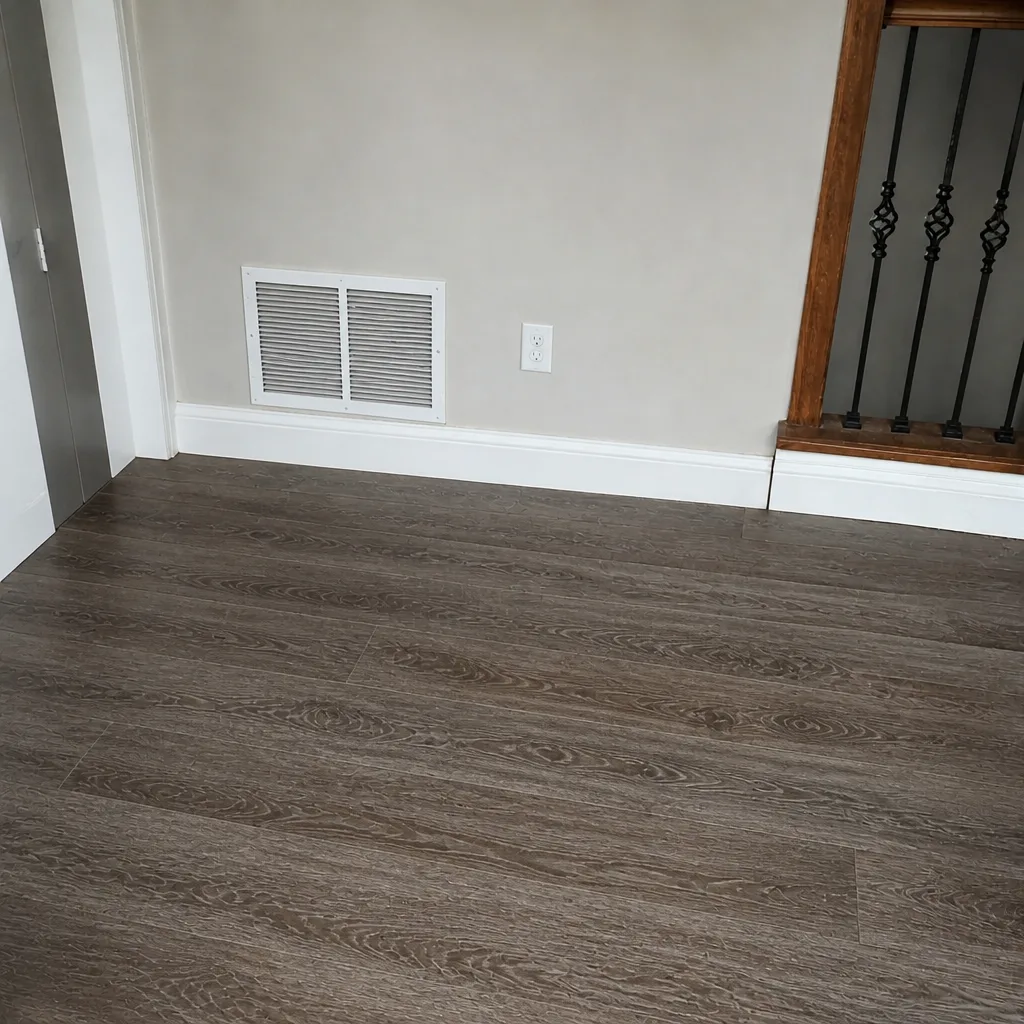
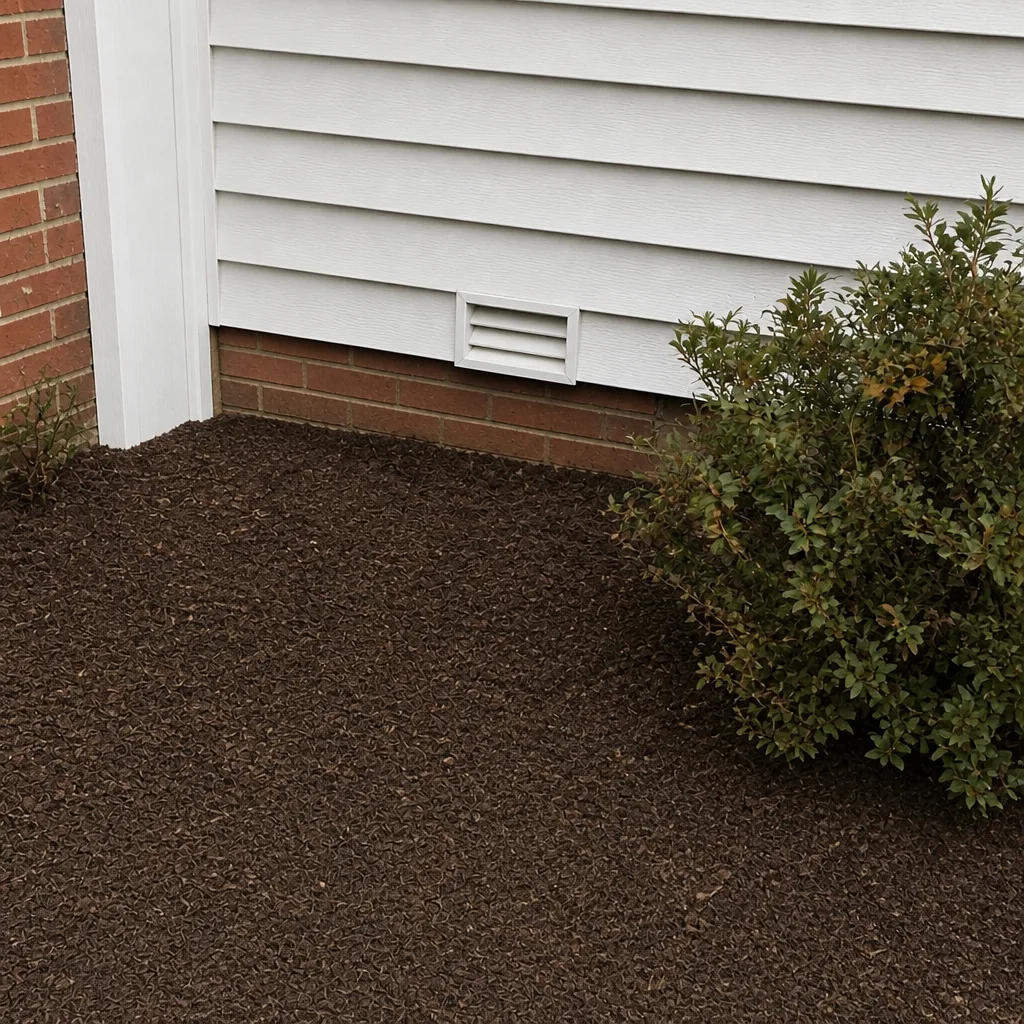
- Ask for before-and-after photos of your own ductwork – not stock images. Any legitimate contractor can produce them from your address.
- Compare airflow at the weakest register before and after. If the room that was always weak is still weak, the duct run wasn’t the problem.
- Check the static pressure. A technician can measure pressure drop across the filter, coil, and duct system. High static pressure means something is restricting flow, whether that’s a loaded filter or a clogged duct.
- Watch for the smell test. A musty odor that persists after cleaning means the source wasn’t the ducts.
- Look for dust reintroduction. If the system pushes dust into rooms within a week of a cleaning, the issue is a leak or a blower/filter problem, not residual debris.
In our experience running these readings on High Point homes, a genuinely contaminated system that gets properly cleaned usually shows a measurable airflow improvement within the first heating or cooling cycle. What we don’t do is claim a percentage improvement we can’t back up – we measure, and we show you the number. If the airflow doesn’t improve, we tell you why.
The Dryer Vent Problem That Gets Misdiagnosed as a Duct Issue
Dryer vent problems look like duct problems from the outside. The dryer takes longer to dry a load, the laundry room feels humid, and there’s a faint musty smell. Homeowners assume the air duct system is the culprit when the actual problem is a clogged dryer vent line. That’s a safety issue, not a comfort issue, and it deserves its own inspection.
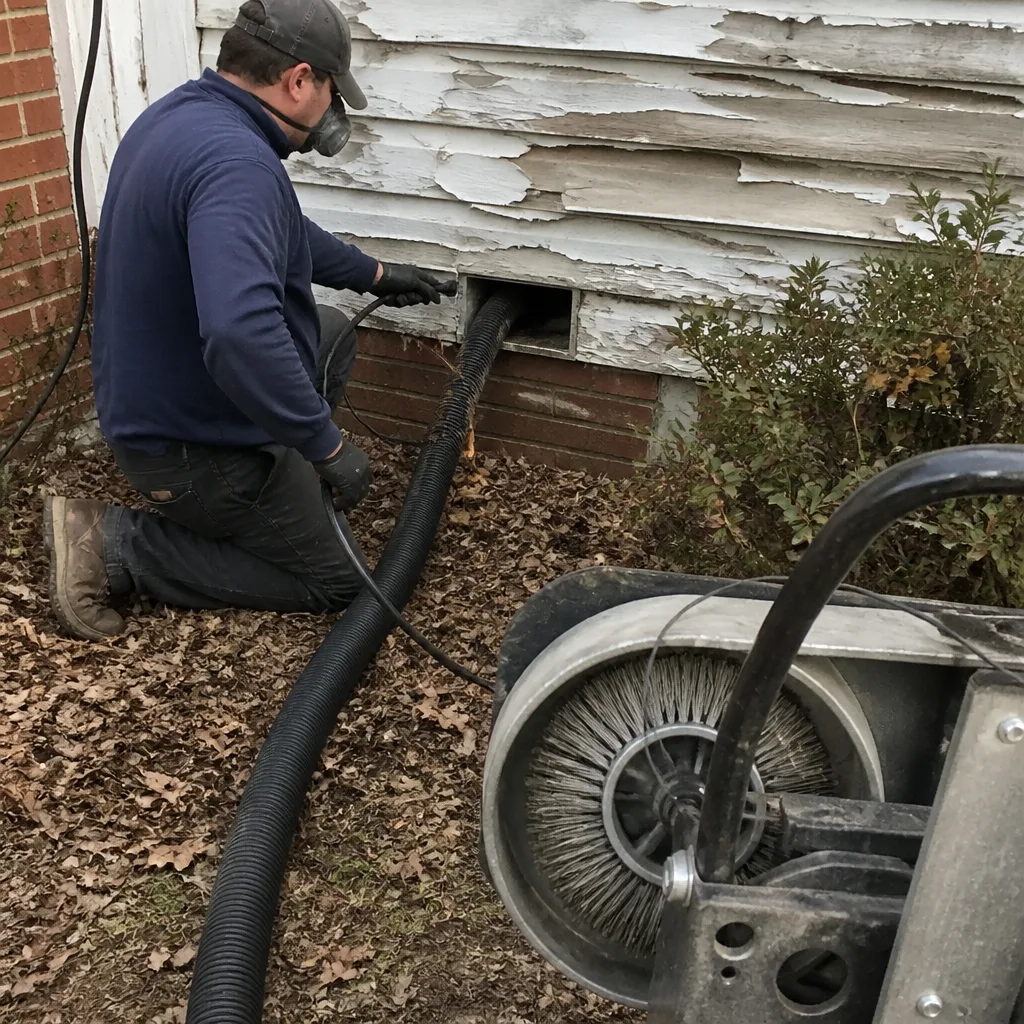
A blocked dryer vent is a fire hazard. Lint accumulates in the vent line, especially in the corrugated flex vent common in High Point homes, and a dryer that can’t push exhaust air out gets hotter than it should. The warning signs are dry times creeping up, clothes that feel damp at the end of a cycle, a hot dryer exterior, and a vent flapper outside that doesn’t open fully. If you notice any of these, treat it as urgent and get the vent checked before you run another load.
We approach dryer vent work with the same equipment focus we bring to duct cleaning: a proper inspection of the full run from the dryer to the exterior, and cleaning that removes the lint from the entire line, not just the first few feet. It’s a natural extension of what we do and one of the most important safety services in a home. Dryer vent cleaning is a dedicated service for us because the fire risk is real and the equipment matters.
When Cleaning Isn’t Enough and Duct Repair Comes First
Some duct problems can’t be cleaned into compliance. A collapsed flex run, a disconnected collar, a torn duct in a crawlspace, or a section that’s been crushed by stored items has to be repaired before cleaning makes any sense. Cleaning first and repairing never means you paid for a service that didn’t fix the actual issue.
Problems that require repair before cleaning
- Disconnected or separated duct sections at joints or collars
- Flex duct that’s been crushed, kinked, or torn
- Duct runs that leak into an unconditioned attic or crawlspace
- Ductwork that’s been modified poorly by a previous homeowner or contractor
- Moisture or pest damage that has compromised the duct material
The order matters. A proper inspection tells you which problems are contamination and which are structural. If the inspection reveals structural damage, we recommend repair first, then cleaning. That’s a less common approach in the industry because most duct cleaning companies don’t offer repair as a standalone service. We do, and it’s often the only honest answer for a home with genuinely damaged ductwork. Call (888) 804-6957 for a free estimate and we’ll walk you through what the inspection found.
Building a Practical IAQ Routine for a Piedmont Triad Home
Most of the problems in this guide come from missing a simple maintenance rhythm, not from anything exotic. A few habits keep a High Point home’s air system working the way it was designed to and make troubleshooting much easier when something does go wrong.
A seasonal routine that works
- Check or change the filter on the manufacturer’s schedule. In High Point’s dust and pollen season, that often means more often than the box says.
- Look at the return grille monthly. A dark ring of dust means debris is being pulled in from somewhere upstream – worth a camera inspection.
- Inspect the dryer vent flapper each season. If it doesn’t open fully, get the line checked.
- Watch for airflow changes. A room that gets progressively weaker is a duct repair issue; one that’s always been weak is a design or a collapsed run.
- Get a professional inspection periodically, not just after symptoms appear. A camera check catches crushed flex ducts, tears, and moisture before they show up as a comfort complaint.
We carry Guardsman-grade cleaning protection standards into duct and surface work, and we use Abatement Technologies negative-air equipment when a job calls for contamination control. The equipment determines what a cleaning can actually remove. Consumer-grade vacuums and shop vacs don’t move enough air to pull debris out of a trunk line, and they often send fine dust back into the house. That’s why taking a name-brand Rotobrush or Nikro unit into a home matters more than a low quote does.
Common Mistakes to Avoid
- Blaming every airflow problem on the ducts. A clogged filter, failing blower, or dirty coil produces the same symptom. Check the equipment before you schedule a cleaning.
- Assuming a musty smell means mold in the ducts. It usually means a wet coil, a drain pan, or a damp filter. Negative-air pressure testing tells you which one it is.
- Skipping a camera inspection to save money. A cleaning without an inspection can miss a collapsed flex section or a disconnected collar entirely. You end up paying for work that didn’t fix the real problem.
- Letting a dryer vent clog go unaddressed. A blocked dryer vent is a fire risk. Long dry times and a hot dryer exterior are warning signs worth acting on.
- Hiring on price alone. A low quote that turns into a larger invoice once the technician is on site is the industry’s most common complaint. Ask what equipment is being used and whether you’ll see before-and-after photos of your own ductwork.
- Cleaning a damaged duct system. If a duct section is collapsed or torn, repair comes first. Cleaning a broken system wastes money and leaves the actual problem in place.
- Ignoring the return side of the system. Most of the contamination we find in High Point homes lives on the return path, not the supply side. A cleaning that skips the return misses the bulk of the problem.
See the difference
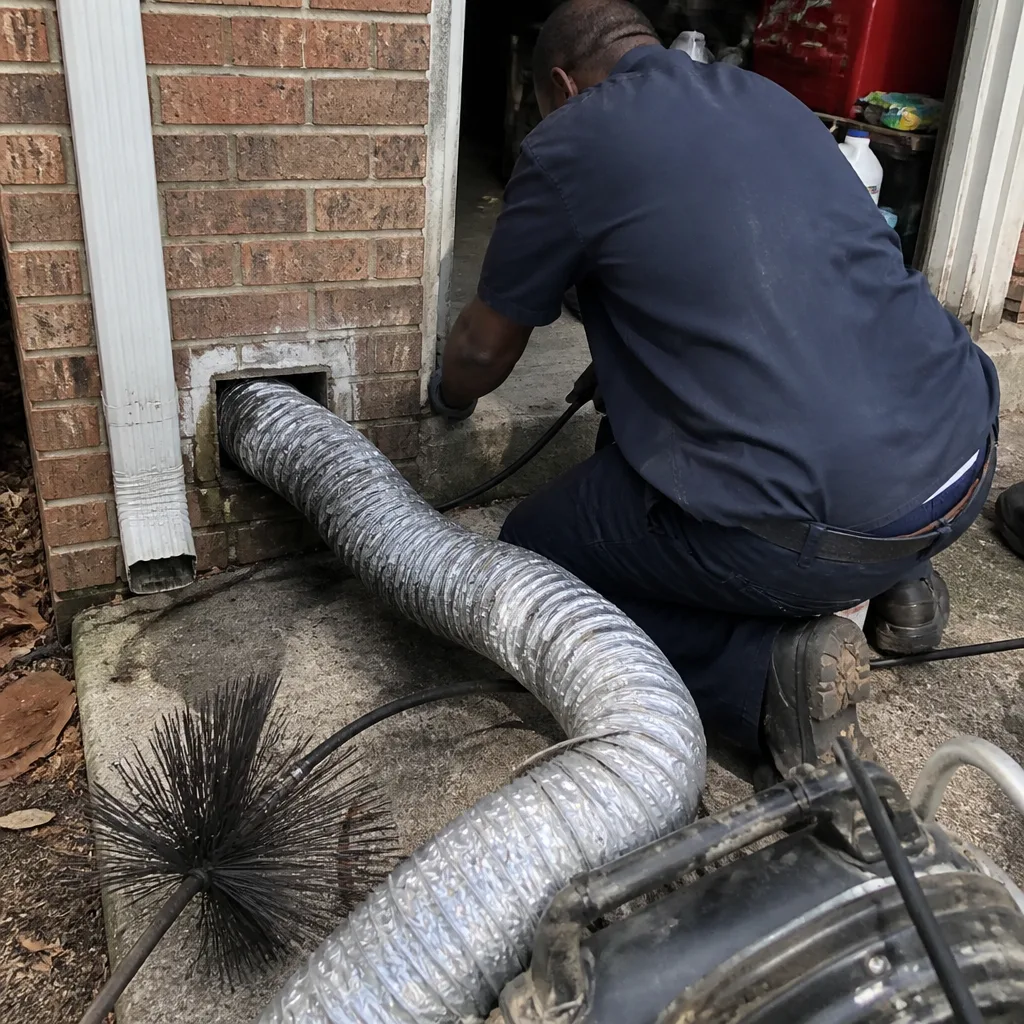 Before
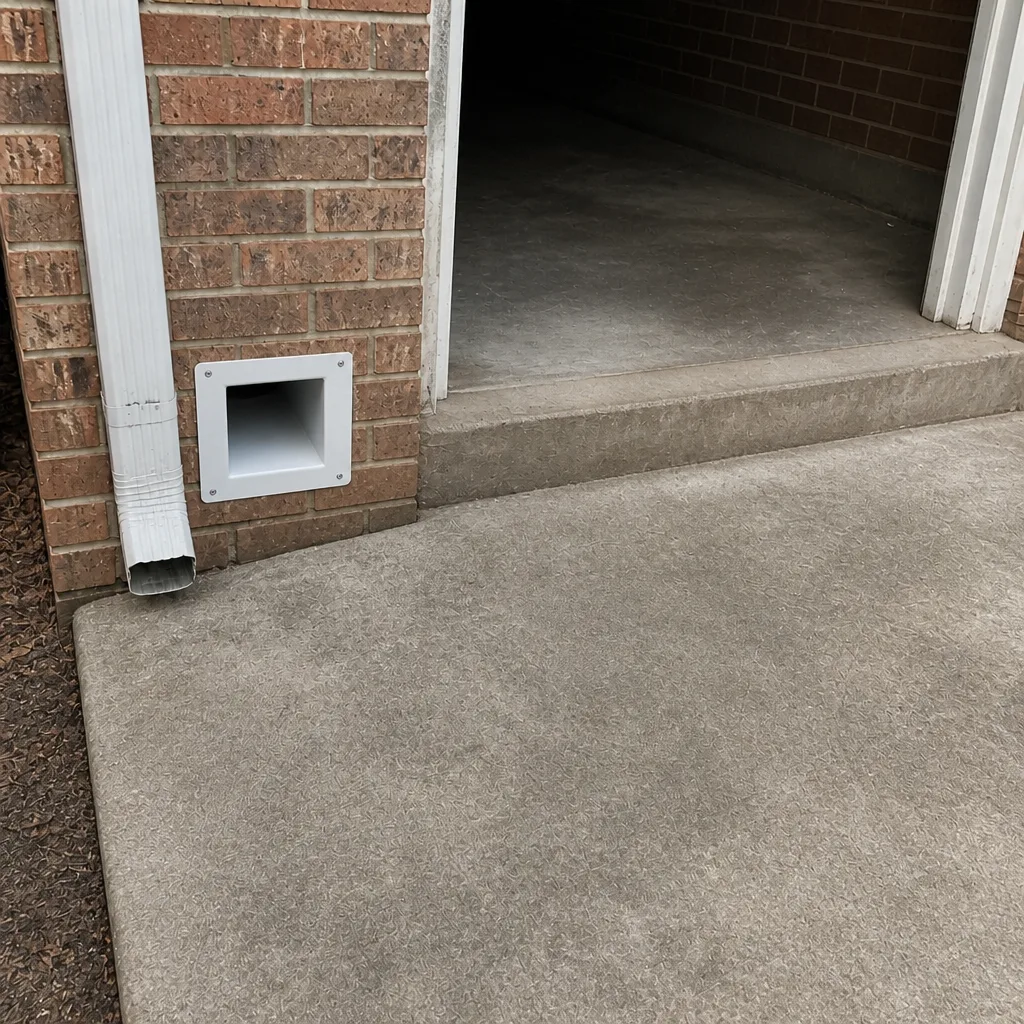 After
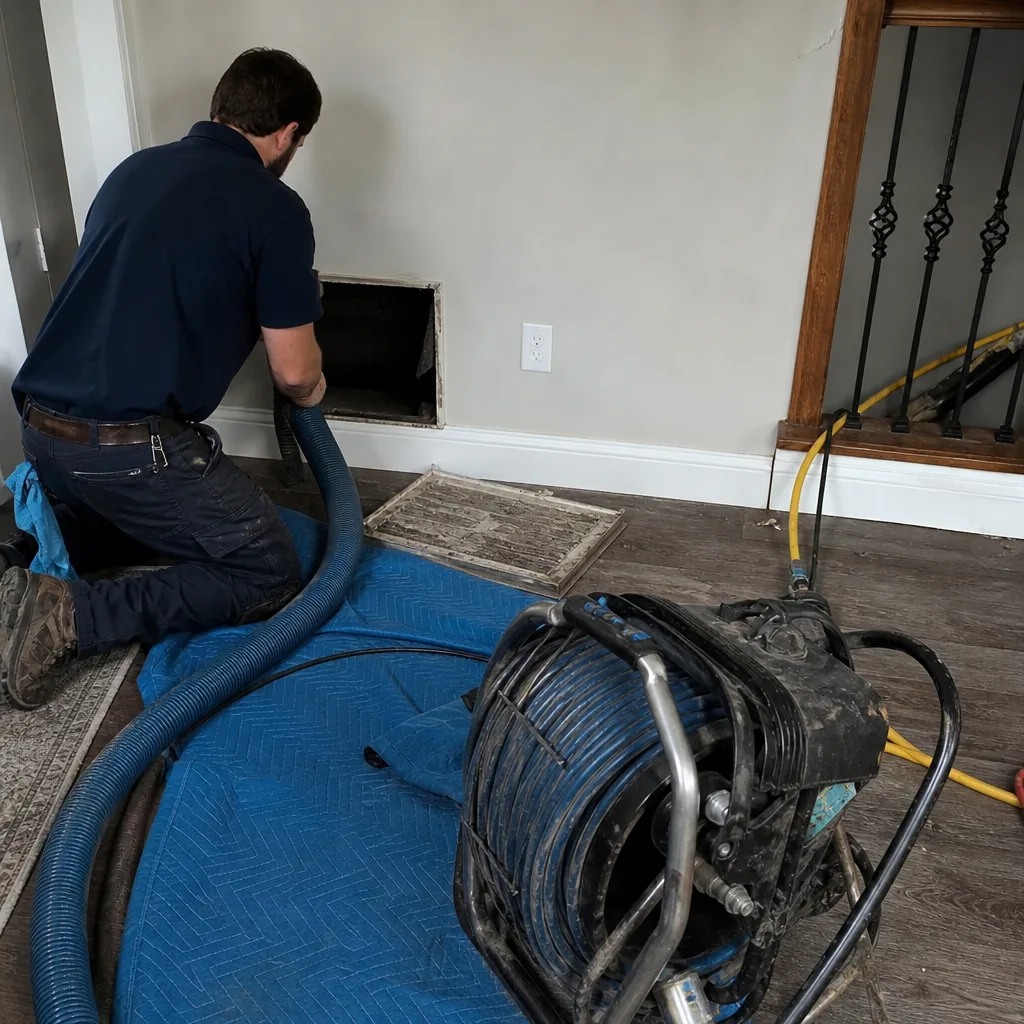 Before
 After
 Before
 After
When to Call a Professional
Call a professional when the symptom points to contamination you can’t clear yourself, when airflow drops across the whole system, when you smell something that doesn’t go away, when the dryer takes longer than it used to, or when a camera inspection reveals a structural problem in the ductwork. Don’t call when a fresh filter and a quick look at the coil resolves the issue – that’s a homeowner fix, not a service call. Our technicians have up to experience and can tell the difference between the two quickly. Duct Cleaning High Point offers free estimates in High Point. Call (888) 804-6957. We answer 24/7. Fast dispatch from 7am to 7pm, Sunday through Friday. For more on our main services, see duct cleaning in High Point.
Frequently Asked Questions
Look at where the symptom shows up. Debris at the registers, a smell that strengthens when the fan runs, and dust buildup on grilles point to the ducts. Weak airflow everywhere, a filter that clogs fast, or an iced coil point to the equipment. A camera inspection settles it. Call (888) 804-6957 for a free estimate – estimates are free.
The musty smell in most High Point homes comes from a wet evaporator coil, a drain pan that isn’t draining, or a filter that stayed damp, not from mold inside the ductwork. High humidity drives those conditions more often than contaminated ducts do. Negative-air pressure testing confirms which source is producing the smell. Call (888) 804-6957 to get it tested.
Yes. Both produce weak airflow at a register, but the patterns differ. A collapsed flex run tends to hit one register hard while the rest of the system is fine, and the weakness doesn’t change with a fresh filter. A dirty duct run shows up as gradual airflow loss across multiple registers and improves with a filter change. Cleaning won’t fix a collapsed duct; air duct cleaning and repair are separate services for a reason.
It means the airflow at your registers measures close to the system’s design values and the contamination you saw before is gone. Ask for before-and-after footage of your own ductwork, and check that the register that was always weak is measurably better. If it isn’t, the problem wasn’t the ducts. Call (888) 804-6957 for a free estimate and we’ll show you what we find.
It’s a separate service but the same equipment focus. Dryer vents clog with lint and become a fire hazard, and dry times getting longer or a hot dryer exterior are the warning signs. We treat dryer vent cleaning as a dedicated service because the fire risk deserves its own inspection. Call (888) 804-6957 to schedule one.
It depends on the inspection. Torn, disconnected, crushed, or moisture-damaged ductwork needs repair before cleaning. Intact ductwork with dust and debris needs cleaning. A camera inspection tells you which one you’re facing. Reach out to our team in High Point for a free estimate and we’ll walk you through the findings. Call (888) 804-6957. We answer 24/7. Fast dispatch from 7am to 7pm, Sunday through Friday.
The Bottom Line
Most duct problems in High Point homes are diagnosable before you spend money. Separate contamination symptoms from equipment symptoms, check the return path, and get a camera inspection before a cleaning. Watch for the signs of a collapsed flex duct versus a dirty one, and don’t skip the dryer vent. High humidity in the Piedmont Triad makes musty odors common, but that’s usually a wet coil or filter, not mold in the ductwork. Professional-grade equipment – Rotobrush, Nikro, and Abatement Technologies – is what lets a proper inspection and cleaning happen. If you want a straight answer about what’s going on with your system, get a free estimate. Call (888) 804-6957. We answer 24/7. Fast dispatch from 7am to 7pm, Sunday through Friday.
Written by the team at Duct Cleaning High Point.