
Last updated November 15, 2026
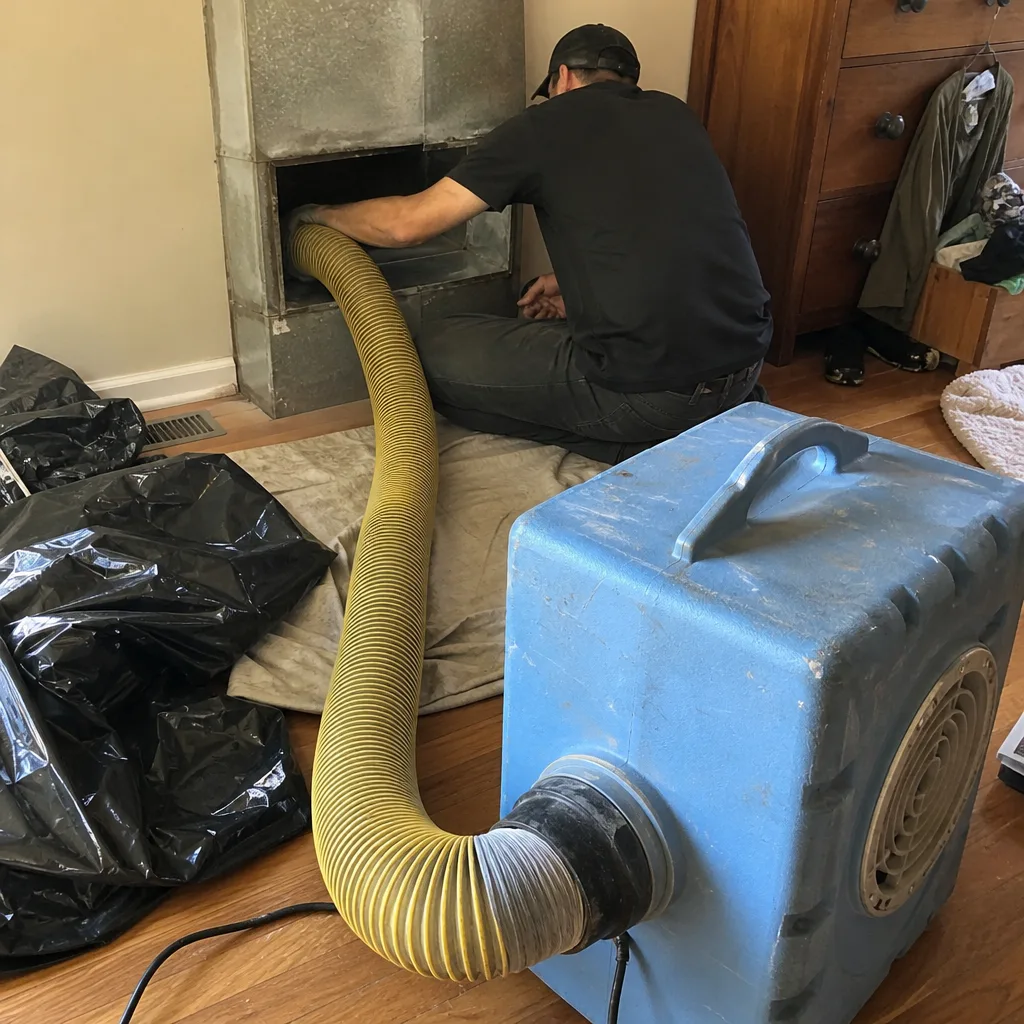
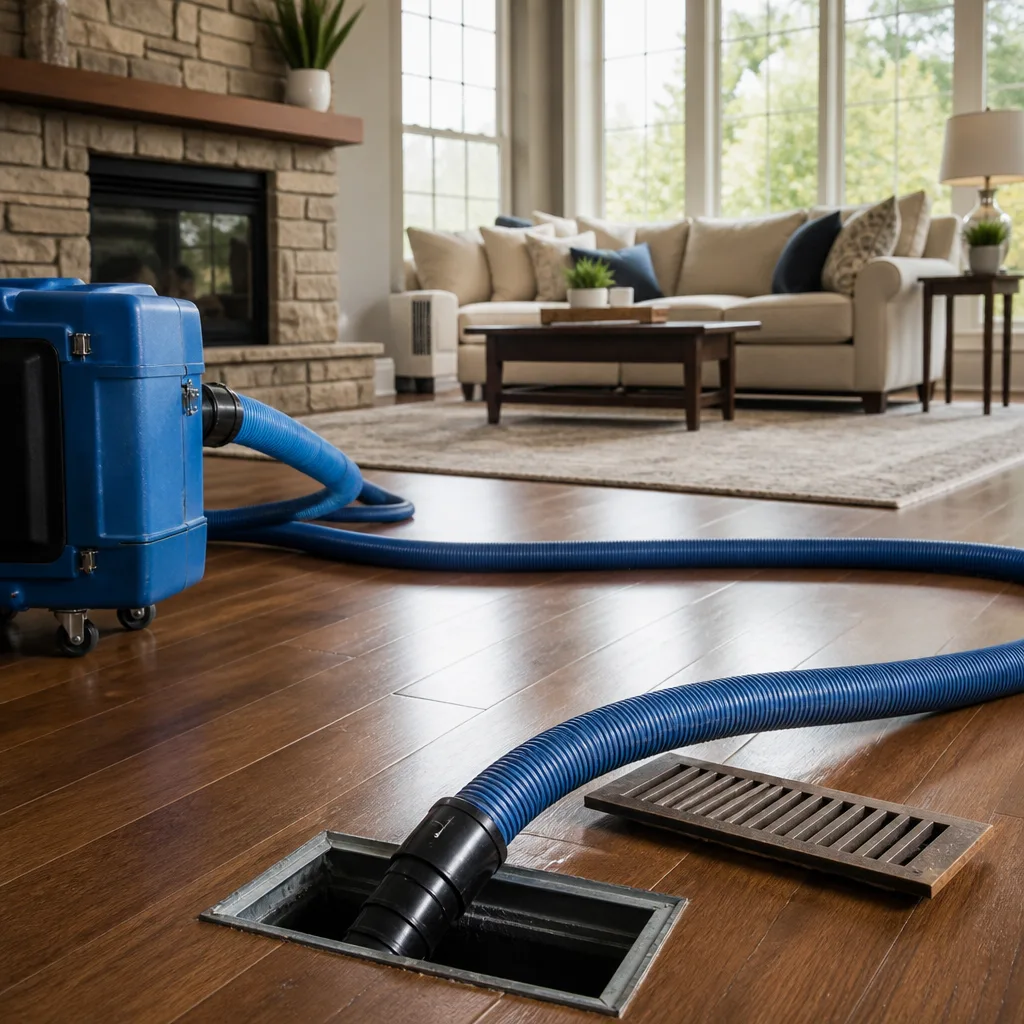 Whole-home duct cleaning
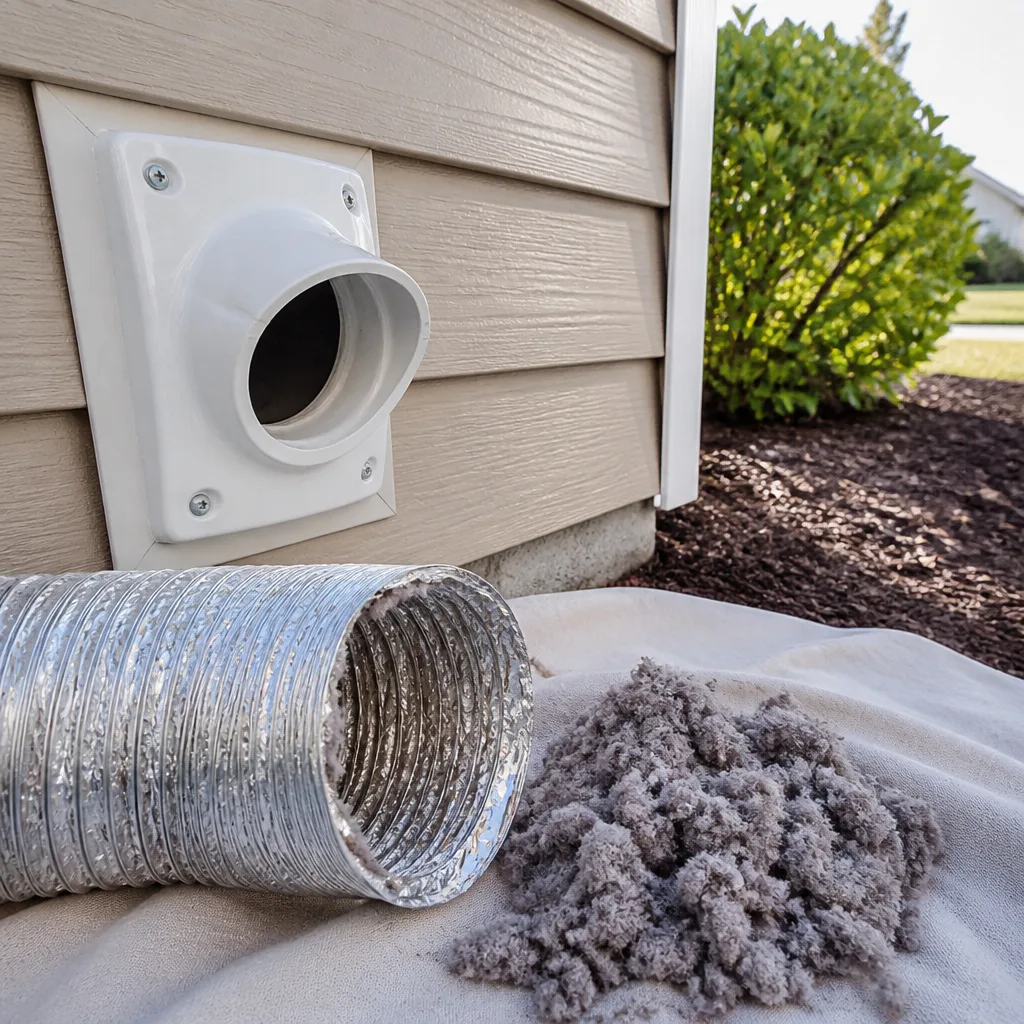 Dryer vent cleaning
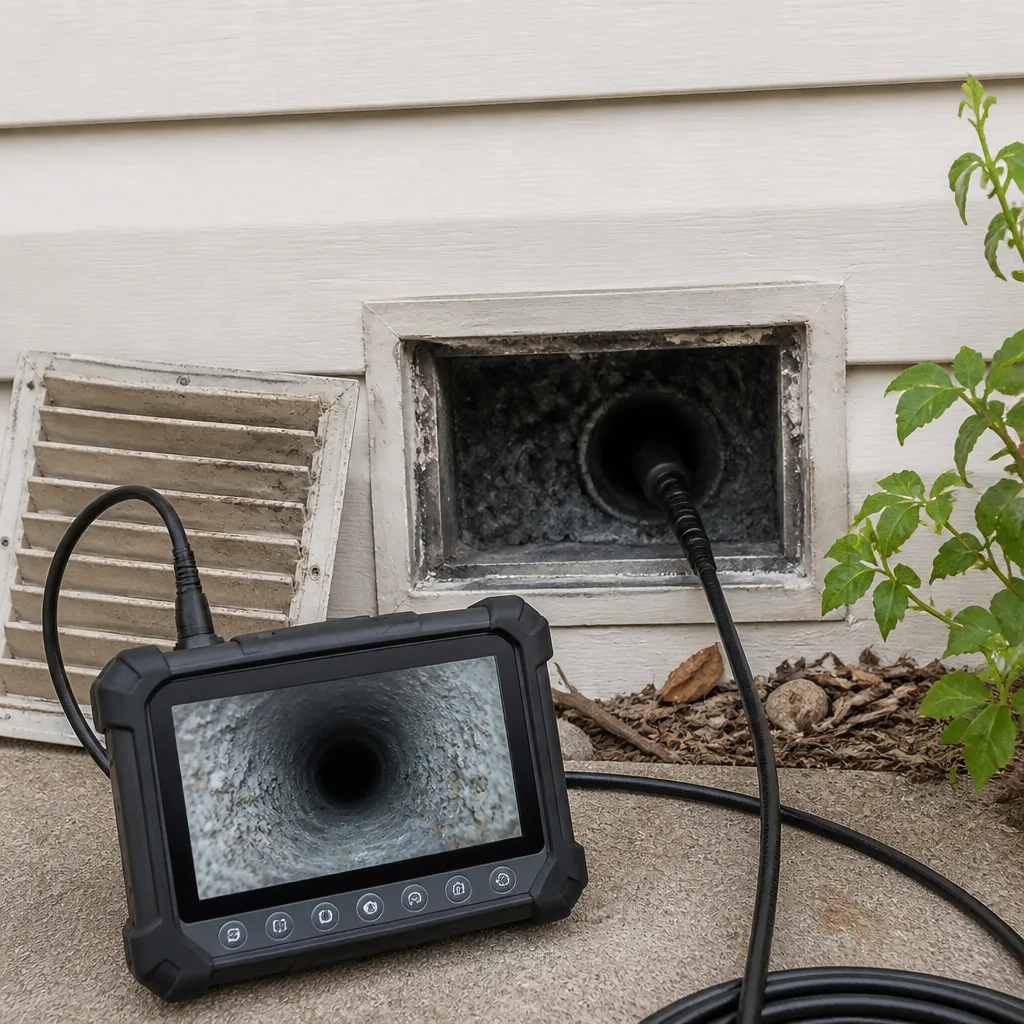 Camera inspection
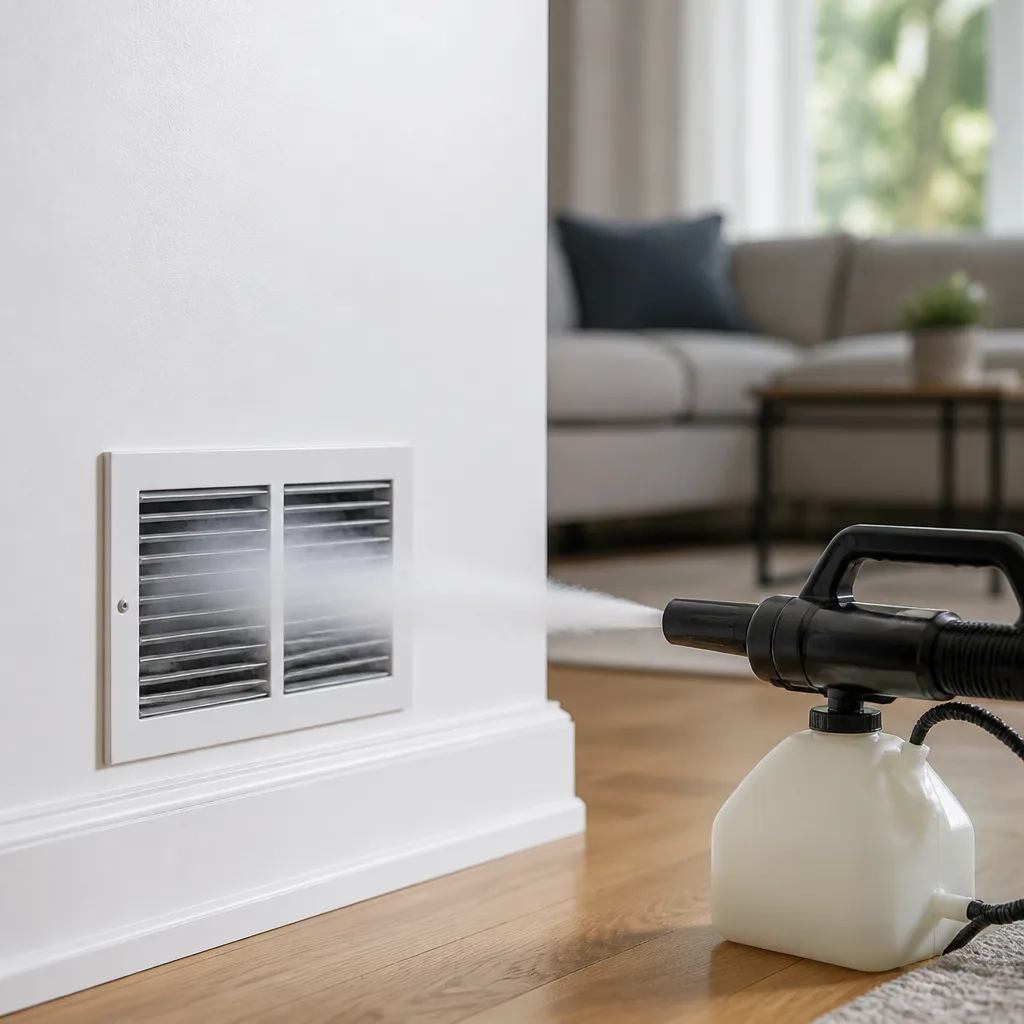 Sanitizing & deodorizing
Whole-system duct and dryer vent check with before-and-after photos - you see exactly what came out of your vents
That "$99 whole-house special" is a bait ad - the real number appears once they are in your hallway, or the "clean" is a shop-vac at the register. We photograph the inside of your ducts before and after instead.
How to Hire an Air Duct Cleaning Contractor in High Point: A Step-by-Step Guide
The $99 duct cleaning ad you keep seeing budgets about 45 minutes for a 2,000-square-foot home. A proper negative-pressure cleaning of that same house takes three to four hours minimum. That gap is the entire story of this industry. It tells you exactly what gets skipped: containment setup, source agitation, the blower compartment, the return plenum. When those steps disappear, the crew isn’t cleaning your ducts, it’s stirring them. Loose debris that sat settled in the trunks gets pushed into the supply runs and drifts out of your registers for days afterward. This guide is built to keep that from happening in your High Point home. You’ll get the exact phone questions, the on-site checks, and the post-job verification steps that separate a contractor with real equipment from a coupon-driven pass-through operation.
Quick Answer
Hire an air duct cleaning contractor in High Point by verifying three things before anyone touches a register: the collection equipment (a truck-mounted or portable HEPA vacuum with real CFM, not a shop-vac on a cart), the agitation method (contact brushing for the branch runs, air whips where they fit), and whether negative pressure is established before the first register comes off. Ask for a pre-job camera inspection and a written scope of work. If a quote arrives without a walkthrough, the price isn’t a price, it’s a guess. The written estimate should set the final amount, and a free on-site estimate is the industry norm.
Styles & brands we work with
- Whole-home duct cleaning
- Dryer vent cleaning
- Camera inspection
- Sanitizing & deodorizing
Table of Contents
- Why the Hiring Decision Matters More Than the Price
- The Pre-Hire Phone Script: Three Questions That Filter Most Contractors
- What to Look For When the Technician Arrives
- Red Flags Specific to the Duct Cleaning Industry
- North Carolina Licensing and What NADCA Really Means
- Reading a Written Scope of Work Line by Line
- Post-Job Verification: How to Confirm the Work Was Done
- When Cleaning Reveals Damage: Duct Repair as the Next Step
Why the Hiring Decision Matters More Than the Price
Duct cleaning is different from most home services because the failure mode is silent. A bad plumbing repair leaks. A bad electrical job trips a breaker. A bad duct cleaning can look complete and leave your house worse off than before the crew arrived. The mechanism is straightforward. Settled dust in the trunk lines and plenum is stable. It’s not circulating. The moment a technician opens a register and starts agitation without negative pressure pulling air out of the system, that dust becomes airborne. It travels through the supply runs and out into the rooms where your family sleeps.
That’s why the equipment question comes first. Professional-grade collection systems from Rotobrush and Nikro are built to hold negative pressure across the whole duct network while agitation loosens debris from every surface. A shop-vac with a hose taped to a register doesn’t do that. Neither does a portable unit rated at a fraction of the CFM needed for a 2,000-square-foot High Point home with long trunk runs and multiple returns. The third piece is filtration. Abatement Technologies negative air machines and HEPA filtration units keep airborne contaminants contained during the work, which matters more in older houses where decades of dust, pollen, and pet dander have accumulated along the duct walls.
High Point’s climate adds its own wrinkle. The Piedmont’s humid summers mean your system runs hard from May through September, cycling a large volume of air through the same ducts. Humidity encourages dust to cling to duct interiors rather than stay loose, which is why contact agitation and not just airflow is needed to actually remove it. In our experience, homes in High Point that haven’t had ducts cleaned in a decade or more tend to have a visible film on the inside of the trunk line even when the registers look clean from below.
None of this makes duct cleaning complicated. It makes it specific. Specific equipment, specific steps, specific verification. The guide that follows gives you all three.
The Pre-Hire Phone Script: Three Questions That Filter Most Contractors
You can eliminate most of the wrong contractors with three questions on the phone, before anyone schedules a visit. Here’s the script. Use it word for word if that’s easier; the phrasing is deliberately direct so you can read a hesitation in the answer.
Question 1: “What collection equipment do you use, and what’s the CFM rating?”
You want a brand name and a number. Rotobrush, Nikro, or a comparable professional system with a truck-mounted or portable HEPA unit. If the answer is vague (“we use commercial vacuums”) or the number doesn’t come up (“I’d have to check”), that’s a signal. A contractor who runs industrial equipment knows its specs the way a mechanic knows the engine in their own car. If they name a system but hedge on the CFM, ask them to bring the spec sheet to the estimate. The number that matters is whether the collection unit can maintain negative pressure across the full duct network during cleaning, not just pull air from one register at a time.
Question 2: “What agitation method do you use – contact brushing, air whip, or both?”
Contact brushing is the standard for branch runs and main trunks where the brush can reach. Air whips work in areas a brush can’t navigate. A serious contractor uses both, chosen based on the duct layout they find on the walkthrough. If the answer is “we blow air through the system,” that’s not cleaning, it’s redistribution. The reason this question matters is that agitation is what actually separates debris from the duct wall. High-pressure air alone breaks the loose dust free but leaves the adhered film behind.
Question 3: “Do you establish negative pressure before you open any register?”
The correct answer is an immediate yes, followed by a brief explanation of how the collection unit connects to the system. Negative pressure has to be established at the air handler or main trunk before a single register comes off. That’s the containment step. If the contractor opens registers first and hooks up equipment afterward, dust escapes into the house during that window. Some contractors will tell you negative pressure is handled “throughout the job.” That’s not the same answer. You want to hear that the system is sealed and under vacuum before work begins.
Bonus Question: “Will you do a camera inspection before quoting?”
Ask this even though it’s not one of the big three. A contractor who arrives with a camera scope and shows you what’s actually inside your ducts is a contractor who has nothing to hide about what they’ll find. Someone who quotes over the phone without seeing the system is guessing, and the guess usually favors their margin, not your ducts. The written estimate should follow the inspection, not precede it.
What to Look For When the Technician Arrives
The phone call filters a lot, but the arrival tells you the rest. Look at what pulls into the driveway. A truck-mounted collection unit is the gold standard: it’s a large vacuum system built into the vehicle, with a hose that runs into the house. A portable HEPA unit on a cart is also acceptable for many High Point homes, especially where driveways are narrow or the air handler is in a part of the house a truck hose can’t easily reach. What you don’t want to see is a shop-vac on a hand truck with a length of dryer hose taped to it. That’s not a duct cleaning setup; that’s a wet-dry vacuum with ambitions.
Watch what the first fifteen minutes look like. Standard steps:
- The technician does a walkthrough with you and points out the air handler, main trunk, supply registers, and return grilles. They take notes or photos.
- They run a camera through at least one register and one main trunk to show you the condition. This is your “before” reference.
- They connect the collection unit to the air handler or main trunk and start the vacuum. You should hear the system change pitch, and you should feel suction at an open register if you put your hand near it.
- Only then do they start opening registers and agitating.
If the technician opens registers before the collection unit is running, stop the job. If they’ve never looked inside the ducts with a camera before starting work, ask them to. A proper contractor expects these questions. In our experience, the ones who push back on them are the ones who already know the answers won’t hold up.
Also ask about the air handler filter. Some crews will clean the ducts and leave the filter in place, which means the system starts filtering the moment the vacuum disconnects. Others pull the filter first, then reinstall at the end. Both can be correct, but the technician should be able to tell you which they’re doing and why.
Red Flags Specific to the Duct Cleaning Industry
The duct cleaning trade has its own set of warning signs, different from roofing or plumbing. Here are the ones that come up most often, and what each usually means underneath.
No pre-job camera inspection
A contractor who won’t run a camera through your ducts before quoting is either working without the equipment or doesn’t want you to see what’s in there. Both reasons matter. Camera inspection is a ten-minute step that establishes what condition your system is actually in, and it tells the technician which runs need brushing versus air whip. If the answer to “will you inspect” is “we can tell from the registers,” that’s not an inspection.
No written scope of work
You should get a document listing what will be cleaned: how many supply registers, how many return grilles, main trunks, plenum, blower compartment, and whether the air handler coil is included. Without that list, you have no way to verify the job was done. Verbal promises don’t hold up to a post-job inspection. The written scope is also the basis for the price: the written estimate sets the final amount, and any change requires your approval first.
Pressure to add chemical treatments on the first call
Some treatments are legitimate. Antimicrobials and sanitizers have a place after a confirmed microbial issue, which is why we install and service Honeywell and Aprilaire IAQ products that integrate with your HVAC system instead of relying on one-time chemical applications. But a treatment added on the first phone call, before anyone has seen your ducts, is a sales move. Real sanitizing follows a real inspection. If a contractor is bundling a treatment into the call before the walkthrough, ask them what problem they’re solving. The answer is usually “the one we’re creating.”
Coupon pricing with no system-level scope
You’ll see “$79 whole house” ads in High Point every week. Ask what “whole house” covers. The honest answer is that it covers one main trunk and a handful of registers, with every additional register priced separately. That structure is a bait-and-switch by design, because most homes have far more registers than the teaser price includes. A real quote prices the whole system, not per vent. If you’re quoted by vent count, the price at the end of the job won’t match the price at the start.
No containment or negative pressure setup
If the crew is using a portable vacuum that doesn’t reach negative pressure across the whole network, expect dust to push back into the house. Ask how they hold negative pressure during agitation. The good answer names the equipment. The bad answer is “we’re careful.”
North Carolina Licensing and What NADCA Really Means
Duct cleaning in North Carolina doesn’t sit under a single statewide license the way electrical or plumbing work does. That’s an important thing to know, because it means you can’t simply look up a license number to confirm a duct cleaning contractor is legitimate. The licensing landscape depends on what the contractor is actually doing. If they’re modifying ductwork, touching the air handler, or making HVAC repairs, that work may fall under North Carolina contractor licensing requirements for heating and air conditioning. If they’re cleaning only, the jurisdiction is murkier.
What you can verify:
- Ask which trade licenses apply to the specific work they’ll do. If duct repair is involved, the contractor should be able to tell you how that work is licensed, and be willing to put the answer in writing.
- Confirm general liability insurance. Ask for the certificate of insurance before work begins, not after. A legitimate contractor produces it without hesitation.
- Check your city’s contractor registration if they’re doing renovation-adjacent work. High Point and Guilford County both maintain contractor records for permitted work, and any structural duct modifications generally require a permit. If a contractor tells you a modified trunk line doesn’t need a permit, verify that with the city building department before letting them start.
NADCA membership is a separate question, and it’s more specific than people assume. NADCA (the National Air Duct Cleaners Association) sets the ACR standard, which is the industry’s reference for how duct cleaning should be performed: source removal, containment, agitation, and verification. A company’s NADCA membership indicates that it has agreed to work to that standard, which is meaningful. But membership alone isn’t proof the crew that shows up at your door is running the process correctly. Ask specifically: “Do you clean to the ACR standard?” and “Will you walk me through how your process maps to it?” A contractor who can answer that question in detail is running the standard. A contractor who can’t but has the badge up on their website is using it as decoration.
None of this replaces the three phone questions. Licensing and association membership are filters, but the equipment and process are what actually determine the outcome. If you’re evaluating a company that checks every box on this page but hesitates on the containment question, believe the hesitation.
Reading a Written Scope of Work Line by Line
The written scope of work is the contract. Read it carefully, because the gaps in it become the gaps in the cleanup. A thorough scope for a typical High Point home should address each of the following, either on the list or explained as not applicable:
- Supply registers and grilles: how many, and are they included in the base price or billed separately?
- Return grilles and plenum: the return side accumulates more dust than the supply side because it’s pulling from the living space. It should be in the scope.
- Main trunk lines: the large ducts that feed the branch runs. These hold the most settled debris.
- Branch runs: the smaller ducts to individual registers.
- Air handler and blower compartment: the blower wheel and cabinet often collect dust and should be cleaned or at least inspected.
- Evaporator coil: whether cleaning the coil is included, and if not, whether the contractor will flag condition issues.
- Negative pressure and containment setup: how the equipment connects and what steps are taken before registers are opened.
- Agitation method: brush, air whip, or both, and which areas get which.
- Camera inspection: before, during, and after, with photos shared with you.
- Final price: the amount agreed before work begins, in writing. Any additional work should require your approval first.
If the scope you’re handed is a one-line invoice with a price on it, ask for a real scope. If the contractor balks, that’s the answer to your question. The contractors worth hiring in High Point will hand you a document that lists each of these and expects you to read it. That’s the standard we hold ourselves to when we quote air duct cleaning in the area, and it’s the one you should expect from anyone else.
Post-Job Verification: How to Confirm the Work Was Done
The contractor says the job is done. Before you write the check, verify. This step is quick and it catches the difference between a thorough cleaning and a half-finished one. It’s also the step most homeowners skip, which is exactly why half-finished jobs get paid for.
Check the registers. Open each supply register and look inside the boot with a flashlight. The duct wall should be visibly clean: no dust film, no debris inside the boot, no cobwebs in the corners where the register mounts. Some dust settles back within days as the system runs, but a freshly cleaned boot should look different from an uncleaned one. If one register is clean and the next one isn’t, ask why.
Camera-inspect the blower compartment. Ask the technician to open the air handler access panel and photograph the blower wheel and the cabinet interior with a phone camera. If the blower compartment was in the scope, it should be visibly cleaner. If it wasn’t in the scope, ask explicitly whether the blower was inspected, because a clean duct system feeding a dusty blower wheel doesn’t accomplish much.
Capture the “after” photos. A serious contractor takes before-and-after photos of the ducts they cleaned and shares them with you. If the contractor didn’t photograph the before, they can’t show you the after. Ask up front that they do both, and if they hesitate, treat that as a scope note.
Test the system yourself. Turn the HVAC on and let it run. Listen for new noises (whistling, rattling) and check each register for airflow. A minor change in airflow is normal after cleaning. A significant drop, or a whistle at a specific register, is a sign a duct may have shifted or a damper was disturbed. Most of those issues resolve with a quick walkthrough, but they should be addressed before the contractor leaves.
Ask about damage assessment. When a system is cleaned for the first time in many years, the process can reveal existing issues: disconnected joints, crushed flex runs, deteriorated sealant at the boots. Ask the technician to point out anything they found. This isn’t a sales conversation; it’s an integrity check. A duct repair quote that emerges from a cleaning should be based on visible damage you saw with the camera.
When Cleaning Reveals Damage: Duct Repair as the Next Step
Duct cleaning shows you the condition of the system in a way nothing else does. What it sometimes shows is damage that has been quietly costing you efficiency for a long time. Disconnected flex runs in the attic, crushed sections from a poorly-run cable installation, degraded sealant at every joint behind the drywall, straps that have loosened and allowed ducts to sag. Cleaning alone can’t fix these; the cleaned system will keep leaking into the attic or crawl space no matter how thorough the vacuum was.
This is where duct repair becomes its own service, and where a lot of duct cleaning contractors stop short. If you’re hiring in High Point, ask whether the contractor offers High Point duct repair as a standalone service, and whether they’d quote it based on what the camera inspection found rather than on a guess. A cleaned but leaking system is still wasting the money you spent; a repaired system holds the cleaning result. The good contractors treat repair as a logical continuation of the cleaning, not a separate sales pitch that starts a new conversation about cost.
Two other services are worth evaluating at the same time. First, if you have a gas or electric dryer that has been in the house for years without dryer vent cleaning, the vent line is a documented fire and efficiency concern in its own right, and the same containment logic applies. Second, if you’ve considered adding an IAQ product like a Honeywell or Aprilaire filtration system to your HVAC, a fresh cleaning is the right time to install it. Cleaning first means the new filter starts from a clean system, not on top of existing debris.
For a broader look at how the whole scope fits together, the main resource on duct cleaning in High Point walks through which services typically apply to which household situations. For questions about a specific home, the phone is faster.
Common Mistakes to Avoid
- Booking on price alone. A $79 or $99 quote doesn’t reflect the actual job, it reflects the first fifty minutes. The final invoice for a system-level scope on a typical High Point home will land where the honest quotes land, and the cheap ones will get there through add-ons or skipped steps.
- Not asking about containment. The single most important question in this trade is whether negative pressure is established before any register comes off. Skip it and you may end up with dust distributed throughout the house rather than pulled out of it.
- Accepting a phone quote without a walkthrough. A real duct cleaning estimate requires a camera inspection of the system. Nobody can quote a system they’ve never seen, no matter how many years they’ve worked in the trade.
- Letting a contractor open registers first. If the vacuum isn’t running before the first grille comes off, stop the job. This is the difference between cleaning and redistribution.
- Treating antimicrobials as a standard add-on. Treatment has a place after a confirmed issue. If it’s pushed before the walkthrough, it’s a sales line, not a cleaning step.
- Not verifying after the job. Open your registers with a flashlight. Photograph the blower compartment. Ask for before-and-after photos. The job is done when you’ve confirmed it, not when the contractor says it is.
- Overlooking duct repair when cleaning reveals damage. A cleaned system with leaking joints is still losing air into the attic or crawl space. Ask for a repair quote based on the camera findings, and compare it against the cost of continuing to pay for conditioned air that never reaches your registers.
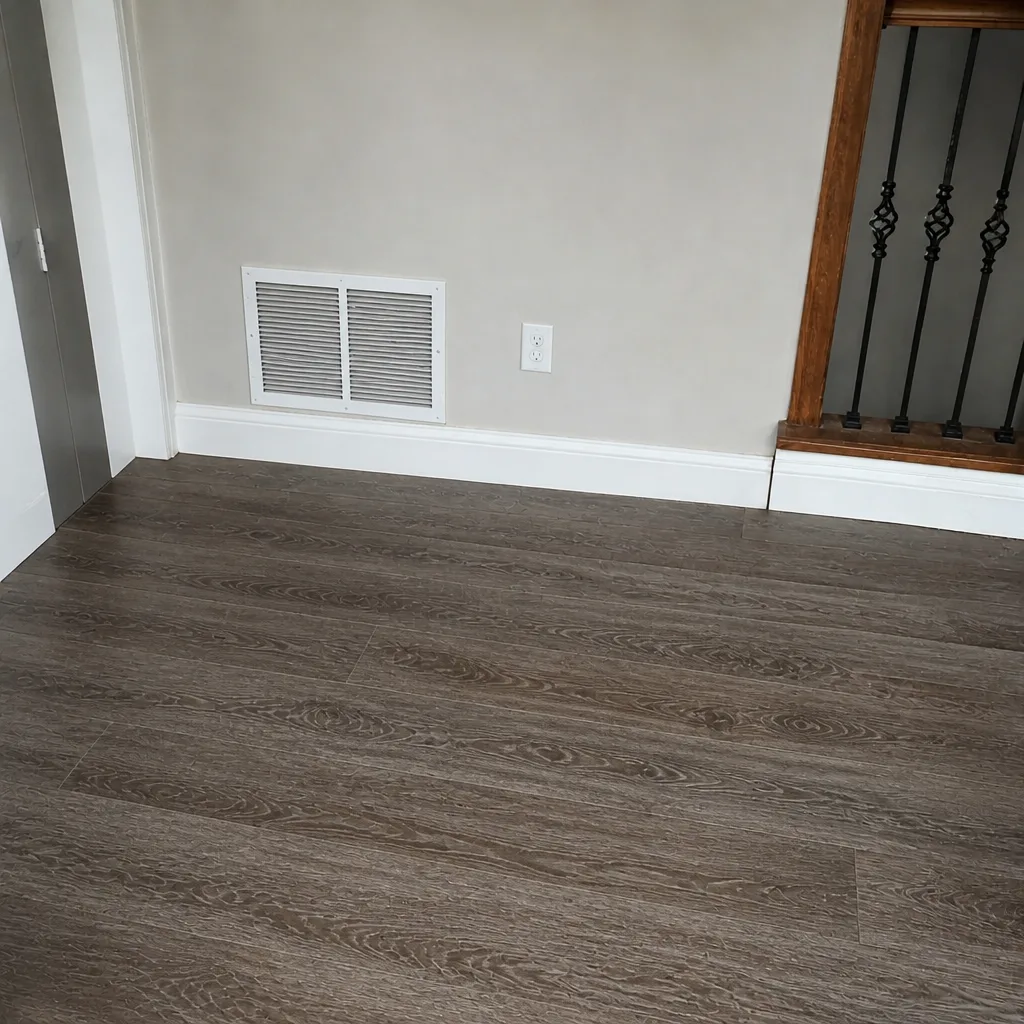
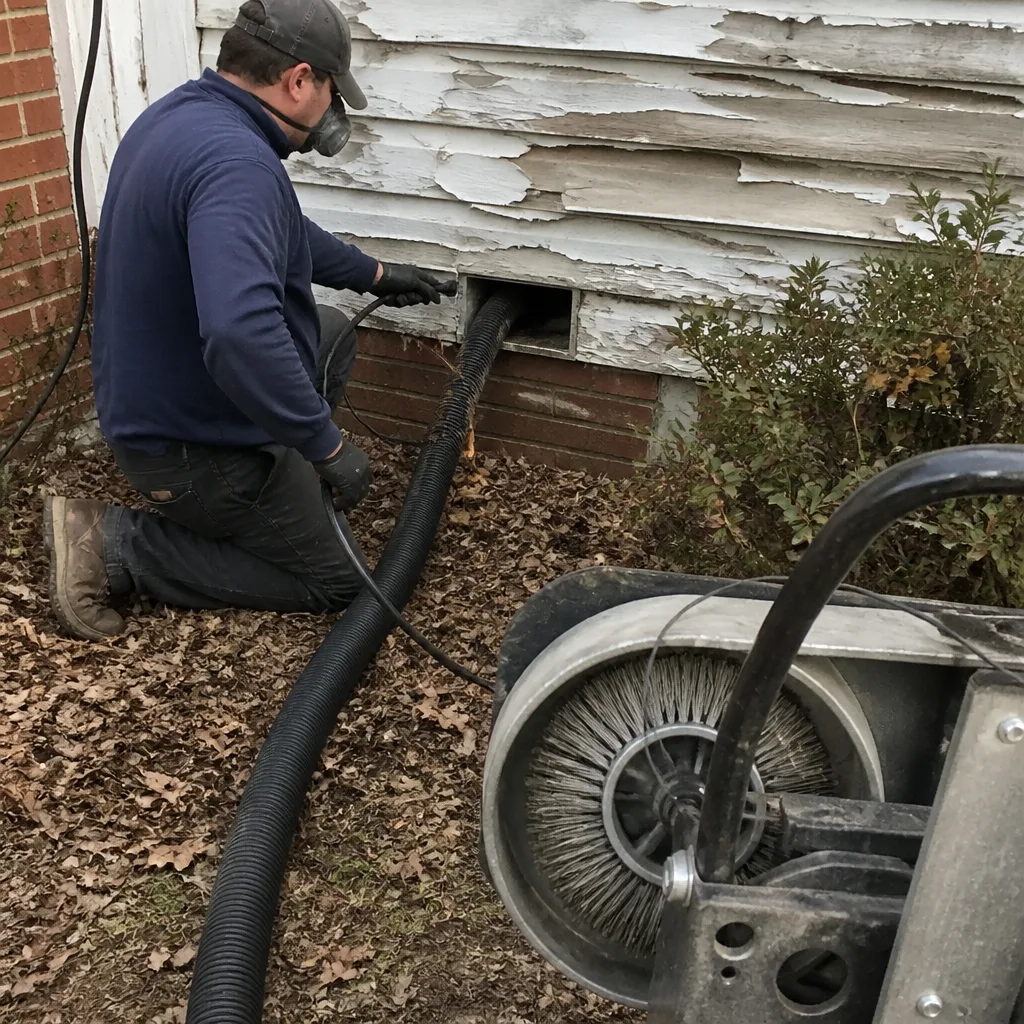
See the difference
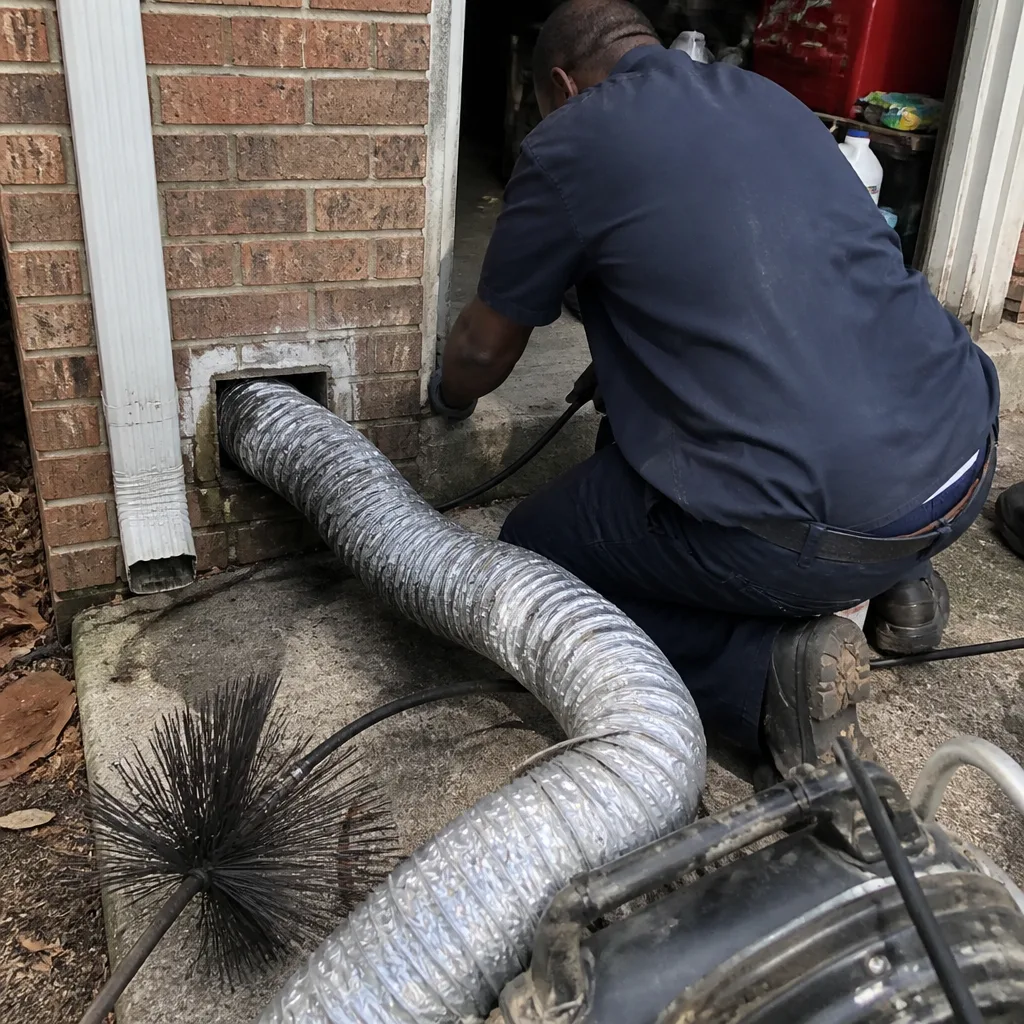 Before
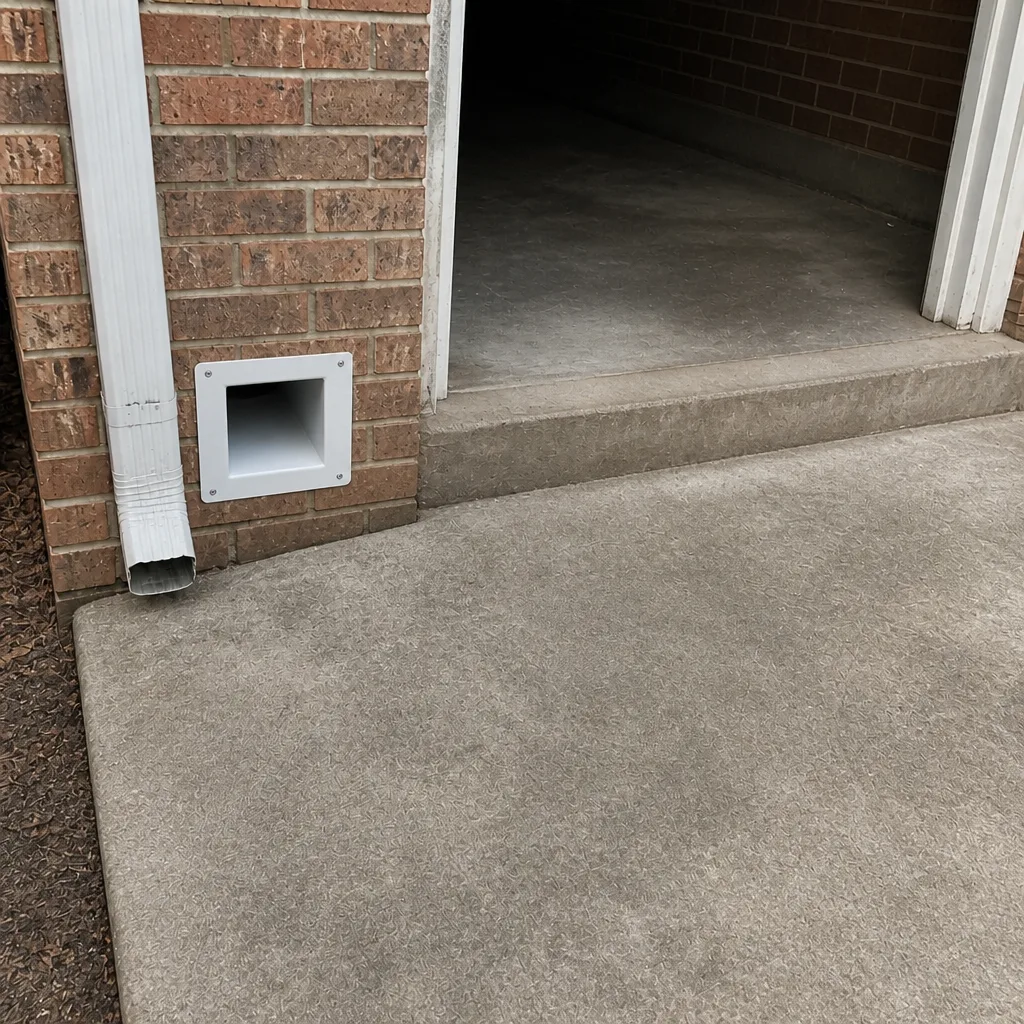 After
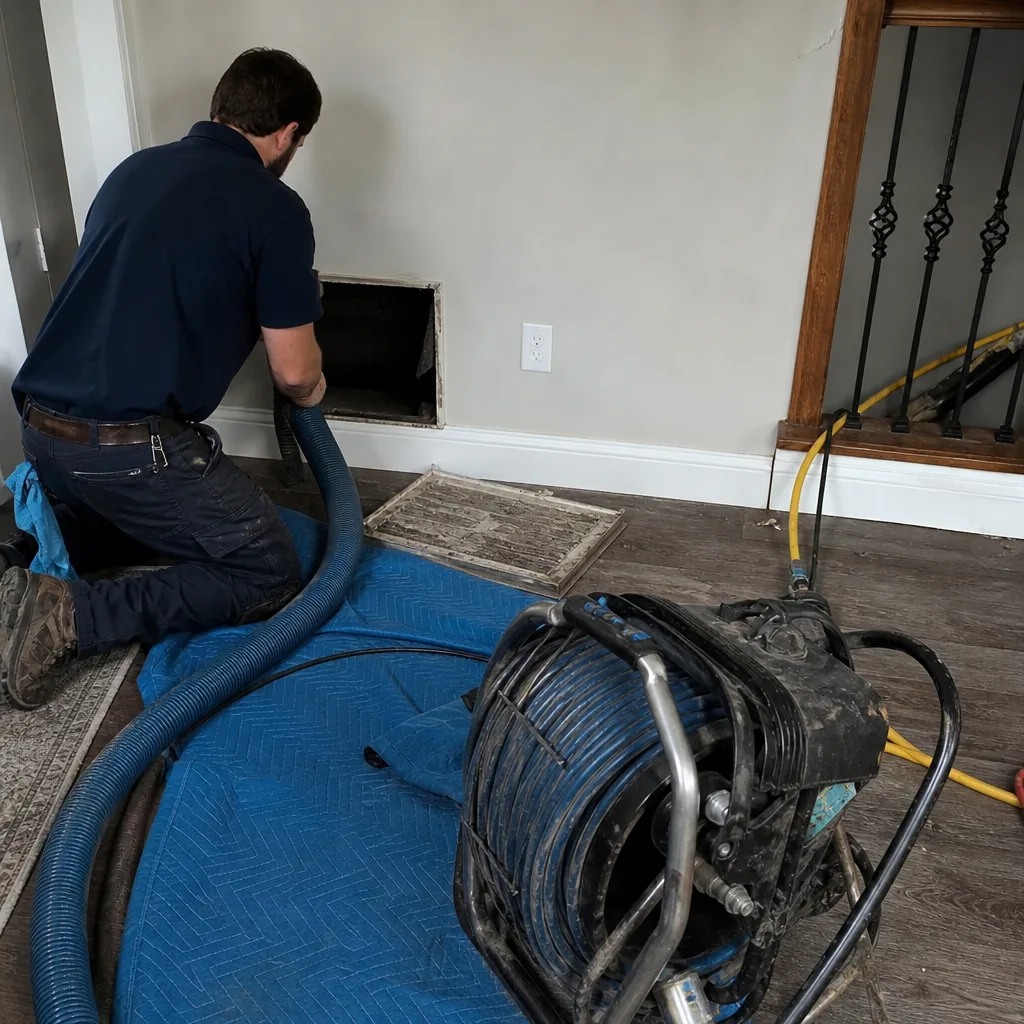 Before
 After
 Before
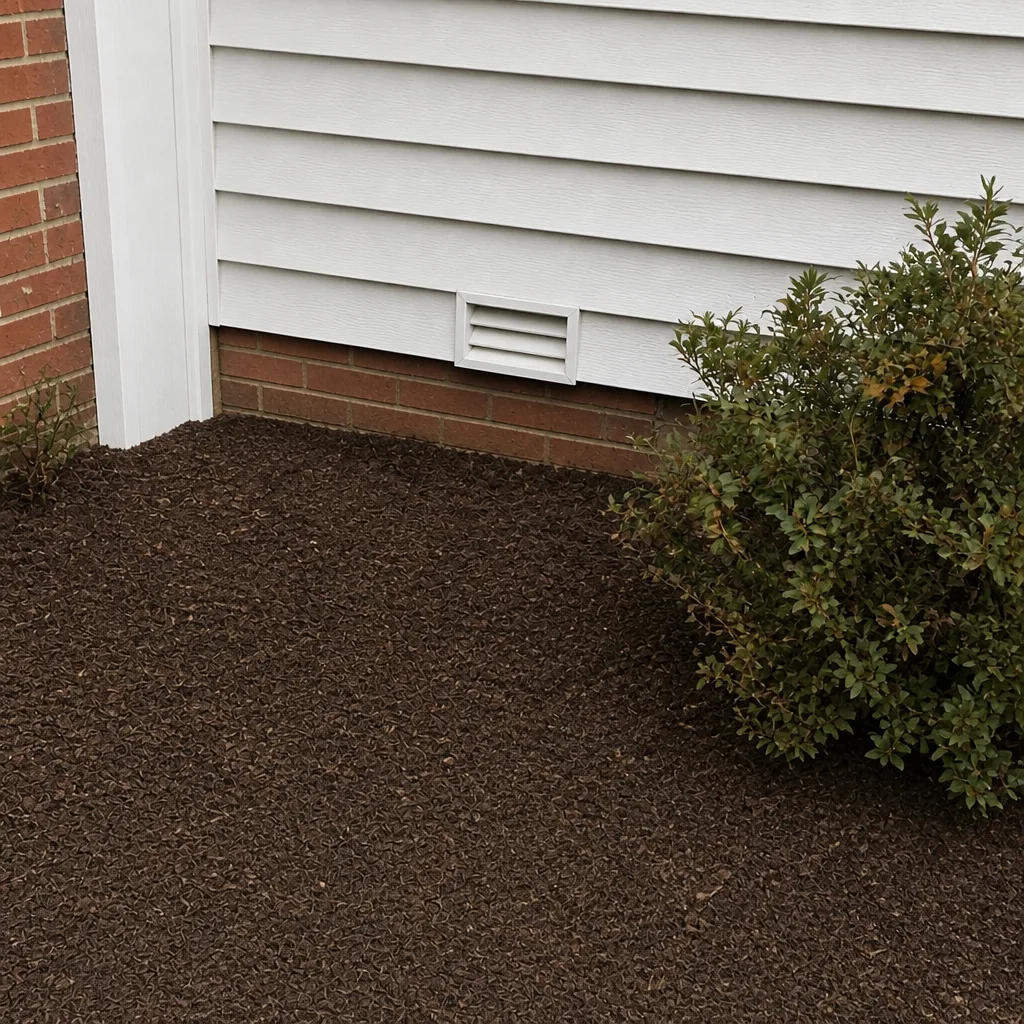 After
When to Call a Professional
If your registers have visible dust film, if a family member has allergies that get worse when the HVAC runs, if you’ve moved into a High Point home you’re not sure has ever had duct cleaning, or if your HVAC contractor flagged dust in the air handler during a service call, you’re past the “wait and see” point. Visual dust at the registers is the late-stage symptom; the settled load inside the trunk lines is already there. Dryer vent cleaning is a separate concern but on the same schedule: if it’s been years, the vent should be inspected for lint buildup. We offer free estimates in High Point and can walk through your system with a camera to show you exactly what’s inside. Call (888) 804-6957 to schedule. The estimate is free, the price is set per job by the written scope, and the photos are yours to keep.
Frequently Asked Questions
Pricing for a full-system cleaning in High Point depends on the number of registers, returns, and trunks, plus whether duct repair or an IAQ product is included. The written estimate sets the final price, and a free estimate on site is the standard way to get an accurate number. The reason we don’t quote a per-vent price is that per-vent pricing is what makes the coupon ads work; the honest number prices the system. Call (888) 804-6957 for an exact quote. Estimates are free.
The cheap quotes usually mean one of three things: fewer registers covered, no camera inspection, or containment setup skipped entirely. The math on a $99 cleaning for a 2,000-square-foot home doesn’t allow for a proper three-to-four-hour job with industrial equipment, so the difference is made up in scope. Ask what the low quote actually includes in writing, and compare that against the line-item list on this page. If the scope is a single trunk and a handful of registers, that’s the answer. Call (888) 804-6957 for a full-system estimate and a written scope you can compare line by line.
Open your registers with a flashlight, ask for camera photos of the blower compartment, and confirm you have before-and-after photos of the ducts themselves. A contractor who can’t produce photos of the actual ducts cleaned can’t confirm the cleaning was completed to scope. We show you what we find on the walkthrough and what we found after, so the verification is on your side of the conversation. Call (888) 804-6957 to schedule a free on-site estimate that includes a camera inspection.
Most homes in High Point need it every three to five years, and some can go longer. Homes with pets, recent renovation work that generated dust, or a family member with respiratory sensitivities tend to need it on the shorter end. The right interval depends on what the camera inspection shows, not on a preset schedule, which is why an on-site look is worth more than a phone answer. Call (888) 804-6957 for a free estimate and a camera walkthrough that tells you where your system actually stands.
Our systems are built around professional-grade collection units from Rotobrush and Nikro, with Abatement Technologies negative air and HEPA filtration equipment used where the job calls for contamination control. The specific unit for any home depends on the layout, airflow, and access, and we walk through that at the estimate. What doesn’t change is the containment principle: negative pressure is established before any register is opened. Call (888) 804-6957 to schedule a free estimate.
Ask for a duct repair quote based on the camera findings, not on a guess. Damage that shows up on camera during cleaning is the right time to quote repair, because the scope is already visible and the crew has seen the system from the inside. Cleaning alone won’t fix leaking joints, crushed flex runs, or deteriorated sealant, and a repaired system is what holds the cleaning result. Duct Cleaning High Point offers duct repair as a standalone service. Call (888) 804-6957 to schedule a free estimate.
The Bottom Line
Hiring a duct cleaning contractor in High Point comes down to three things: the equipment, the containment, and the written scope. Ask what collection system they use and what its CFM rating is. Ask how they establish negative pressure before opening a register. Ask for a camera inspection and a written scope of work that lists every component for a set price. The contractors who can answer all three without hesitation are the ones worth hiring; the ones who can’t are the ones who will leave you with dust redistributed through your registers and a lighter wallet. If you want to skip the filtering and go straight to the estimate, call (888) 804-6957. We answer 24/7. Fast dispatch from 7am to 7pm, Sunday through Friday. The estimate is free, the price is set per job by the written scope, and the camera photos are yours.
Written by the team at Duct Cleaning High Point.