
Last updated November 15, 2026
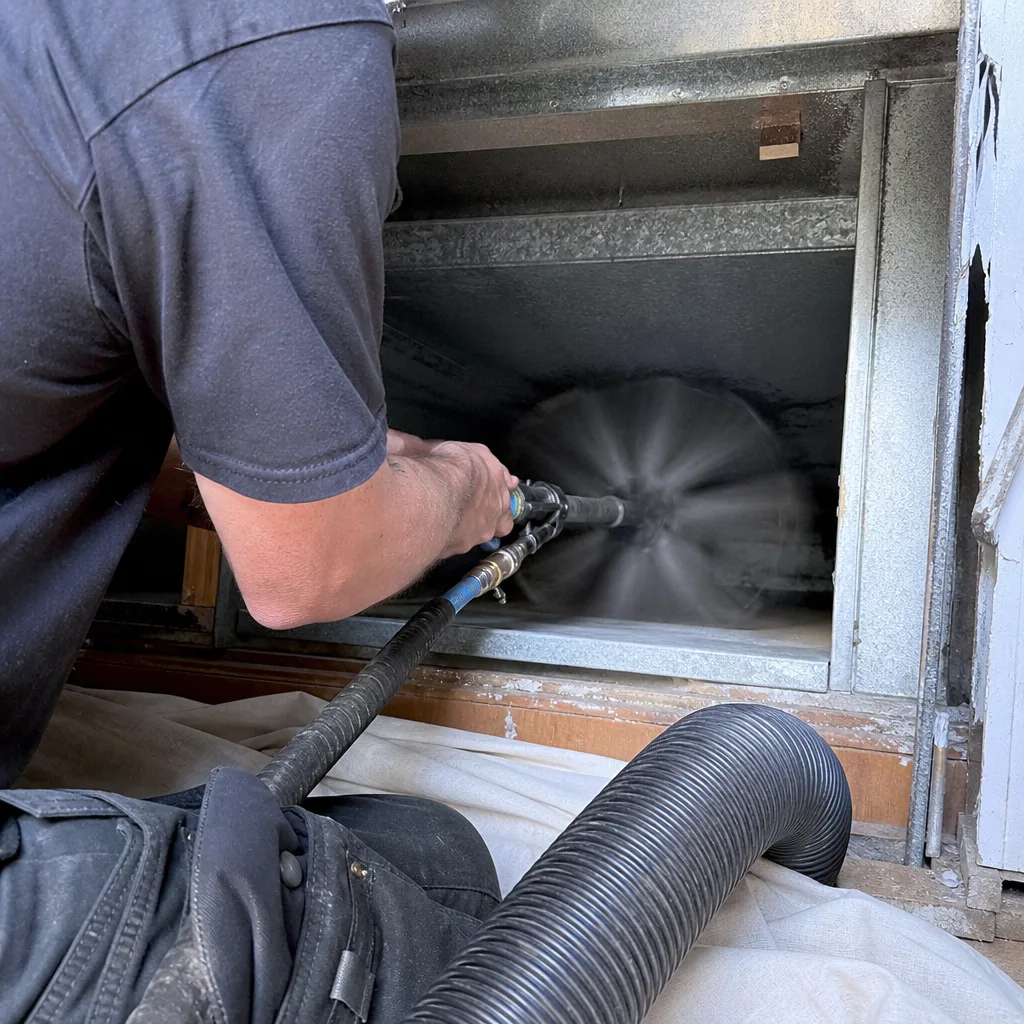
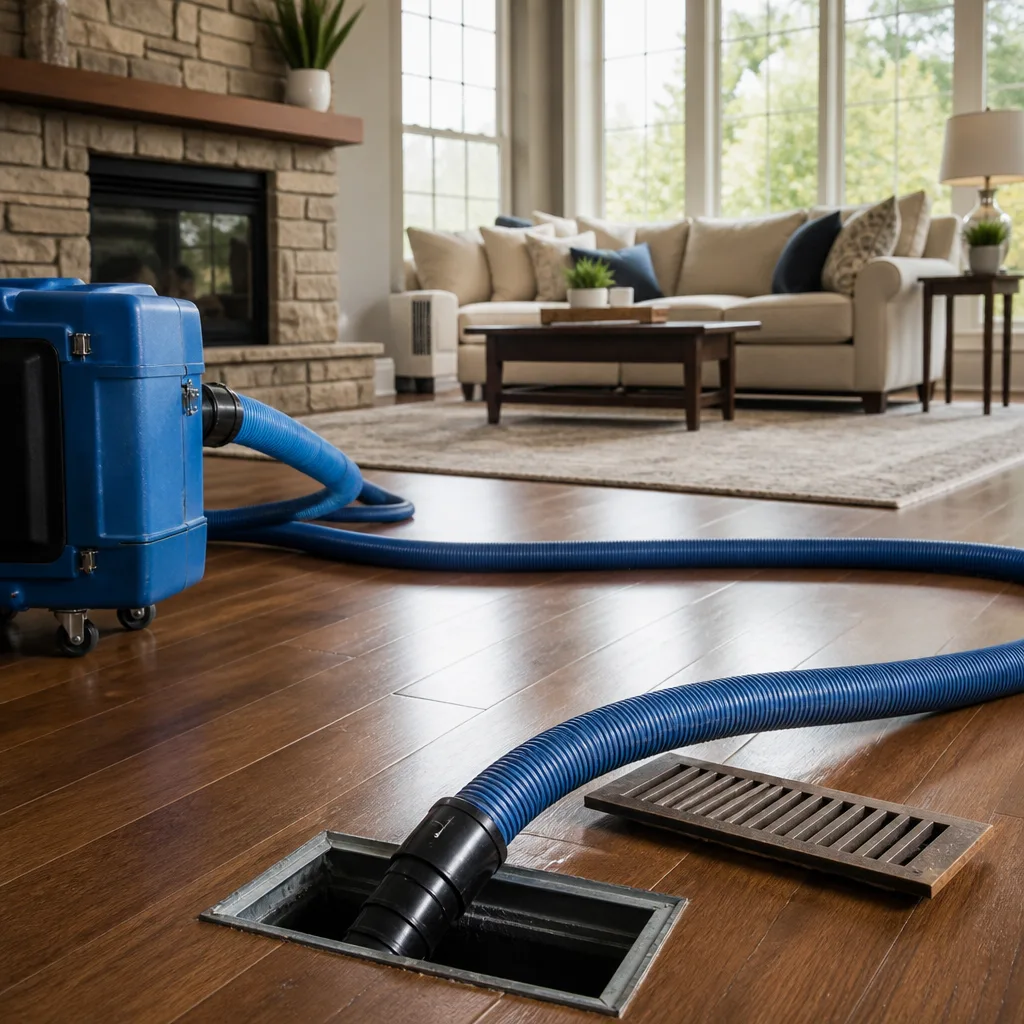 Whole-home duct cleaning
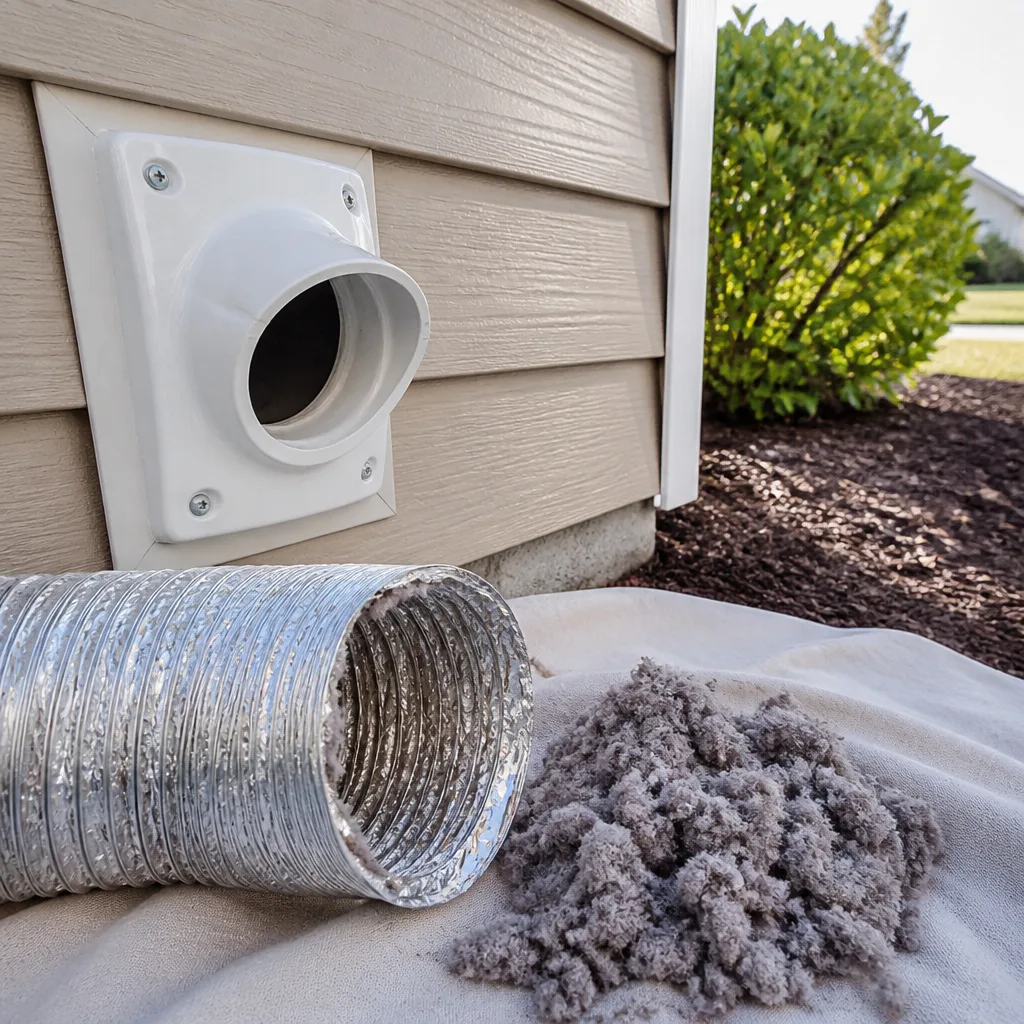 Dryer vent cleaning
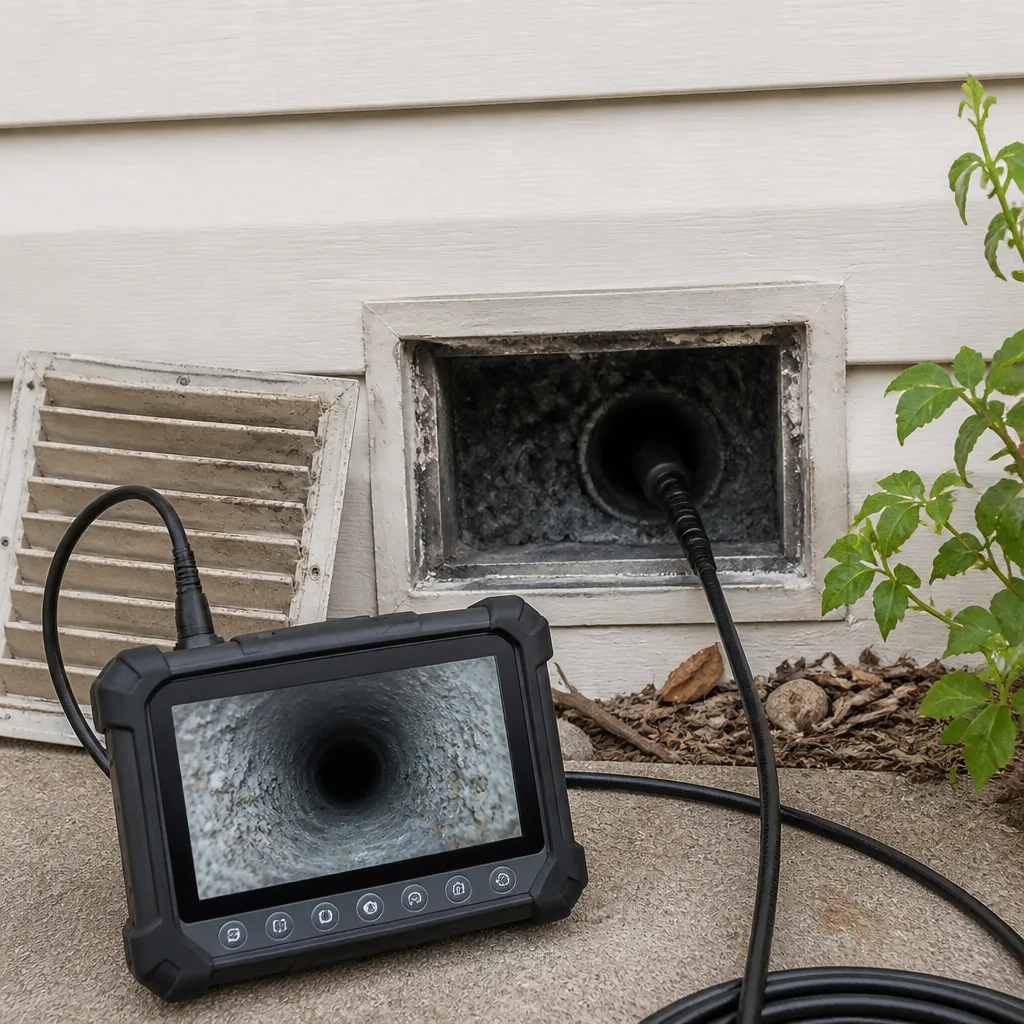 Camera inspection
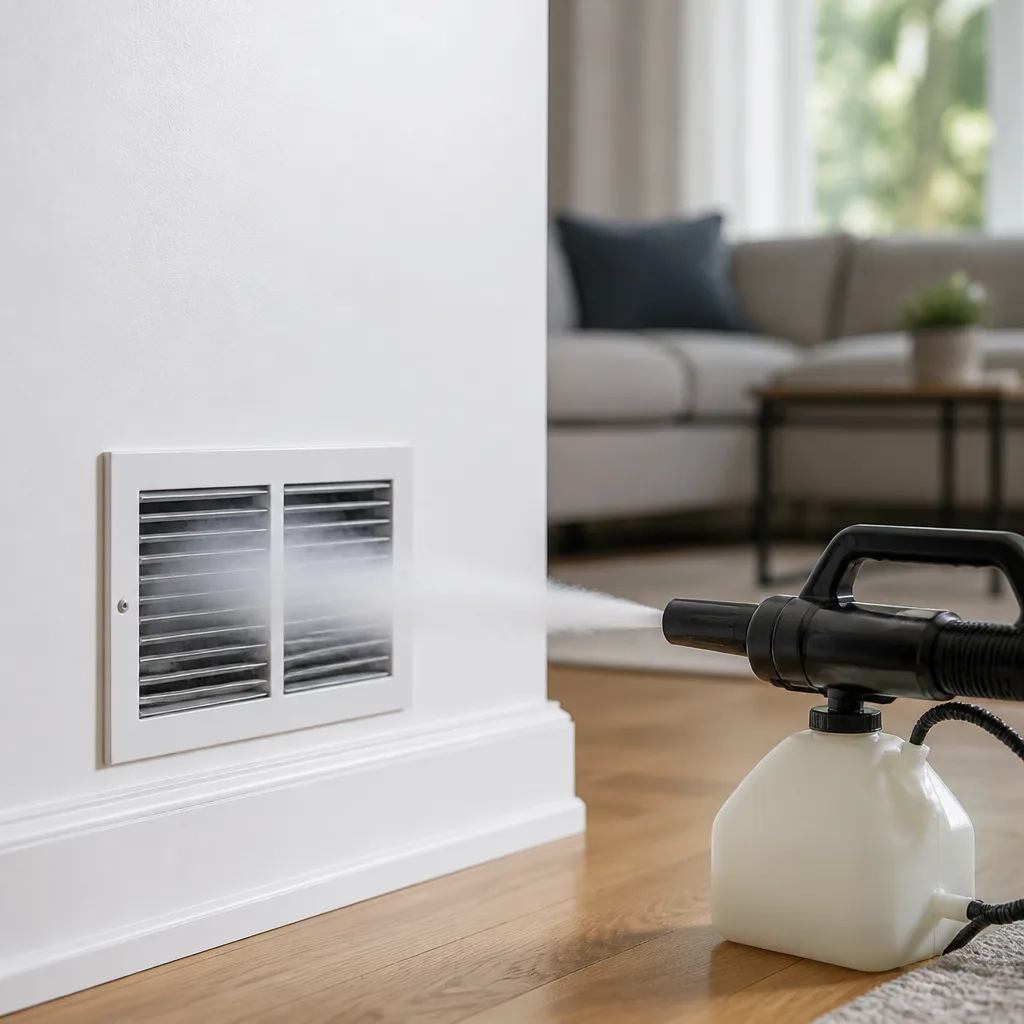 Sanitizing & deodorizing
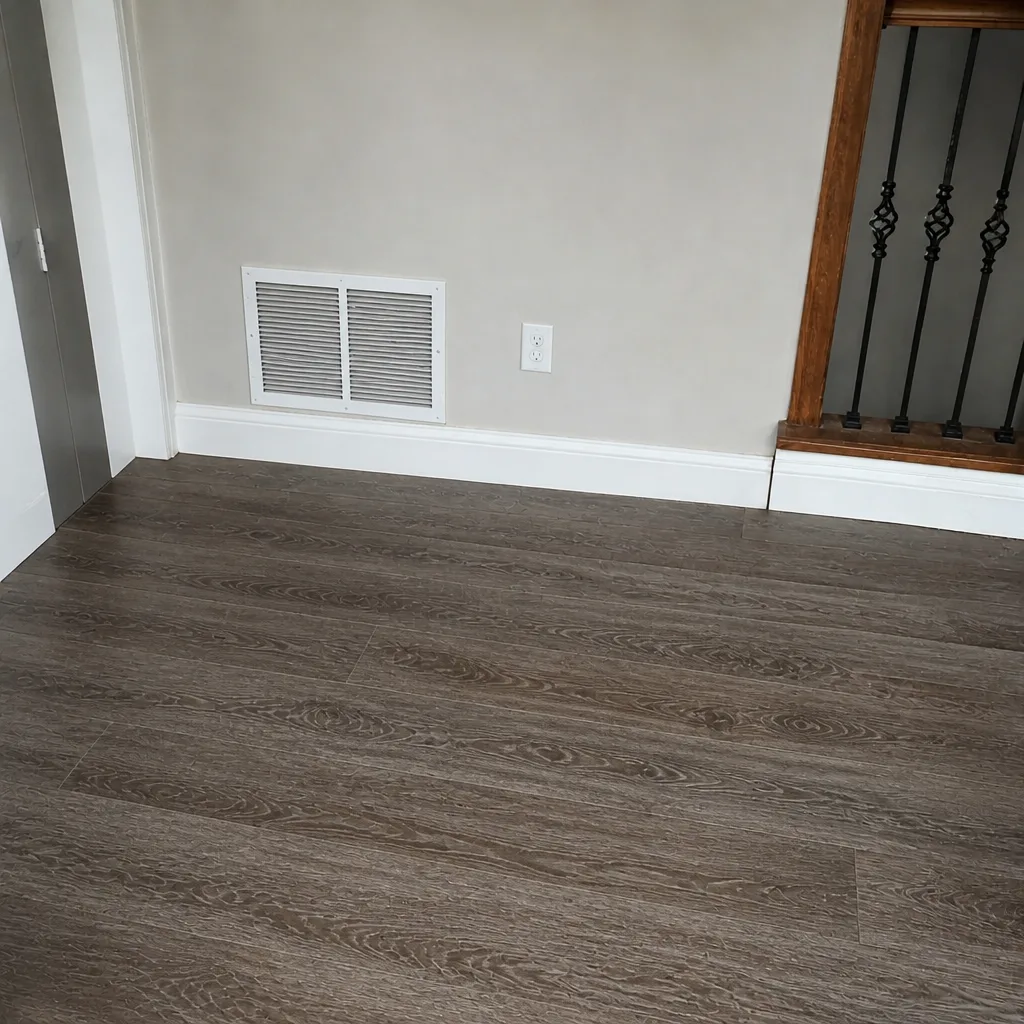
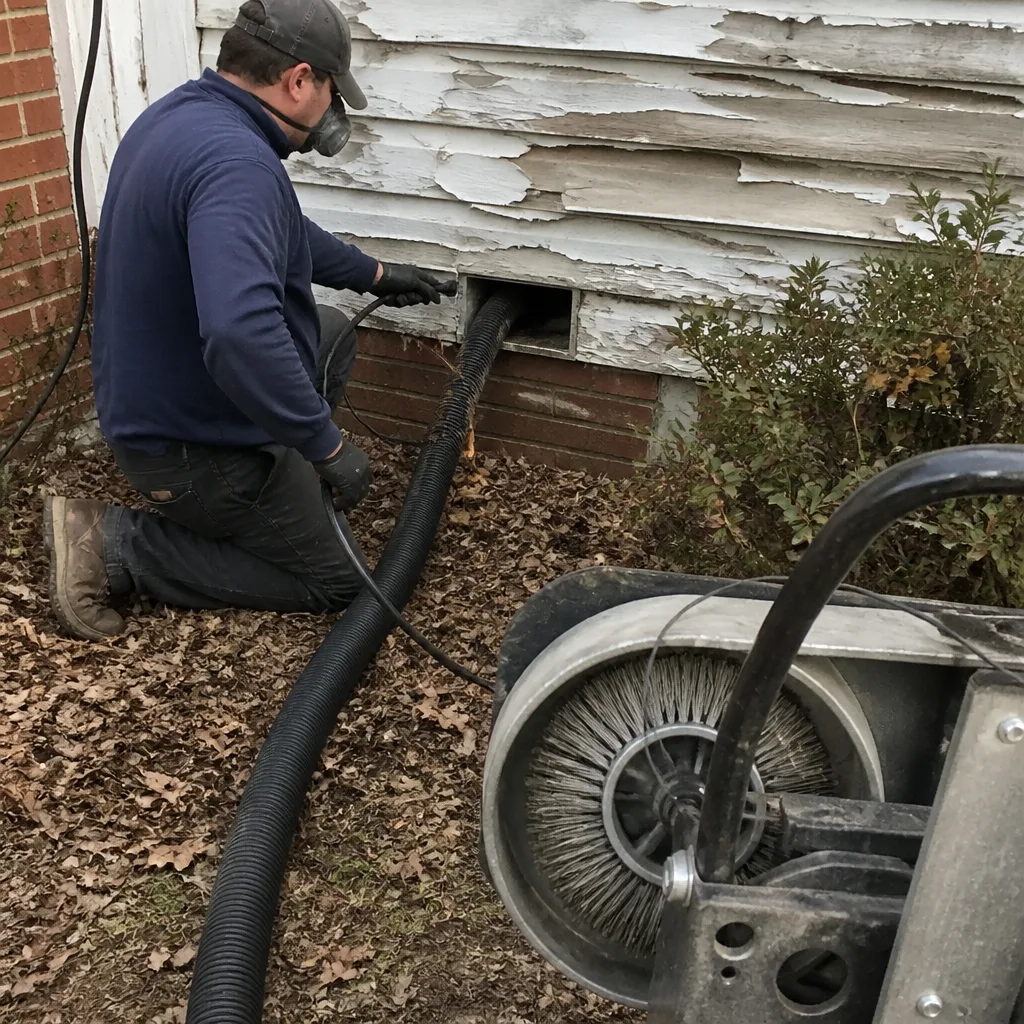
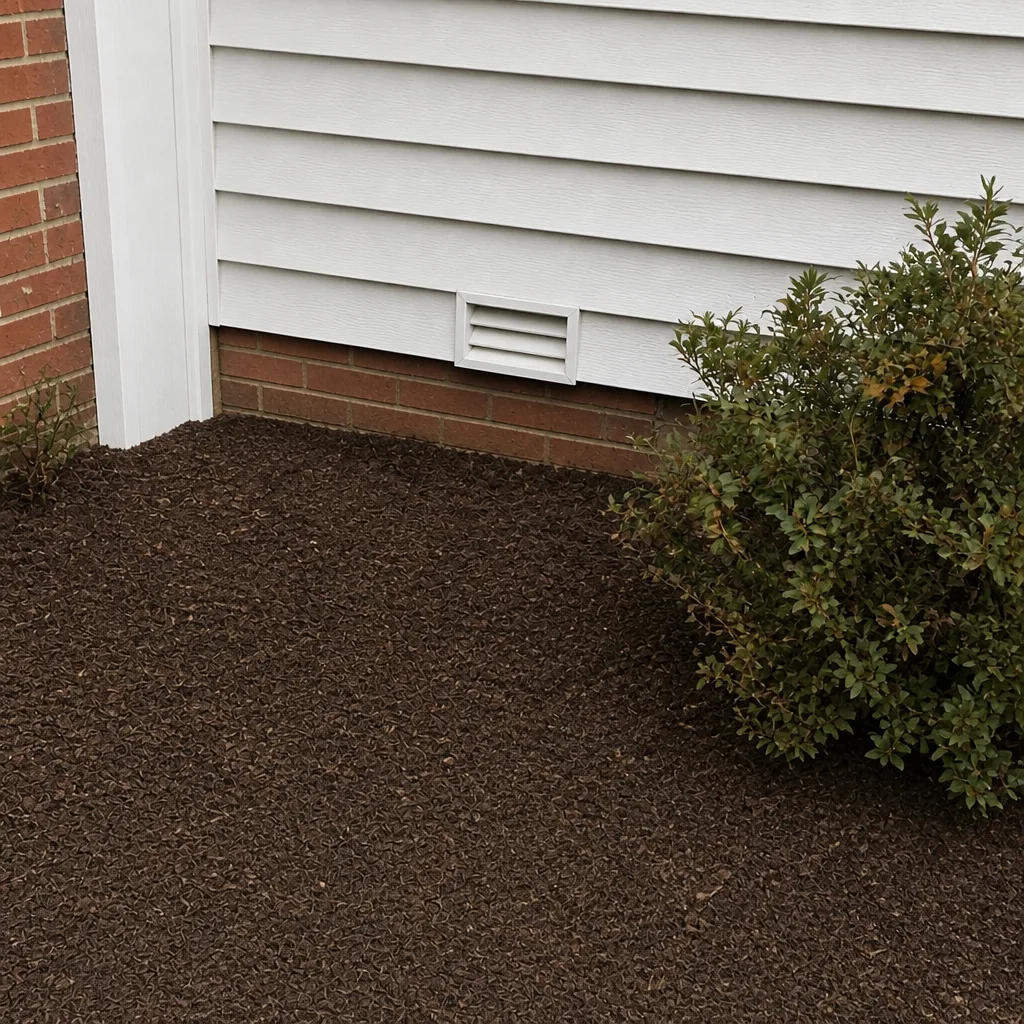
Whole-system duct and dryer vent check with before-and-after photos - you see exactly what came out of your vents
That "$99 whole-house special" is a bait ad - the real number appears once they are in your hallway, or the "clean" is a shop-vac at the register. We photograph the inside of your ducts before and after instead.
Air Duct Cleaning Maintenance Schedule: What to Do and When
The 3-to-5-year cleaning recommendation was written for a hypothetical average home that doesn’t exist in High Point’s humid, high-pollen climate. Piedmont Triad houses run their HVAC systems hard through long summer stretches, pull in heavy tree pollen every spring, and sit on some of the most varied duct materials found anywhere in the country. That means the right cleaning interval for your home is rarely the interval printed on a generic maintenance card. It’s driven by how much your system actually collects and how fast. In this guide we’ll show you the measurable triggers that matter more than the calendar, the home maintenance tasks you can handle yourself between professional visits, and how to keep a simple log that lets a technician set an accurate cleaning schedule for your specific duct system.
We’re Duct Cleaning High Point, and our technicians have up to experience working with professional-grade Rotobrush and Nikro equipment across the area. This schedule reflects what we’ve learned about how contamination actually accumulates here.
Quick Answer
Most High Point homes need professional air duct cleaning roughly every 3 to 7 years, but the number that matters is set by trigger events, not a fixed calendar: a recent renovation, a new pet, a musty smell at HVAC startup, or filters that load faster than they used to each signal that it’s time regardless of how long it’s been. That interval is measured per system, and in a high-pollen, humid climate like High Point’s, the single most valuable annual touchpoint is a late-fall inspection before the heating season begins.
Styles & brands we work with
- Whole-home duct cleaning
- Dryer vent cleaning
- Camera inspection
- Sanitizing & deodorizing
Table of Contents
- Why the Generic 3-to-5-Year Rule Falls Short
- The Trigger-Based Checklist: When to Override the Calendar
- High Point’s Pollen and Humidity Contamination Window
- How Duct Material Changes Your Cleaning Interval
- What You Can Maintain Yourself Between Cleanings
- Filter Upgrade Intervals That Actually Work
- The Homeowner Log That Sets Your Real Interval
- A Simple Yearly Maintenance Timeline
Why the Generic 3-to-5-Year Rule Falls Short
Every generic guide repeats the same recommendation: clean your ducts every three to five years. It sounds authoritative. It’s also built on an assumption that barely applies to a real house in High Point. The rule imagines a mid-sized home with one pet, average occupancy, moderate climate, and a balanced mix of duct materials. Most homes hit two of those, not four.
What actually drives contamination in a duct system is measurable. Consider what determines how much debris accumulates and how fast:
- Runtime hours. An HVAC system running eight months of the year moves far more air (and collects far more particulate) than one running three. In High Point, long cooling seasons push runtime up.
- Outdoor particulate load. Spring pollen in the Piedmont Triad is heavy. Every cubic foot of air the system draws in carries pollen, and a portion of it settles in the ductwork.
- Indoor particle sources. Pets, carpet, recent drywall work, and cooking all add to what the return air picks up.
- Duct material and sealing. Leaky joints pull in attic or crawlspace air; fiberglass-lined board absorbs odor and holds fine dust in ways sheet metal doesn’t.
A two-person home with no pets and a well-sealed sheet metal system might genuinely go seven years between cleanings. A family with two dogs, a recent kitchen remodel, and a flex-duct run through a humid crawlspace might need attention every three years. Same rulebook. Very different reality. That’s why we recommend building your schedule around triggers rather than a static number. The air duct cleaning interval is a decision, not a countdown.
The Trigger-Based Checklist: When to Override the Calendar
Any single trigger on this list is a signal to schedule a professional inspection, regardless of when your last cleaning happened. Two or more triggers at once usually means the ducts are due now.
- After a renovation. Drywall dust, sawdust, and construction debris migrate into the return system within days. A renovation is the most reliable trigger in the book. Schedule a cleaning once the dust settles.
- A new pet joins the household. Shedding adds a continuous particulate load the system was never sized for. Within the first year, filter loading typically speeds up.
- A musty odor at HVAC startup. When the system kicks on and smells damp or stale, that’s a signal of biological growth or trapped moisture somewhere in the ductwork or the air handler.
- Filters loading faster than usual. If a filter that used to last three months is now visibly gray at six weeks, the system is pushing more particulate through it, and the ducts are the reservoir.
- Visible dust streaking at the registers. Dark trails around supply vents or a visible dust ring on the return grille are direct evidence of duct-side debris.
- Recent water intrusion or a roof leak. Any moisture event in the duct path needs inspection, because fiberglass-lined board and flex duct hold moisture and support growth.
- Allergy season hits harder. If spring and fall symptoms escalate indoors, the building may be recycling its own contaminated air.
- You’ve never had them cleaned and the system is new to you. A recent home purchase is a trigger in itself. You don’t know the prior owner’s history, so a baseline inspection is worth it.
Notice what’s missing from this list: “because it’s been five years.” The calendar is a floor, not a ceiling. If none of these triggers fire, a well-sealed system with moderate use can wait. If two of them do, waiting is the wrong call. Our technicians have up to experience and can tell quickly which situation you’re in during a free estimate.
High Point’s Pollen and Humidity Contamination Window
High Point sits in the North Carolina Piedmont, and its climate shapes the contamination cycle in ways a coastal or dry-climate guide can’t capture. Spring brings a heavy tree and grass pollen season. Summer brings sustained humidity that can push moisture into ductwork running through unconditioned attic and crawlspace space. Those two forces create a specific annual window when contamination accumulates fastest.
Think of the year in three phases:
- Spring (roughly March through May). Pollen season. Airborne particulate peaks, and every hour the system runs, it pulls pollen into the return system. A portion settles in the ducts rather than passing through the filter.
- Summer (roughly June through September). Cooling runtime is at its highest. Sustained humidity in crawlspaces and attics can introduce moisture into ducting, and where there’s moisture, there’s the potential for biological growth on dirt-covered surfaces.
- Fall (roughly October through November). Pollen drops off and cooling runtime tapers. This is the accumulation’s resting point, before the heating season pushes that year’s settled debris back into the living space.
That makes a late-fall inspection the highest-value annual touchpoint for a High Point home. It lands after the season that deposited the most particulate and before the season that will circulate it. Catching a problem then gives you the option to clean before the heating system starts moving stored dust into your air. In our experience, this single timing decision does more for indoor air quality than any other thing a homeowner can do without touching a duct. For a deeper look at what we find in High Point systems, see our Duct Cleaning High Point page.
How Duct Material Changes Your Cleaning Interval
Two homes on the same street can have wildly different cleaning intervals because of what the ducts are made of. Material determines whether debris sits on the surface, gets absorbed, or clings in ways that cleaning has to work harder to remove.
- Sheet metal (galvanized steel). Smooth, sealed surfaces shed debris well. Dust that does settle can usually be cleared effectively with professional agitation and negative air pressure. These systems typically hold their interval longest if the joints are sealed and the filter is well maintained.
- Flex duct. The corrugated inner liner traps fine particulate in its ridges, and the flexible runs that cross unconditioned attics and crawlspaces are prone to moisture and physical damage. Flex systems often need attention sooner than sheet metal, especially if runs sag or are kinked.
- Fiberglass-lined board. The most schedule-sensitive material. The interior is porous, so it absorbs odors, holds fine dust deep in the lining, and is vulnerable to biological growth when moisture is present. Board ducting does not clean the way metal does; it needs careful handling and often a sooner recheck.
This is also where duct repair enters the picture. Cleaning can only reach what the duct system actually delivers air through. A leaking joint, a crushed flex run, or a failing seam lets attic or crawlspace air directly into the supply side, and cleaning a leaky system is a partial fix. That’s why we offer air duct repair as a standalone service. When an inspection reveals damage, fixing it is often the higher-value move, and addressing it now prevents the kind of ongoing contamination that forces shorter cleaning intervals year after year.
What You Can Maintain Yourself Between Cleanings
You don’t need professional equipment to protect the interval between cleanings. A few simple, low-cost habits meaningfully slow accumulation. None of these replace a professional cleaning; they extend the time before you need one.
- Wipe the supply registers. A damp cloth over each register face and the surrounding wall takes a few minutes per vent and stops visible dust from being drawn back into the airstream. Roughly once a month in active rooms, once a season in spare rooms.
- Clean the return grilles. The return side pulls the most air, and the grille is the first surface that catches what the filter misses. Vacuum the grille face every few months; check it after dust events like renovating a nearby room.
- Keep the filter simple and correct. Use the filter size your system specifies and change it on a real schedule, not a vague one. A too-dense filter can starve airflow; a too-thin one lets more through. Match the manufacturer’s recommended rating rather than chasing the highest number.
- Keep the air handler area clean. The return plenum and filter slot collect debris. Vacuum around the filter slot when you change filters.
- Control indoor moisture. In a humid High Point summer, keeping indoor humidity down protects ductwork from the moisture that encourages growth, especially in fiberglass-lined systems.
None of this is heavy work. Fifteen to twenty minutes a month, plus a filter change, is realistic. The payoff is a duct system that stays cleaner longer and an accurate sense of when something has changed.
Filter Upgrade Intervals That Actually Work
Filter changes are the single most important homeowner-maintained variable. Get the interval right and you extend the cleaning cycle; get it wrong in either direction and you either load the ducts or starve the system.
Here’s a practical starting point, adjusted for the realities of a High Point home where cooling and heating runtime is substantial and pollen is heavy:
- Basic flat filters (MERV 4-6): check monthly, replace roughly every 30 to 60 days. Cheap and easy to change often.
- Pleated filters (MERV 8-11): check monthly, replace roughly every 60 to 90 days in an average home; sooner with pets, heavy pollen, or recent renovation.
- High-efficiency filters (MERV 13+): these capture more but load faster and stress airflow. Verify your system can handle the higher resistance, and do not assume denser is better.
Two rules matter more than the specific number. First, write the change date directly on the filter with a marker so you never guess. Second, treat a change in how fast a filter loads as data. A filter that used to last three months and now loads in six weeks is telling you the ducts have become a reservoir. That observation belongs in your log, and it’s exactly the kind of signal a technician can use to set your next cleaning interval accurately.
If you want to go beyond filtration and address air quality more broadly, the indoor air quality products from Honeywell and Aprilaire we install and service let you connect duct cleaning to filtration, humidification, or ventilation rather than treating it as a one-time event. That’s often the smartest way to hold an interval steady over years.
The Homeowner Log That Sets Your Real Interval
No technician can set an accurate cleaning interval for your home without knowing how it has behaved. A one-page log solves that, and it takes seconds to update. Keep it near your HVAC unit or filter slot, and bring it out at every professional visit.
What to record:
- Filter change dates and the MERV rating you used.
- Observations about filter loading (e.g., “loaded early,” “looked clean at three months”).
- Odor events at HVAC startup, including the date and where the smell seemed strongest.
- HVAC service records (professional maintenance, repairs, any system changes).
- Renovation dates and any water intrusion or roof leak.
- Pest or pet changes in the home.
- Cleaning dates from any prior professional duct cleaning, and what was done.
Now the part that makes this log powerful: it gives a technician real data about your specific system rather than a guess. A pattern of loading that’s shortening over two or three filter cycles tells a very different story than a stable one. That’s how we set an interval based on your home instead of a rule of thumb. This is the “we show you what we find” part of the job, applied to scheduling. If an inspection reveals a leak or a failing flex run, the company can fold in repair, and the dryer vent cleaning side of the system follows the same log-and-trigger logic.
A Simple Yearly Maintenance Timeline
Here’s how the trigger-based approach lays out across a year for a typical High Point home. It’s a rhythm, not a rigid rulebook; adjust based on your log.
- Early spring (before pollen peaks). Change the filter, vacuum return grilles, and confirm the system is running correctly. This is your pre-pollen reset.
- Through spring and summer. Check filters monthly. Record loading speed. Watch for odor at startup and humidity issues in crawlspaces or attics.
- Late fall (October-November). Book the annual inspection. This is the highest-value touchpoint in the climate: after pollen and cooling season, before heating season pushes stored debris into the air. Fix any duct damage now.
- Winter. Confirm heating runtime is normal; watch for dry, dusty air that suggests debris is being circulated. Keep filters on schedule.
- Anytime a trigger fires. Renovation, new pet, water event, or a sudden change in filter loading overrides the annual rhythm. Schedule an inspection.
Used alone, that cadence keeps most well-sealed homes on a reasonable cleaning cycle. Combined with your log, it lets the cycle lengthen when the data says the system is holding up, and shorten when it isn’t. That’s the whole point: a schedule that reflects your actual home.
Common Mistakes to Avoid
- Treating the calendar as the only rule. Waiting for a fixed number of years while trigger events pile up gets the timing wrong. A renovation or new pet should reset your schedule no matter what the calendar says.
- Skipping the late-fall inspection. In a high-pollen, humid climate, the fall inspection is the touchpoint that catches the year’s accumulation before heating season. Skip it and you push the problem into your air.
- Buying the densest filter available. A filter too restrictive for your system can starve airflow. Match the manufacturer’s recommended rating instead of chasing the highest MERV number.
- Cleaning the ducts without addressing damage. Cleaning a leaking or crushed duct system is a partial fix at best. If an inspection reveals damage, repair it before or alongside the cleaning.
- Failing to keep records. Without a log of filter dates and filter-loading patterns, the technician has no data to set an accurate interval. The log is what turns a guess into a plan.
- Ignoring a musty smell at startup. A damp or stale smell when the system kicks on is a signal of moisture or growth somewhere in the ductwork. Don’t wait for the next scheduled visit.
- Assuming all duct materials clean the same way. Fiberglass-lined board holds odor and fine dust differently than sheet metal. A schedule built for metal can miss what board needs.
See the difference
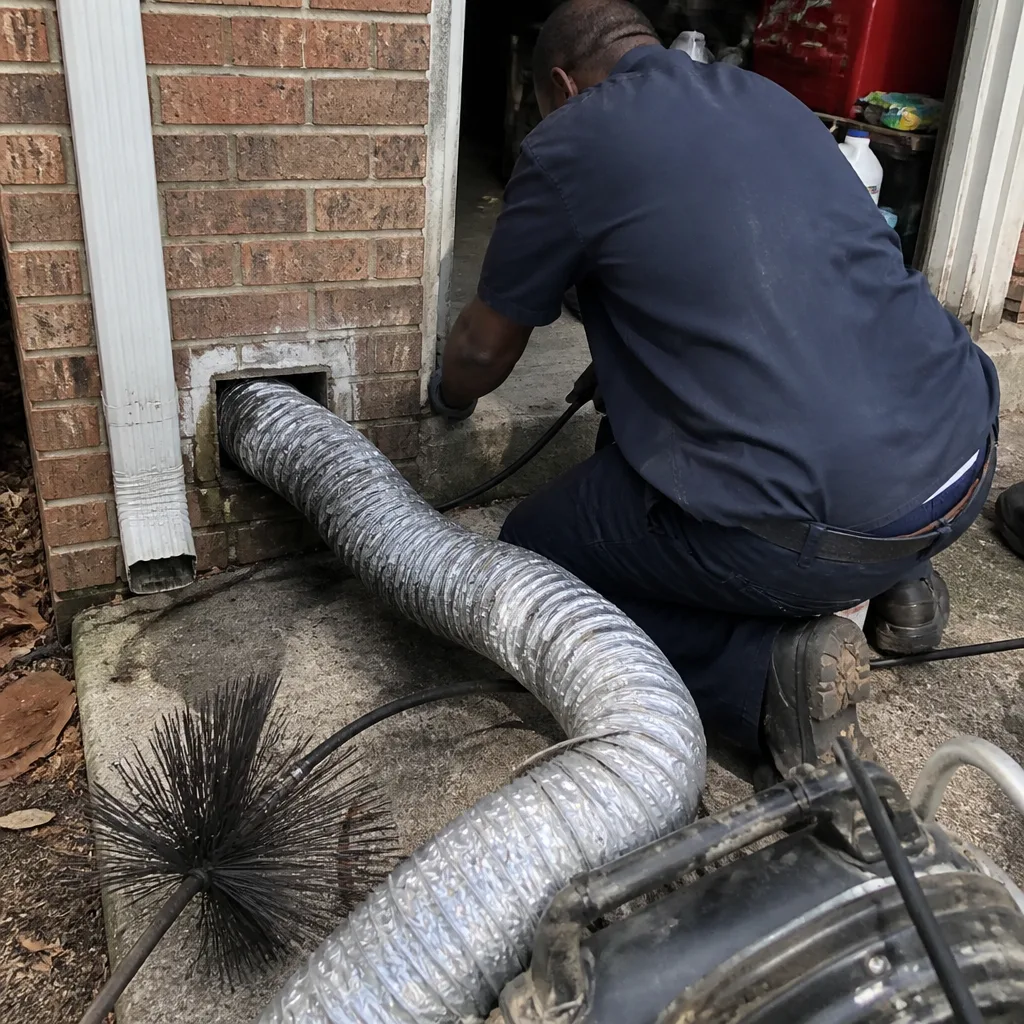 Before
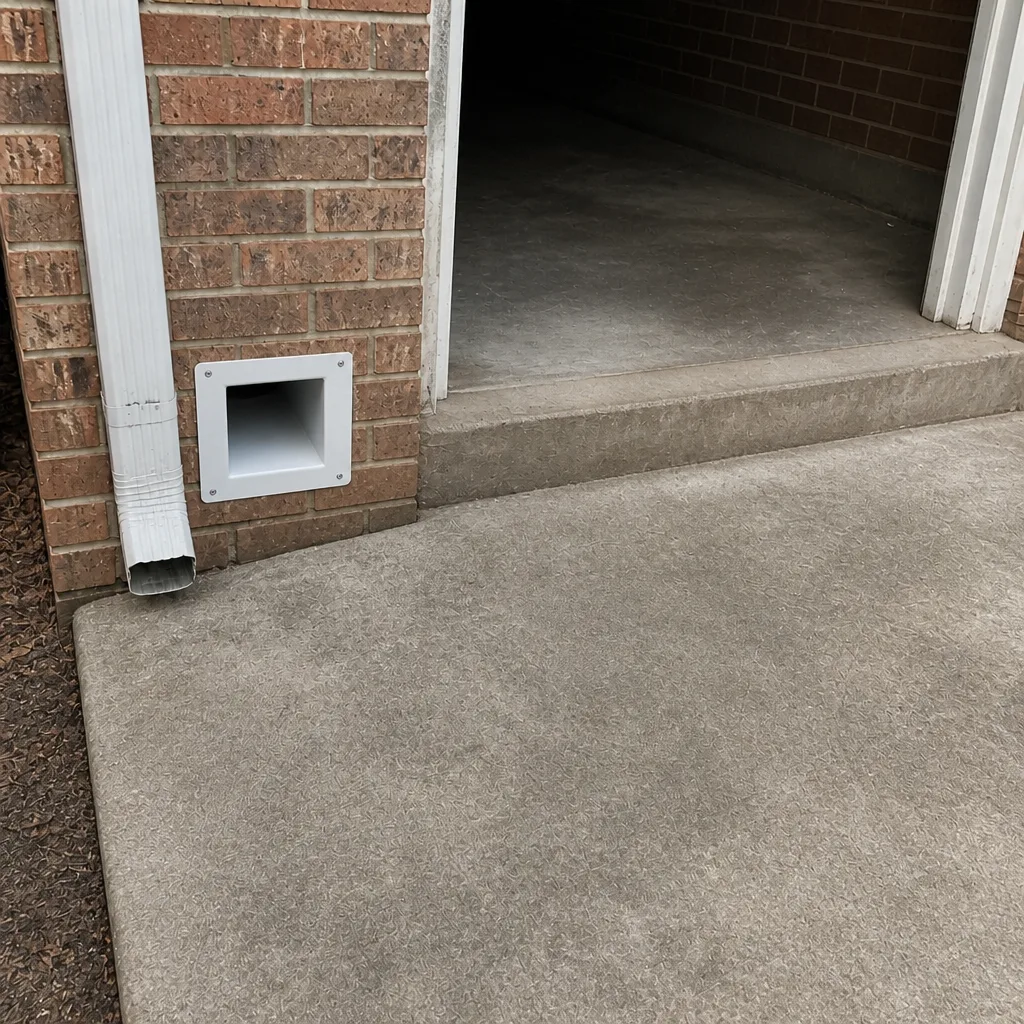 After
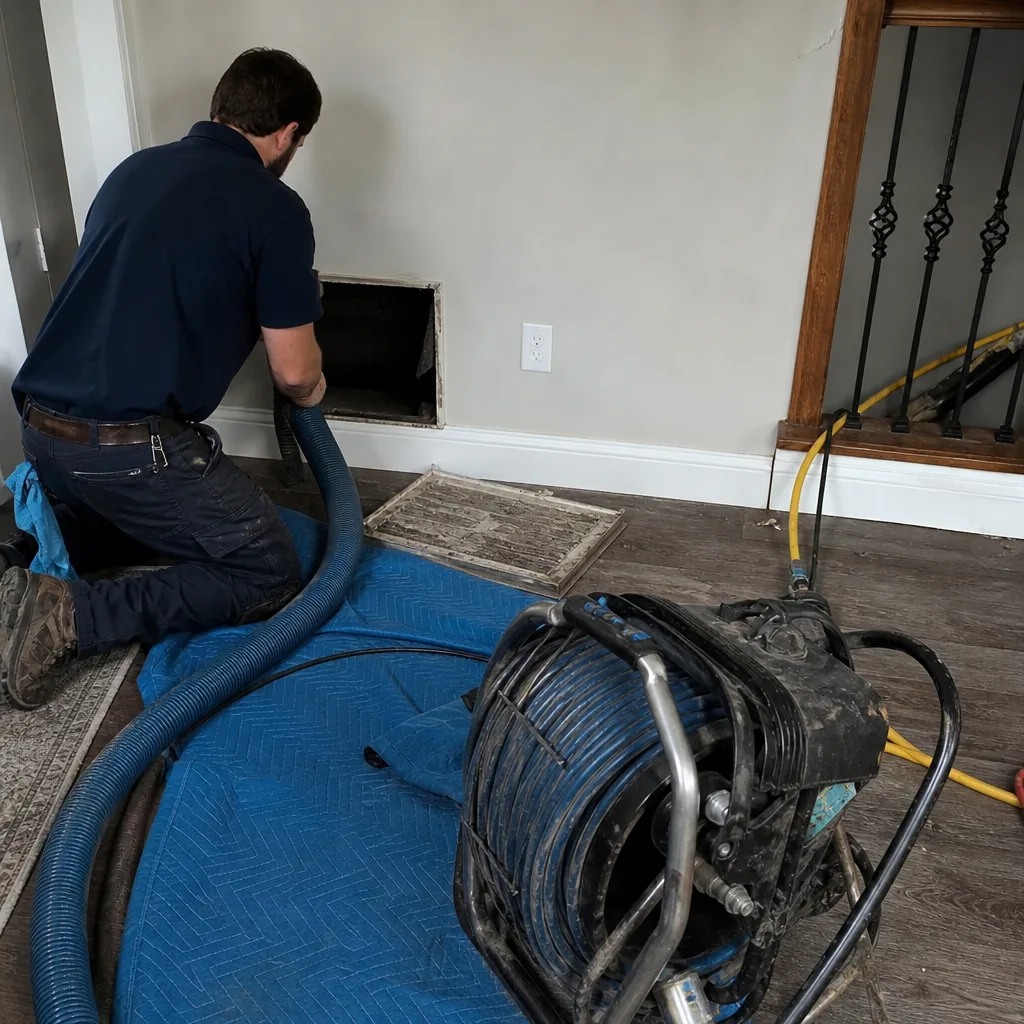 Before
 After
 Before
 After
When to Call a Professional
You should call for a professional inspection when a trigger event fires, when filters load faster than they used to, when a musty odor greets you at HVAC startup, or when an inspection reveals duct damage that cleaning alone can’t fix. In High Point’s climate, a late-fall inspection is the best routine touchpoint; renovation, a new pet, or a water event warrants calling off-cycle. If dust is visibly streaking at your registers, or if you’ve recently bought a home and don’t know the cleaning history, that’s the moment to book. Duct Cleaning High Point offers free estimates in High Point. Call (888) 804-6957. We answer 24/7. Fast dispatch from 7am to 7pm, Sunday through Friday. We show you what we find; you set the schedule based on real data, not a guess.
Frequently Asked Questions
Most High Point homes fall somewhere in the 3-to-7-year range, but the trigger events matter more than the calendar: renovation, a new pet, a musty odor at startup, or filters loading faster than usual all mean a cleaning is due sooner, regardless of how long it’s been. In a high-pollen, humid climate, a late-fall inspection is the highest-value annual check. Call (888) 804-6957 for a free estimate and a schedule built around your home.
You can and should track the signals, but the final interval is best set by a technician who has inspected the ductwork. Keep a simple log of filter change dates, filter-loading observations, and odor events; that data lets a technician set an accurate cycle for your system instead of a generic one. Bring the log to your next visit.
In the Piedmont Triad, yes. Spring pollen season deposits heavy particulate, and summer humidity raises moisture in crawlspaces and attics. A late-fall inspection lands after the accumulation and before heating season pushes that settled debris into the living space, so it’s the best moment to catch problems.
Sheet metal holds its interval longest because smooth, sealed surfaces shed debris well. Flex duct traps fine particulate in its ridges and is prone to moisture. Fiberglass-lined board holds odor and fine dust deep in its porous lining and often needs closer attention. Your technician can tell you which you have and how it should be scheduled.
Match the manufacturer’s recommended MERV rating rather than buying the densest filter available, since over-restrictive filters can starve airflow. Basic filters load in 30 to 60 days; pleated filters in 60 to 90 days. Write the change date on the filter and note loading speed in your log.
Filter change dates and MERV ratings, observations about how fast filters load, odor events at HVAC startup, HVAC service records, renovation dates, any water intrusion, and prior duct cleaning dates. That pattern is what lets a technician set your real interval. To start with a free estimate, call (888) 804-6957. We answer 24/7.
The Bottom Line
The right air duct cleaning schedule isn’t a number of years; it’s a system of triggers, seasons, and observations that fit how your home actually uses its ducts. Track your filter load, watch for renovations and new occupants, and use High Point’s late-fall window as your annual inspection anchor. Keep a simple log so a technician can read the trend and set an interval that lengthens when your system is holding up and shortens when it isn’t. Material matters, moisture matters, and honest data beats a generic rulecard. That’s the difference between a schedule that means something and a card that gets ignored.
If you’d like a schedule set for your home rather than a generic recommendation, call Duct Cleaning High Point at (888) 804-6957 for a free estimate. We answer 24/7. Fast dispatch from 7am to 7pm, Sunday through Friday.
Written by the team at Duct Cleaning High Point.